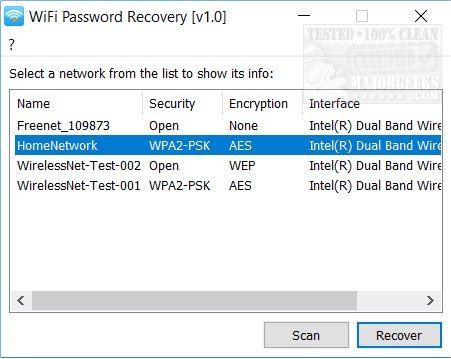
Ever been in that awkward spot where a friend asks for your WiFi password and you draw a blank? You know it’s saved on your laptop, but digging through router stickers or calling your ISP feels like too much work. This post is for anyone who has ever connected a Windows PC to a wireless network and wants to retrieve that password without installing sketchy third-party apps. By the end, you’ll be able to pull up any saved WiFi password directly from your Windows settings, Command Prompt, or PowerShell.
We’ll cover three proven methods that work on Windows 10 and 11. No admin privileges? No problem — one method works without them. I’ll also show you how to export all your saved passwords as a backup. If you’ve already tried a generic guide and got stuck, this one is written with beginners in mind, so every command and click is explained clearly. Let’s dive in.
What You’ll Need
- A Windows PC (Windows 10 or 11) that has previously connected to the WiFi network
- Administrator access (recommended for the Command Prompt method, but not always required)
- Basic familiarity with opening apps like Notepad or the Start menu
Step 1: Find Your WiFi Password via Network Settings (Easiest)
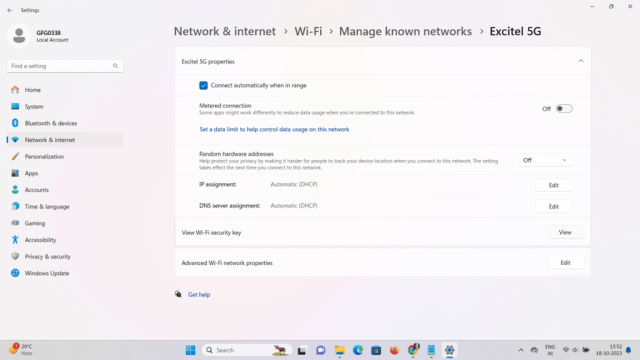
This is the most straightforward method if you’re currently connected to the network. Click the WiFi icon in the system tray (near the clock), then click “Network & Internet settings.” From there, click “Advanced network settings” > “More network adapter options.” Right-click your active WiFi adapter and choose “Status,” then click “Wireless Properties.” Switch to the “Security” tab and check “Show characters.” Voilà — your password appears in the Network security key field.

Step 2: Recover WiFi Password Using Command Prompt (All Saved Networks)
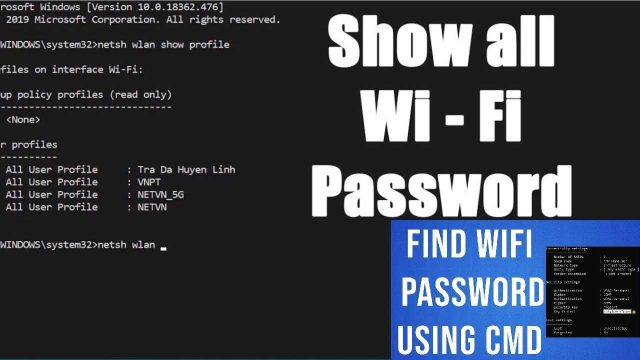
This method reveals every WiFi network your PC has saved. Open Command Prompt as administrator: press the Windows key, type “cmd,” right-click “Command Prompt,” and select “Run as administrator.” In the black window, type the following command and press Enter:
netsh wlan show profiles
Command Prompt
You’ll see a list of all saved networks. To see the password for a specific network, type:
netsh wlan show profile name=”NETWORK_NAME” key=clear
Command Prompt
Replace NETWORK_NAME with the exact SSID (e.g., “HomeWiFi”). Look for the line that says “Key Content” — that’s your password. This is the quickest way to recover a forgotten password if you have admin rights. For more advanced techniques, check out our wifi password recovery tutorial terminal.
Step 3: Use PowerShell to Export All Passwords to a File
If you need to back up multiple passwords or share them with someone, PowerShell can export everything to a text file. Right-click the Start button and select “Windows PowerShell (Admin).” Run this command:
netsh wlan show profiles | Select-String “:” | ForEach-Object { $_.ToString().Split(“:”)[1].Trim() } | ForEach-Object { netsh wlan show profile name=”$_” key=clear }
PowerShell
The output will be long, so you can pipe it to a file by adding ” | Out-File C:WiFiPasswords.txt” at the end. Then open that file with Notepad. Each network’s password is listed under “Key Content.” This method is especially useful after a system crash — our wifi password recovery after system crash guide covers restoring from such backups.
Step 4: No Admin? Use the Old Control Panel Trick
Don’t have admin access? There’s still a way if you’re currently connected. Open the Control Panel (search in Start), go to “Network and Sharing Center,” click the name of your WiFi network next to “Connections,” then click “Wireless Properties” > “Security” tab and check “Show characters.” This works exactly like Step 1 but via the classic Control Panel.

Common Pitfalls
- “Key Content” is blank or missing: This means the password hasn’t been saved persistently. Some enterprise networks or hotspots don’t store the password. If you have the router admin password, you can log into the router to see the WiFi password. For business networks, see our wifi password recovery for forgotten password guide.
- Command Prompt says “Access Denied”: You need to run Command Prompt or PowerShell as administrator. Right-click and select “Run as administrator.” If your user account doesn’t have admin rights, you’ll need to ask the IT department or use the Control Panel method while connected.
- Network name doesn’t appear in the list: The network may have been forgotten or never saved. If you’re still connected, it will show. If not, try reconnecting using the password from the router or a device that still has it saved. Our wifi password recovery free article has more tips.
Where to Next
Now you’ve got your WiFi password back, consider writing it down or storing it in a password manager. If you’re on a different device, check out our recover wifi password windows 10 guide for more specific steps, or learn how to recover passwords on other platforms like macOS and Android. Stay connected!