So your system crashed. You finally got Windows reinstalled or a new drive, but now you realize all your saved WiFi passwords are gone. That’s a major pain when you have a dozen networks to reconnect. This guide is for anyone who needs to recover those passwords after a crash — whether you have access to your old hard drive, can log into your router, or just want to be prepared next time.
By the end of this post, you’ll have a handful of reliable methods to retrieve your WiFi passwords. Some use built-in Windows tools, others use your router’s web interface. I’ll also show you how to back up passwords so you never lose them again. Let’s dive in.
What You’ll Need
- Your router’s IP address (usually 192.168.1.1 or 192.168.0.1)
- Router admin username and password (default credentials often on the router label)
- A working computer or phone to access the router’s web interface
- If you have your old hard drive, a USB adapter or enclosure to connect it to another PC
- A USB drive for backing up passwords (optional but recommended)
Step 1: Check for a Previous Backup
Before doing anything complicated, see if you backed up your WiFi passwords to a USB drive or cloud service. If you followed our guide on wifi password recovery with usb backup, you might have a file like “WiFiPasswords.txt” ready to go. Simply plug in the USB and copy the list back to your new system. If not, don’t worry — there are other ways.

Step 2: Recover from Your Router’s Web Interface
Every router stores the WiFi password in its settings. As long as your router is still configured and you know the admin login, you can pull the password in two minutes.
Open a browser on any device connected to the network (or even from your phone if you’re already on the WiFi). Type your router’s IP address into the address bar and hit Enter. Log in with the admin credentials.

Once inside, look for a section called “Wireless,” “WiFi,” or “Security.” The password will be displayed there, often as a series of dots with a “Show” checkbox. Click to reveal it, then copy it down. This is the easiest method if you have router access.
Step 3: Use Command Prompt on Your Old Drive
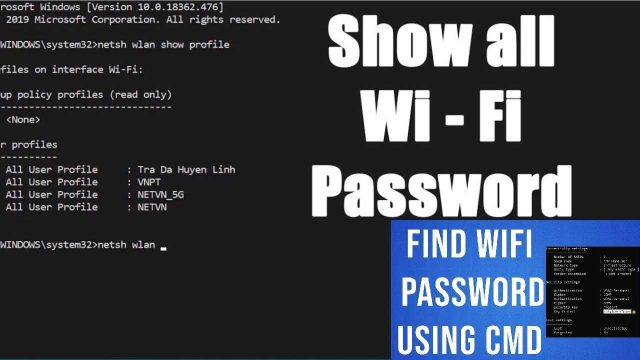
If you still have your old hard drive and it’s not encrypted, you can boot from a Windows installation USB or connect the drive to another PC and use CMD to extract saved passwords. This method uses Windows’ built-in netsh tool — it’s the same trick you’d use if the system were still running.
First, connect your old drive to a working computer. Boot from a Windows installer USB, or if it’s an external drive, you can access it from another Windows installation. Open Command Prompt as Administrator. Then run: netsh wlan show profiles. You’ll see every saved network name. For each, run: netsh wlan show profile name="YourNetwork" key=clear to see the password in plain text under “Key Content.”
This is exactly the process detailed in how to recover wifi password using cmd. Write down each password as you go.
Step 4: Use PowerShell as an Alternative
If you prefer a modern interface, PowerShell can do the same thing with a bit more flexibility. On your working system, open PowerShell as Administrator and use the command: (netsh wlan show profiles) | Select-String ":(.+)$" | %{$Name=$_.Matches.Groups[1].Value.Trim(); $_}. Then for each profile: netsh wlan show profile name="$Name" key=clear. This is essentially the same as using wifi password recovery with windows keychain, but accessed via the command line.
Step 5: Use Third-Party Tools (Open Source Preferred)
If the command line feels intimidating or you want a graphical tool, there are many free and open source options. Look for software that reads Windows’ stored credentials — just be cautious about downloading from shady sites. One trusted approach is wifi password recovery open source tools like WirelessKeyView (free but not open) or NirSoft’s utilities. Always scan with antivirus first.

These tools typically show all saved networks and passwords instantly. Run them on your old drive if possible, or on the new system if you have any leftover profile files.
Step 6: Prevent Future Headaches — Back Up Your Passwords Now
Once you’ve recovered your passwords, take five minutes to back them up. Follow a wifi password recovery maintenance guide to export your WiFi profiles. The easiest way is to use CMD: netsh wlan export profile key=clear folder=C:WiFiBackup. This creates XML files you can store on a USB drive or in the cloud. Next time your system crashes, you’ll be grateful.

Common Pitfalls
- Forgot router admin password: If you never changed the default, it’s often printed on the router sticker. If you changed it and forgot, you’ll have to reset the router to factory settings — which also clears the WiFi password. That’s a separate scenario covered in our guide on how to recover wifi password after reset.
- Old drive is encrypted: BitLocker or other encryption will block you from reading saved passwords. You’ll need the recovery key. If you don’t have it, you’re limited to the router method.
- Using unreliable third-party software: Some password recovery tools are bundled with malware. Stick to well-known options like NirSoft or open source tools recommended by the community. When in doubt, use the built-in CMD method.
Where to Next
You’ve got your passwords back? Great! Now you might want to check out our complete wifi password recovery solutions for different scenarios, or if you’re starting from scratch, our wifi password recovery for beginners guide. Also consider learning how to recover passwords on other devices — we have guides for Android, iPhone, and Linux. Stay connected and stay prepared.