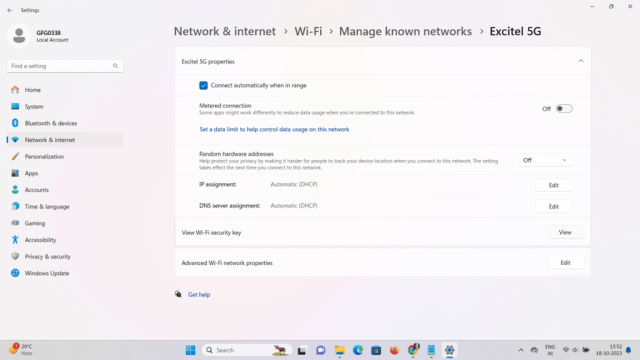
We’ve all been there: you need to connect a new device to your Wi-Fi, but you have no idea what the password is. Maybe it’s written on the router sticker, but that’s long faded. Or maybe you’re house-sitting and the owner didn’t leave the password. If you’ve ever connected a device before, the password is stored on it. This guide shows you how to grab those saved Wi-Fi passwords and back them up to a USB drive so you never get locked out again.
By the end of this tutorial, you’ll have a plain‑text file (or a secure encrypted archive) on a USB stick containing every Wi‑Fi password your computer has ever saved. Works on Windows, macOS, and Linux. No fancy software needed – just a few built‑in commands and a USB drive.
What You’ll Need
- A USB flash drive (any size, even 1 GB is fine)
- A computer running Windows, macOS, or Linux (the one that already has the saved passwords)
- Admin or sudo access on that computer
- About 10 minutes of your time
Step 1: Prepare Your USB Drive
Plug in your USB drive and make sure it’s formatted as FAT32 or exFAT – that works on all operating systems. If you’re on Windows, right‑click the drive in File Explorer, choose Format, and pick FAT32. On macOS, use Disk Utility. On Linux, you can use `mkfs.vfat`. Don’t worry if there’s already data on it; just make sure you have a few megabytes free. Label it something like “WiFi Backup” so you don’t lose it.

Step 2: Export Saved Wi‑Fi Passwords on Windows
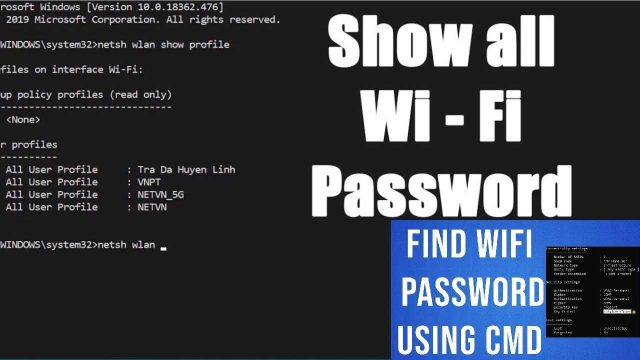
Open Command Prompt as Administrator (search for “cmd”, right‑click, Run as administrator). For a single network, you can use the CMD method to find saved WiFi password using cmd. To dump all profiles, run these commands one by one:
This creates a text file on your desktop with all SSIDs and passwords. Copy that file to your USB drive. You can also use a PowerShell tutorial that exports to CSV if you prefer a spreadsheet.
Step 3: Export Saved Wi‑Fi Passwords on macOS
Open Terminal (Applications > Utilities). The keychain stores all Wi‑Fi passwords. Run this command to find your saved network names:
But manually doing that for every network is tedious. Instead, use this one‑liner to export all Wi‑Fi passwords to a text file on your desktop:
After running, open the generated text file to verify. Then copy it to your USB drive. For a visual walkthrough, check out our Mac recovery methods guide.

Step 4: Export Saved Wi‑Fi Passwords on Linux
On most Linux desktops (Ubuntu, Fedora, etc.), saved Wi‑Fi passwords live in `/etc/NetworkManager/system-connections/`. Open a terminal and become root:
This creates a file with SSID and password pairs. Copy it to your USB drive. If you need more detail, our Linux recovery commands post covers alternative methods.

Step 5: Store It Safely
Once the text file is on your USB drive, you might want to encrypt it. Use a tool like 7‑Zip (Windows) or the built‑in Archive Utility (macOS/Linux) to create a password‑protected archive. Label the USB clearly and keep it in a safe place – not stuck to your router! For more tips on managing your network keys, see our maintenance guide.

Common Pitfalls
- **Not running as admin/sudo**: Commands will fail silently. Always run your terminal with elevated privileges.
- **USB drive formatting**: If you use NTFS on a Mac, you can’t write to it without extra software. Stick with FAT32.
- **Accidentally exposing passwords**: The text file is plain text. Anyone with access to your USB can read it. Always encrypt the file or the entire drive.
Where to Next
Now you have a portable backup of all your Wi‑Fi passwords. Next time you need to recover WiFi password using CMD or any other method, you can just plug in your USB. Want to go deeper? Learn how to automate this backup with a script, or set up a cloud sync for your keychain. The peace of mind is worth the 10 minutes you spent today.