Ever been locked out of your own WiFi network because you forgot the password? It happens to the best of us. Maybe you wrote it down somewhere but can’t find it, or you just never bothered to memorize it. Don’t worry – you’re in the right place. This guide is for absolute beginners: no fancy tools, no hacking skills, just simple steps using stuff you already have.
By the end of this tutorial, you’ll have your WiFi password back in your hands, whether you’re on Windows, macOS, or even just looking at your router. We’ll cover the easiest methods first, so you can get back online fast. Ready? Let’s dive in.
What You’ll Need
- A computer that is currently connected to your WiFi network (or has been in the past)
- Administrator access on that computer (you probably have it if it’s your personal machine)
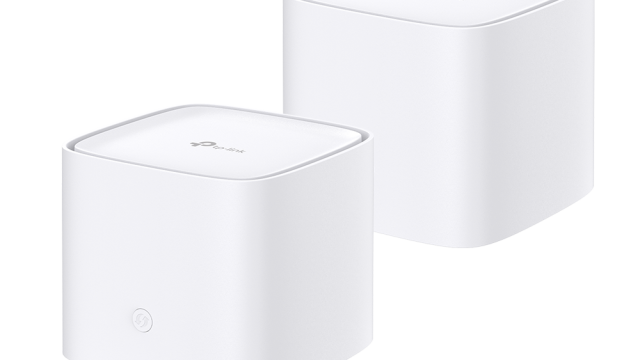
- Your router (physical access makes things easier)
- A few minutes of patience – no tech wizardry required
Step 1: Check the Router Sticker (The Quickest Way)
Most routers come with a sticker on the back or bottom that prints the default WiFi network name (SSID) and password. If you’ve never changed them, that’s your password right there. Look for a label that says something like ‘Wireless Password’ or ‘WPA Key’. If you’ve changed the password, this won’t work – but it’s always worth a shot.

Step 2: Recover Password on Windows via Network Settings
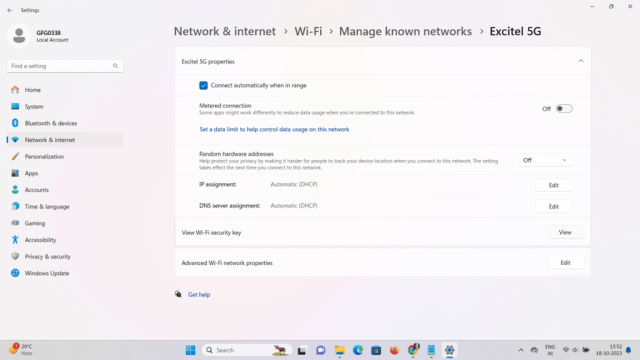
If you’re on Windows and already connected to the WiFi, you can dig up the password in a few clicks. Go to Control Panel > Network and Sharing Center > click on your WiFi network name (the blue link next to ‘Connections’). In the pop-up, click ‘Wireless Properties’, then the ‘Security’ tab, and check ‘Show characters’. Your password will appear in the ‘Network security key’ box. That’s it!

Step 3: Recover Password on Windows Using CMD (Command Prompt)
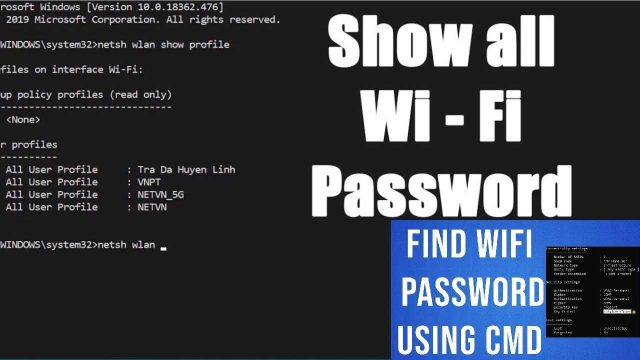
For a more technical method that works even if you’re not currently connected, open Command Prompt as administrator (search ‘cmd’ in Start, right-click and select ‘Run as administrator’). Type the following command and press Enter: netsh wlan show profiles. This lists all saved WiFi networks. To get the password for a specific network, type netsh wlan show profile name="YourNetworkName" key=clear (replace ‘YourNetworkName’ with the actual SSID). Look for ‘Key Content’ under ‘Security settings’. That’s your password.
Step 4: Recover Password on macOS Using Keychain Access
Mac users, open ‘Keychain Access’ from Applications > Utilities. In the search bar, type your WiFi network name. Double-click the result (usually ‘AirPort network password’ or similar). Check the box ‘Show password’ and enter your Mac’s admin username and password. The WiFi password will be revealed. For a detailed walkthrough on Mac, check out this wifi password recovery for macbook pro guide.

Common Pitfalls
- **Wrong network name**: If you have multiple saved networks, make sure you’re looking at the correct one. Double-check the SSID matches your router’s sticker.
- **No admin rights**: On a work or school computer, you might not be able to see the password. In that case, use the router sticker method or ask your IT admin.
- **Router reset**: If someone reset the router, the sticker password is back to default. You’ll need to log in to the router’s admin page to set a new one, or use our recover forgotten wifi password on desktop guide for after-reset scenarios.
Where to Next
Now that you’ve got your password back, consider backing it up so you never lose it again. You can use a wifi password recovery package or simply write it down in a safe place. If you ever need to recover passwords on other devices, our articles on find saved wifi password using cmd and view saved wifi password using cmd cover more advanced techniques. Happy surfing!