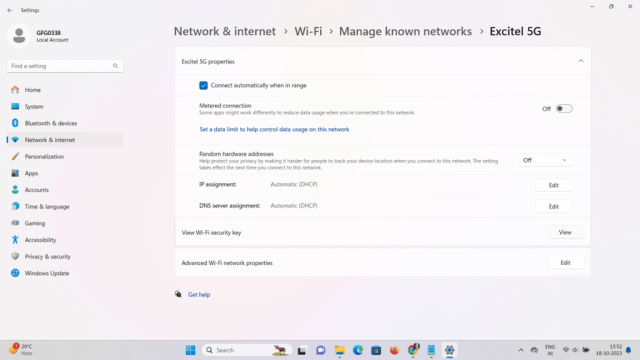
Ever stared at your router’s sticker, only to find the password has faded? Or you’re setting up a new device and can’t remember the WiFi key you typed in years ago. Don’t worry – you don’t need sketchy third-party software to recover it. Most operating systems store saved WiFi passwords, and with a few commands, you can pull them out. This guide is for anyone who has access to a computer that’s already connected to the network (or was in the past). By the end, you’ll be able to recover your WiFi password on Windows, Mac, or Linux using built-in tools.
We’ll cover the command-line methods for Windows (with both Command Prompt and PowerShell), the Keychain Access trick for macOS, and the terminal commands for Linux. No extra software, no hassle. If you’re looking for more advanced recovery options, check out our complete wifi password recovery solutions guide for third-party tools and recovery from forgotten networks.
What You’ll Need
- A computer running Windows, macOS, or Linux
- Administrator (or sudo) privileges on that computer
- The exact name (SSID) of the WiFi network whose password you want (optional, but helpful)
- Optional: A USB drive if you plan to back up your passwords (see view saved wifi password using cmd for backup tips)
Step 1: Recover WiFi Password on Windows Using Command Prompt
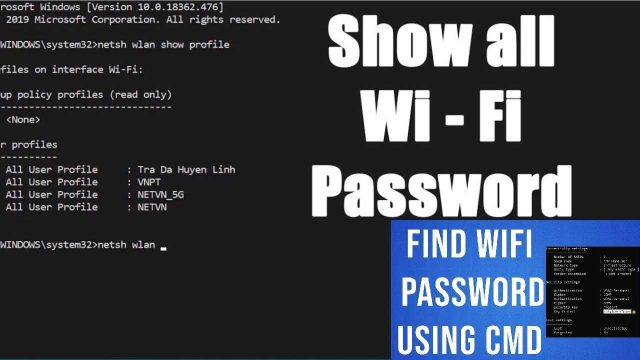
Windows stores all saved WiFi profiles in plaintext (protected by admin access). Open Command Prompt as Administrator – search for “cmd”, right-click, and select “Run as administrator”.

First, list all saved networks by typing: netsh wlan show profiles. You’ll see a list of profile names (SSIDs). Note the one you need.
Now type: netsh wlan show profile name="YourSSID" key=clear. Replace “YourSSID” with the actual network name. Look for the line labeled “Key Content” – that’s your WiFi password. This is the quickest way to find saved wifi password using cmd.
If you prefer PowerShell, you can use the same commands or a more script-friendly approach. Our wifi password recovery tutorial powershell goes into detail on exporting all passwords at once.
Step 2: Recover WiFi Password on macOS Using Keychain Access
On a Mac, open Keychain Access from the Utilities folder (or search with Spotlight). In the search bar, type the name of your WiFi network. Double-click the entry for your network.
Check the box “Show password”. You’ll be prompted for your Mac’s admin username and password. Enter those, and the WiFi password will appear in the field. This is the standard wifi password recovery for macbook pro method.
Step 3: Recover WiFi Password on Linux Using the Terminal
Linux stores WiFi passwords in a plaintext configuration file (usually under /etc/NetworkManager/system-connections/). Open a terminal and run: sudo grep -r 'psk=' /etc/NetworkManager/system-connections/. This will show the password for each saved network. For a cleaner output, use: sudo grep -h 'psk=' /etc/NetworkManager/system-connections/*.nmconnection.

Alternatively, you can view the file directly: sudo cat /etc/NetworkManager/system-connections/YourSSID.nmconnection. Look for the line starting with ‘psk=’. This is the core of our wifi password recovery tutorial linux.
Common Pitfalls
- Not running as admin: On Windows, if you don’t run Command Prompt as Administrator, the netsh command will fail. Always right-click and select “Run as administrator”.
- Wrong network name (SSID): The profile name is case-sensitive and must match exactly. Use the output from ‘netsh wlan show profiles’ to copy-paste the correct name.
- Password stored only on a device that no longer connects: If the device hasn’t connected recently, the profile might be deleted. In that case, you may need to recover from a backup or use a different method.
A final word of caution: these passwords are stored in plaintext on your system. Anyone with admin access can see them. Always protect your computer with a strong admin password and consider encrypting your hard drive. For regular maintenance and secure backups, check out our wifi password recovery maintenance guide.
Where to Next?
Now that you’ve recovered your password, don’t lose it again! You can backup all saved WiFi passwords to a USB drive using the commands above. For Windows, redirect netsh output to a file. For Mac, export your keychain. For more advanced recovery scenarios (like after a router reset or for public hotspots), explore our how to recover wifi password after reset and wifi password recovery for public hotspots guides.