Ever been in that awkward spot where a friend asks for your WiFi password and you draw a blank? Or maybe you’re setting up a new device and need the password you entered months ago. If you’re on a Mac, you’re in luck—Apple stores every WiFi network you’ve joined in a secure database called the Keychain. In this guide, I’ll show you three ways to recover that forgotten WiFi password: using the Keychain Access app, the Terminal, and a third-party recovery tool. By the end, you’ll be able to pull up any saved password in under a minute. This is perfect for anyone who’s not super techy—just follow the steps.
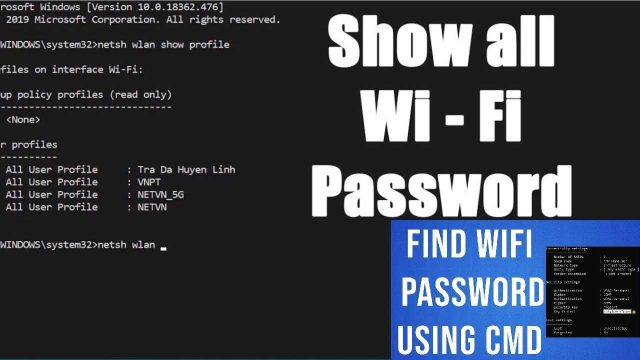
I’ll also share a few tips on how to avoid losing passwords in the future, like how to backup your WiFi passwords on Mac. And if you’re curious about other platforms, I’ve also covered recovering WiFi passwords on Windows 10 and free WiFi password recovery methods. Let’s dive in!
What You’ll Need
- A Mac running macOS 10.10 or later (most modern Macs are fine)
- The name of the WiFi network (SSID) you want the password for
- Admin access to your Mac (you’ll need to enter your Mac’s login password)
- Optional: A safe WiFi password recovery app if you prefer a graphical tool
That’s it! No special hardware or software required. Let’s get started.
Step 1: Recover WiFi Password Using Keychain Access
The easiest method for most people is using the built-in Keychain Access app. It’s like a password vault for your whole Mac. Here’s how to find your WiFi password there:
- Open Keychain Access. You can find it by going to Applications > Utilities > Keychain Access, or just use Spotlight (Cmd+Space) and type ‘Keychain Access’.
- In the search bar at the top-right, type the name of your WiFi network (e.g., ‘HomeNetwork’).
- Double-click the entry that appears. It should have a small lock icon and the word ‘AirPort’ or ‘Wi-Fi’ in the kind column.
- A new window pops up. Check the box that says ‘Show password’.
- You’ll be prompted to enter your Mac’s admin username and password. Do that, then click Allow.
- Voilà! Your WiFi password appears in the text field. Write it down or copy it.
This method works for any network your Mac has ever connected to. It’s especially handy for home WiFi password recovery because the password stays saved forever (unless you manually delete it).
Step 2: Recover WiFi Password Using Terminal

If you’re comfortable with a little text-based action, the Terminal gives you a quick way to grab the password without clicking through windows. This is essentially a Terminal-based password recovery method—it’s fast and geeky. Follow these steps:
- Open Terminal from Applications > Utilities > Terminal, or via Spotlight.
- Type the following command (replace ‘YourNetworkName’ with the exact SSID of your WiFi): security find-generic-password -wa ‘YourNetworkName’
- Press Enter. You’ll be asked for your Mac’s login password. Type it (you won’t see any characters—that’s normal) and press Enter.
- The WiFi password appears on the next line. Copy it and save it somewhere safe.
Pro tip: If you’re managing multiple networks, you can list all saved WiFi passwords by using a slightly different command. But for a single network, this is all you need.
Step 3: Recover WiFi Password Using a Third-Party App

If you prefer a more visual approach or need to recover passwords in bulk, a third-party tool can be useful. Just make sure you choose a safe WiFi password recovery app—stick with reputable developers to avoid malware. Here’s the general process:
- Download a trusted app (I recommend checking reviews on MacUpdate or the App Store).
- Open the app and grant it permissions to access your Keychain (you’ll get a prompt).
- The app will display a list of all saved WiFi networks. Select the one you need.
- Click ‘Show Password’ or similar; you may need to enter your admin password once more.
- Copy the password and store it securely.
Some apps even allow you to export all passwords for backup. That’s a great way to prevent future lockouts. And if you ever switch to a different platform, you can use similar methods for recovering WiFi passwords on Windows 10.
Common Pitfalls
- Network name not found: Make sure you’re typing the SSID exactly as it appears, including uppercase/lowercase letters and any special characters. If you don’t see it in Keychain, you may have never connected to that network on that particular Mac.
- Password prompt keeps appearing: This happens if your Mac’s login password is different from your iCloud password or if you have multiple accounts. Use the admin account that originally saved the WiFi password.
- Terminal command fails: If you see ‘could not be found in keychain’, try enclosing the SSID in double quotes. For example: security find-generic-password -wa “My WiFi”. Also, ensure you have no typos.
Where to Next?
Now that you’ve recovered your WiFi password, why not take a few minutes to save it somewhere safe? You could write it down in a password manager or even physically on a sticky note—just keep it out of sight. If you want to automate backups, check out our guide on how to backup your WiFi passwords on Mac. And if you ever lose access to your main computer, don’t worry—there are free WiFi password recovery methods for other devices too, like for Android or Windows. Stay connected!