You’ve got guests over, someone asks for the WiFi password, and… blank. You scribbled it on a sticky note that’s long gone. Don’t worry—if you have physical access to your router (or even a device already connected), you can dig up that password in minutes. This guide is for anyone who needs to recover their WiFi password directly from the router’s settings. By the end, you’ll have your network key on a sticky note again—or at least saved in your phone.
No fancy tools required—just a browser and maybe a paperclip. We’ll walk through finding your router’s IP, logging in, and locating the password. If you’re on Windows, you can also quickly view saved wifi password windows as an alternative. But if you want the master source, let’s start with the router.
What You’ll Need
- A computer or phone connected to your WiFi (or an Ethernet cable)
- A web browser (Chrome, Edge, Safari—any works)
- The router’s admin username and password (check the sticker on the router or the manual)
- A paperclip or pin (only if you need to reset the router)
Step 1: Find Your Router’s IP Address
First, you need the gateway address to access the router’s admin panel. On Windows, open Command Prompt and type ipconfig. Look for “Default Gateway” under your active network adapter—it’s usually something like 192.168.1.1 or 192.168.0.1. On Mac, go to System Settings > Network > Wi-Fi > Details and find the Router line. On a phone, check the network details in Settings (the exact path varies). Alternatively, flip your router over—many have a sticker with the default IP.

Step 2: Log Into Your Router’s Admin Panel
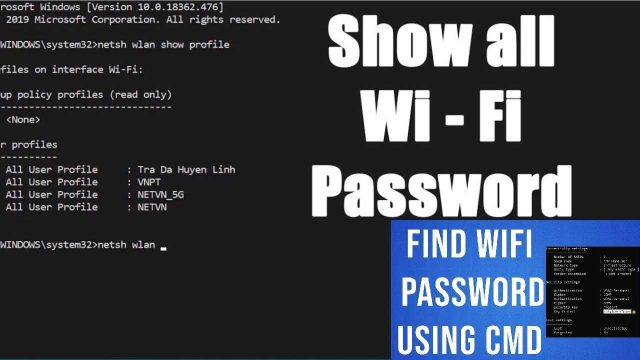
Open your browser and type the IP address into the address bar. Press Enter. You’ll see a login page. Enter the router’s admin username and password. Common defaults are admin / admin or admin / password—check the sticker if you’ve never changed them. If you’ve changed them and forgotten, you’ll need to reset the router (Step 5). If you’re on Windows and can’t get in, you can try a quicker method: show wifi password command prompt to grab the password from a connected PC.

Step 3: Navigate to Wireless Settings
Once logged in, look for a section called Wireless, Wi-Fi, or Setup. The exact name varies by router brand (TP-Link, Netgear, Linksys, etc.). On many routers, it’s under “Wireless” or “Wi-Fi & Network.” If you have a Linksys router, you can follow our dedicated guide to recover wifi password from linksys router. Inside, look for a sub-tab like “Wireless Security” or “Security.”

Step 4: Find the WiFi Password
In the Wireless Security section, you’ll see a field labeled “Pre-Shared Key,” “Passphrase,” or “Network Key.” That’s your WiFi password. By default, it’s often hidden with dots—look for a “show password” checkbox or an eye icon. Click it to reveal the text. Write it down or take a photo. If the field is grayed out, you might need to change a setting to edit it (but you can still reveal the current value). For a more general approach, refer to this wifi password recovery step by step guide that covers multiple methods.

Step 5: Reset the Router (If You Can’t Log In)
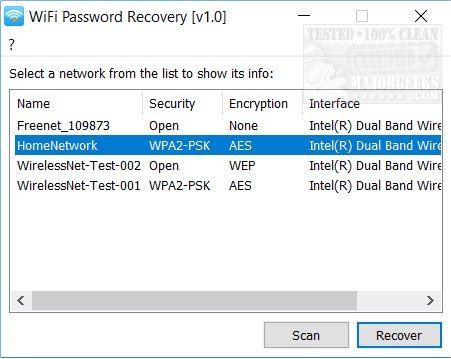
If you’ve forgotten the admin password and can’t get in, don’t panic. Most routers have a physical reset button. Use a paperclip or pin to press and hold the recessed button for about 10–30 seconds (until the lights blink). This restores factory defaults. Then log in with the default credentials from the sticker. Note: This also resets your WiFi password to the default printed on the sticker. If you had a custom password, you’ll lose it—but you can set a new one. On Windows, you might also try a forgotten wifi password recovery windows method that can pull the password from a connected PC before you reset.

Common Pitfalls
- Wrong IP address: Not all routers use 192.168.1.1. Try 192.168.0.1, 10.0.0.1, or check your device’s network settings for the default gateway. On Windows, you can use ipconfig or find saved wifi password windows to skip the router entirely.
- Forgot router admin password: If you never changed it, check the sticker. If you did and it’s lost, the reset button is your only way in. Just remember that resets the whole router.
- Password field hidden or grayed out: Some routers hide the key field until you enable a checkbox like “Show password.” Others require you to click a pencil icon to edit—but even then the current password is often displayed.
Where to Next
Now that you’ve recovered your WiFi password, consider writing it down somewhere safe (or using a password manager). If you want other recovery methods, check out our guide on view saved wifi password windows for a software-free Windows trick, or the show wifi password command prompt method for a quick command-line approach. For brand-specific help, the recover wifi password from linksys router guide has you covered. And if you ever need a full walkthrough, the wifi password recovery step by step article combines all techniques.