Ever had a friend come over and ask for your WiFi password, but you can’t remember it? Or maybe you set up a network years ago and the password is buried in your router’s sticker. Don’t worry — Windows keeps all your saved WiFi passwords safe and sound, and retrieving them is easier than you think. This guide is for anyone using Windows 10 or 11 who wants to view saved WiFi passwords without any third-party software. By the end, you’ll be able to pull up any password you’ve connected to in minutes using just the built-in tools.
Whether you need to share the password with a guest or just want to back it up, we’ve got you covered. We’ll walk through three methods: the graphical Network & Internet settings, the trusty Command Prompt, and optionally PowerShell. No technical skills required — just follow along step by step. Let’s get started!
What You’ll Need
- A Windows PC (Windows 10 or 11) that has connected to the WiFi network before.
- Administrator access to your PC (you’ll need to log in with an admin account for some methods).
- The name (SSID) of the WiFi network whose password you want to view.
Step 1: View Password via Network Settings (GUI Method)
This is the easiest method if you’re not comfortable with the command line. It uses the Windows Settings app and works on both Windows 10 and 11.

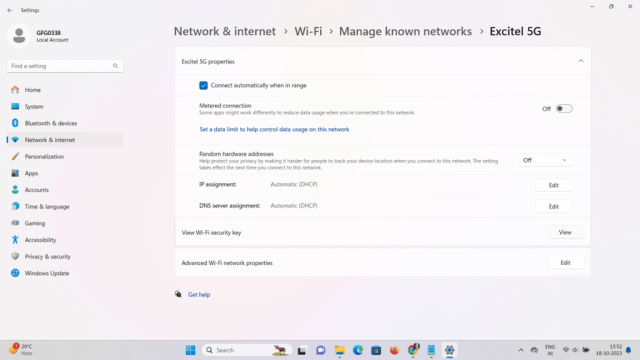
First, click the Start button and go to Settings (the gear icon). Then navigate to Network & Internet. On the left sidebar, click Status (Windows 10) or open the Advanced network settings (Windows 11) and select More network adapter options. In the classic Control Panel window that opens, right-click your active WiFi adapter and choose Status. In the WiFi Status window, click Wireless Properties. Finally, go to the Security tab and check the box next to ‘Show characters’. Your WiFi password will appear in the Network security key field.
Step 2: View Password Using Command Prompt (Netsh)
If you prefer a faster method or need to view passwords for multiple networks, the Command Prompt with the netsh command is your friend. This method is also great for scripting and automation.

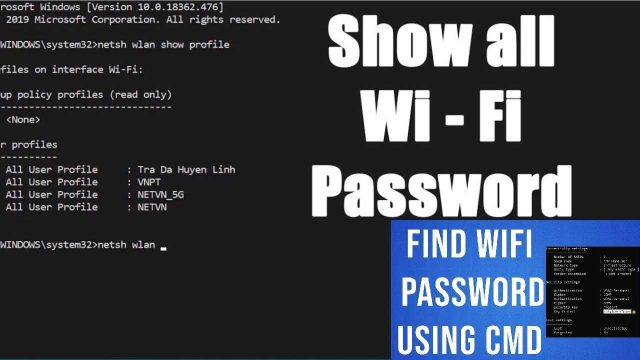
Press the Windows key, type ‘cmd’, right-click Command Prompt, and select ‘Run as administrator’. In the black window, type the following command and press Enter: netsh wlan show profile. This lists all saved WiFi profiles on your PC. Find the network name (SSID) you want the password for. Then type: netsh wlan show profile name="YourNetworkName" key=clear (replace YourNetworkName with the actual SSID). Look for the line labeled ‘Key Content’ under ‘Security settings’. That’s your WiFi password! If you want a clean summary of all passwords at once, you can use a script, but for a single network this works perfectly.
Step 3: View Password Using PowerShell (Alternative)
PowerShell gives you even more flexibility. If you’re already comfortable with it, this method is just as easy.

Open PowerShell as Administrator (right-click Start and select Windows PowerShell (Admin) or Terminal (Admin)). Run the same netsh commands: netsh wlan show profile to list profiles, then netsh wlan show profile name="YourNetworkName" key=clear. The output is the same. Alternatively, you can use PowerShell’s own cmdlets like Get-WifiProfile if you have the WiFi module, but netsh works across all versions.
Common Pitfalls
- You must run Command Prompt or PowerShell as Administrator. Without admin rights, the ‘key=clear’ parameter won’t display the password — you’ll just see ‘Key Content’ blank.
- The network name (SSID) is case-sensitive. If you type ‘HomeWiFi’ but the actual profile is ‘homewifi’, the command will return an error. Double-check the exact name from the profile list.
- These methods only show passwords for networks your PC has connected to and saved. If you’ve never connected to the network, or if the profile was deleted, you won’t see it. In that case, you’ll need to recover the password from the router itself.
Where to Next
Now that you’ve mastered viewing saved WiFi passwords on Windows, you might want to explore other recovery scenarios. Check out our guide on how to show wifi password command prompt for a deeper dive into netsh, or learn how to find saved wifi password windows if you prefer the GUI. If you need to access passwords from another PC, our wifi password recovery from pc article covers that. For older Windows versions, see our forgotten wifi password recovery windows guide. And if you want to recover passwords using just the netsh command, we have a dedicated wifi password recovery with netsh command tutorial. Happy networking!