If you’ve ever tried connecting a new device to your home WiFi only to realize you’ve forgotten the password, you’re not alone. It happens to the best of us. This guide is for anyone who owns an iPad and needs to retrieve a saved WiFi password—whether it’s your home network, a friend’s, or a public hotspot you’ve used before. By the end, you’ll have the password in hand without needing any third-party software.
We’ll cover four reliable methods: viewing the password directly in iPadOS settings, using the dedicated Passwords section, leveraging iCloud Keychain on a Mac, and finally checking your router’s admin panel. Each method is straightforward and uses tools you already have. Let’s dive in.
What You’ll Need
- Your iPad (with the WiFi network saved in its memory)
- The network name (SSID) you want the password for
- Optional: A Mac signed into the same Apple ID for iCloud Keychain method
- Optional: Access to your router’s admin interface (usually via a web browser)
Step 1: View Password in Wi-Fi Settings

This is the quickest method on modern iPads running iPadOS 16 or later. Start by opening the Settings app and tapping ‘Wi-Fi’. Find the network you’re connected to (or have saved) and tap the blue ‘i’ icon next to it. You’ll see a field labeled ‘Password’ – it will be hidden by default. Tap the password field, and your iPad will prompt you to authenticate with Face ID, Touch ID, or your device passcode. Once verified, the password is revealed. You can even copy it to the clipboard with the ‘Copy’ button that appears.
Step 2: Use the Passwords Section in Settings

If the network isn’t currently connected or the Wi-Fi trick didn’t work, head to Settings > Passwords. Authenticate with Face ID or passcode. In the search bar, type the network name (e.g., ‘HomeWiFi’). Tap the matching entry – it will show the password under ‘Wi-Fi Password’. This method works for any saved network, even ones you’re not currently connected to. It’s similar to how you can show WiFi password on iPhone, and the same principle applies across Apple devices.
Step 3: Recover via iCloud Keychain on a Mac

If you have a Mac signed into the same Apple ID with iCloud Keychain enabled, you can view all passwords synced from your iPad. Open the ‘Keychain Access’ app on your Mac (found in Applications > Utilities). In the search box, type the WiFi network name. Double-click the result and check ‘Show password’. You’ll need your Mac’s admin password. This method is essentially how to recover WiFi password on iMac, and it works flawlessly for any network your iPad has saved.
Step 4: Check Your Router’s Admin Panel

When all else fails, the password is right there in your router. Open a web browser on any device connected to the network (or use an Ethernet cable) and enter your router’s IP address (usually 192.168.0.1 or 192.168.1.1). Log in with the admin credentials (check the sticker on the router if you never changed them). Navigate to the Wireless or Wi-Fi section. Look for ‘Wireless Security’ or ‘Pre-Shared Key’ – that’s your password. This method lets you recover your WiFi password from your router even if no device has it saved.
Common Pitfalls
- **Forgot router admin password**: If you changed the router login and don’t remember it, you’ll have to factory reset the router. This erases all custom settings, so only do this as a last resort.
- **iCloud Keychain not syncing**: Make sure your iPad and Mac are on the same Apple ID and that iCloud Keychain is enabled on both. Sometimes a manual sync (Settings > [Your Name] > iCloud > Keychain) helps.
- **Wi-Fi network not saved**: If you never saved the password on any device (e.g., you joined via a QR code or used a guest network), there’s nothing to recover. You’ll need to ask the network owner or check the router.
Where to Next
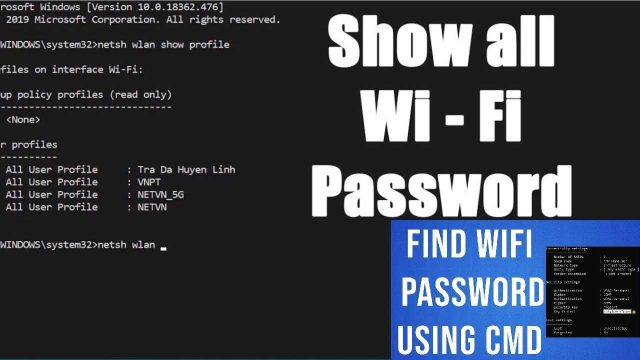
Now that you’ve recovered your WiFi password, consider backing it up. You can export WiFi passwords to a text file from a Mac using Terminal, or keep a record in a password manager. Also, remember that WiFi password recovery without deleting profiles is possible – you don’t need to forget the network to see the password again. For more tips, explore our other networking guides.