Have you ever needed to connect a new device to your home WiFi but totally blanked on the password? Or maybe a friend asks for the WiFi at your place, and you can’t find it anywhere. If you’re using a Samsung Galaxy phone, you’re in luck — there’s a simple way to recover saved WiFi passwords using a dedicated app. This guide is for Samsung users who want a quick, no-hassle way to view or share those forgotten passwords without digging through router settings.
By the end of this tutorial, you’ll have a working WiFi password recovery app on your Samsung phone that can display any saved network password. You’ll also learn how to export them for safekeeping. No root required, no complex commands — just a straightforward app and a few taps.
What You’ll Need
- A Samsung Galaxy phone running Android 7.0 or later
- A USB cable (optional, for PC method)
- A computer (only if you choose the ADB method)
- A WiFi password recovery app (we’ll show you the best ones)
- Patience and about 10 minutes
Step 1: Enable Developer Options and USB Debugging
Most WiFi password recovery apps for Android need special permissions. To grant them, we must first enable Developer Options. Go to Settings > About Phone > Software Information, then tap Build Number seven times until you see ‘You are now a developer’. Now go back to Settings > Developer Options and turn on USB Debugging. This allows the app to access system network data.

If you’re using a PC-free method, you might skip USB Debugging, but many reliable apps still require it. Don’t worry — it’s safe as long as you only connect to trusted computers.
Step 2: Choose and Install a WiFi Password Recovery App
Head to the Google Play Store and search for ‘WiFi password recovery’. You’ll see several options. We recommend apps like ‘WiFi Password Viewer’ or ‘WiFi Key Recovery’ — both are lightweight and don’t need root. Read the ratings and pick one with good recent reviews. Download and install it on your Samsung.

Alternatively, you can sideload an APK from a trusted source — check out our guide on using a wifi password recovery app offline for more on that. If you prefer a tool with extra features, wireless password recovery software often includes export options.
Step 3: Grant the Necessary Permissions
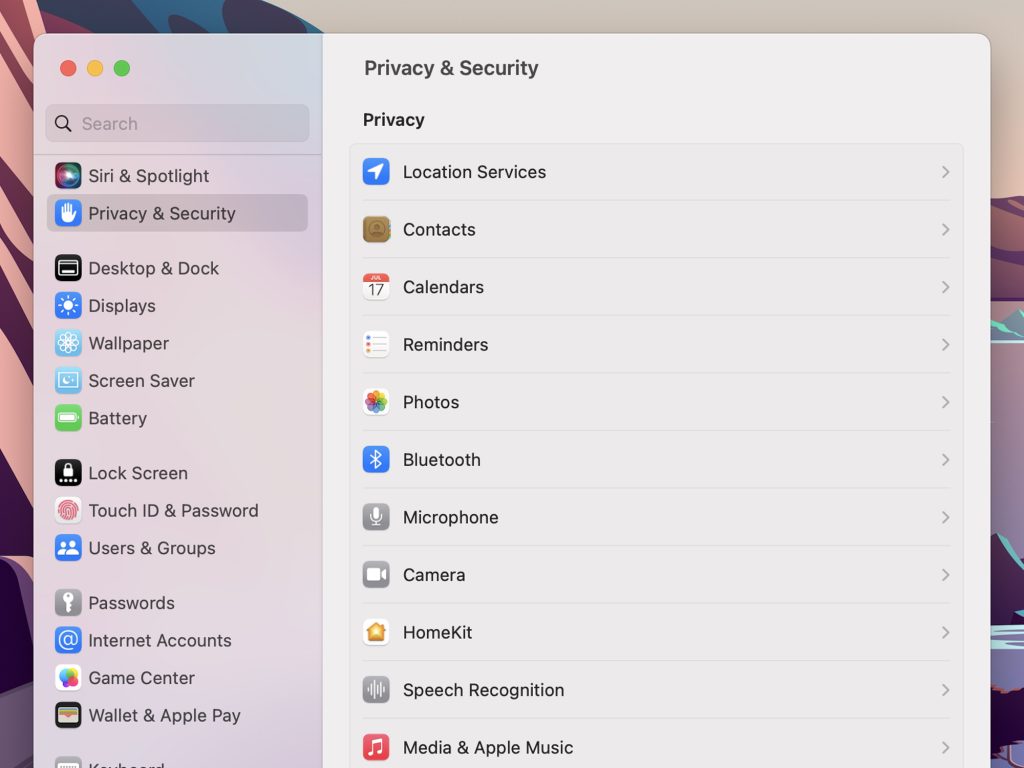
Open the installed app. It will likely ask for ‘Usage Access’ or ‘Notification Access’ to read network information. Follow the on-screen prompts to grant these permissions. For example, on Samsung, go to Settings > Apps > Special Access > Usage Access and toggle on the app. You may also need to allow ‘Draw over other apps’ for some recovery tools.
Some apps work via ADB (Android Debug Bridge) — if you chose one that uses that method, connect your phone to a computer, open a command prompt, and run ‘adb backup -f backup.ab com.example.app’ then restore with the app. But for most users, the permission-based method is simpler.
Step 4: View Your Saved WiFi Passwords
Once permissions are granted, the app will scan your saved networks. Tap on any network name to reveal the password. You’ll see a list of all WiFi networks your Samsung has ever connected to, with passwords displayed in plain text. Take a screenshot or write it down.

This method allows wifi password recovery without deleting profiles — your saved networks stay intact. If you want to share the password with someone, you can also generate a QR code from many apps.
Step 5: Export Your WiFi Passwords (Optional)
To keep a backup, use the app’s export feature. Most recovery apps allow you to export all passwords to a text file or CSV. Tap the export button, choose a location (like Downloads), and save the file. You can then email it to yourself or store it in a secure cloud. For a detailed walkthrough, see our article on how to export wifi passwords to text file.

Exporting is a lifesaver if you factory reset your phone or switch to a new device. Just remember to keep the file safe — it contains sensitive info.
Common Pitfalls
- App doesn’t show passwords: Some Samsung models have extra security layers. Try a different app or enable ‘View hidden files’ in your file manager.
- Permissions stuck in a loop: If tapping ‘Allow’ does nothing, go to Settings > Apps > [App Name] > Permissions and manually enable everything.
- ADB backup fails: Make sure you have the latest Samsung USB drivers and that your phone screen is unlocked during the backup command.
Where to Next
Now you’ve got your WiFi passwords back in your hands. Next, consider learning how to recover passwords from your router directly — that’s handy for networks you haven’t saved on your phone. Or, if you’re helping a friend on Windows, check out our guides for password recovery on PC. Happy connecting!