We’ve all been there: a friend asks for the WiFi password, and you realize you saved it ages ago and have no idea what it is. Maybe you just got a new phone and need to reconnect to your home network, or you want to set up another device but can’t find the sticker on the router. Whatever the reason, if you’re on Android and need to dig up a saved WiFi password without rooting your phone, a WiFi password recovery app is your best bet. In this guide, I’ll walk you through exactly how to use one of these apps to view your saved networks—no tech degree required.
By the end, you’ll have the password copied to your clipboard or written down, ready to share. We’ll cover the most popular recovery app (WiFi Password Recovery by SimoneDev), plus a few alternatives. I’ll also point out common hiccups so you don’t get stuck. Let’s get started.
What You’ll Need
- An Android phone or tablet (Android 4.0 or higher, but newer is better)
- The WiFi network you want the password for must have been connected to before on this device
- A WiFi password recovery app (I recommend WiFi Password Recovery by SimoneDev, but others like WiFi Password Viewer work too)
- Optional: a text file or note app to save the password
- Optional: a computer if you want to recover WiFi password from your router as a backup
Note: Most recovery apps work by accessing the system file where Android stores saved WiFi credentials (wpa_supplicant.conf). On newer Android versions (10+), direct access without root can be tricky, but the app I’ll show you uses a workaround via the system’s WiFi settings export feature. Stick with me.
Step 1: Install a WiFi Password Recovery App

Head to the Google Play Store and search for “WiFi Password Recovery” by SimoneDev. It’s free with ads and has a solid rating. Alternatively, if you prefer a WiFi password recovery app offline that doesn’t need internet, look for “WiFi Password Viewer” (it works offline). Download and install your chosen app. Don’t worry about permissions yet—we’ll handle that in the next step.
Step 2: Grant Required Permissions
Open the app. On Android 6.0+, it will ask for Location permission. This is necessary because Android requires location access to scan for WiFi networks (even if you’re just reading saved ones). Tap “Allow” or “While using the app.” If you’re on Android 10+, you might also need to grant “Nearby devices” permission. The app will prompt you. Without these permissions, it cannot read the saved WiFi list.
Step 3: View Your Saved WiFi Networks
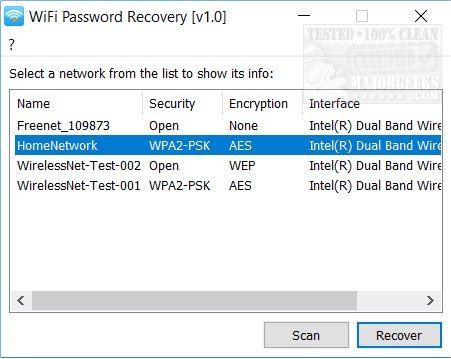
After granting permissions, the app will display a list of all WiFi networks your phone has ever connected to. Each entry shows the network name (SSID) and the password (in plain text). Simply tap on a network to copy the password to your clipboard or share it. If you want to export WiFi passwords to a text file, look for a share or export button—some apps let you save the whole list.
On some Samsung devices, the process might differ slightly. Check out our guide on WiFi password recovery app for Samsung if you have a Galaxy phone.
Step 4: Alternative Method for Android 10+ (If App Fails)
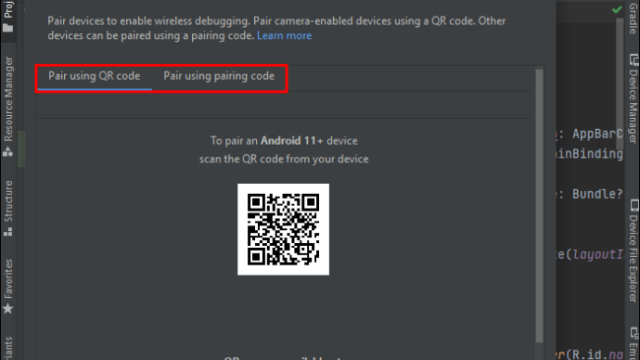
If the app doesn’t work on your device (common on Android 11+ with stricter security), you can still recover the password via system settings. Go to Settings > Network & Internet > WiFi. Tap the saved network you’re connected to. There will be a “Share” button or QR code icon. Tap it, and you’ll see a QR code. Underneath, the password may be displayed, or you can screenshot the QR and use a QR scanner. This method requires you to be connected to the network.
For networks you’re not currently connected to, this doesn’t work. In that case, try a dedicated WiFi password recovery app offline that might have a different workaround, or consider using a backup from your router.
Common Pitfalls
- App says “No networks found” — Make sure you’ve granted Location and Nearby devices permissions. Also, ensure you’ve actually connected to a network before; the app can’t see networks you’ve never saved.
- Password shows as dots or stars — Some apps hide the password behind a tap-to-reveal button. Look for an eye icon. If that doesn’t work, try a different app.
- Android 12+ blocks the app entirely — Google tightened security. In this case, the system settings QR method is your only option. You can also try ADB commands if you’re comfortable with a computer.
If you hit a wall, don’t forget you can always recover WiFi password from your router by checking the admin panel or the sticker on the back. That method works for any device.
Where to Next?
Now that you’ve got your password, consider saving it somewhere safe. You could export WiFi passwords to a text file and store it in a locked note. If you’re managing multiple networks, check out our professional guide on the WiFi password recovery process for professionals. And if you ever need to recover a password on another platform, we’ve got guides for Windows, macOS, and Linux too.