So you forgot the WiFi password, and you don’t have admin access to the router? No worries. If you’ve got any device that’s already connected to the network, you can pull that password out in seconds — no login required. This guide covers Windows, Mac, Linux, and Android, using only built-in tools. By the end, you’ll have the password on your phone or printed out, and you’ll never beg your roommate for the ‘WiFi code’ again.
Whether you’re a beginner who just wants to connect a new gadget or someone who’s locked out of the router settings, these methods work. We’ll walk through each OS step by step. If you prefer a more general walkthrough, check out our wifi password recovery step-by-step guide. Ready? Let’s dig in.
What You’ll Need
- A Windows, Mac, Linux computer, or Android device that is currently connected to the WiFi network (or was connected in the past and still has the profile saved).
- Basic comfort using the command line (for Windows, Mac, and Linux — don’t worry, we’ll give you the exact commands).
- For Android: a phone running Android 10 or later (QR code method) or a rooted device (for older OS versions).
- Optional: a pen and paper to write down the password once you find it.

Step 1: Recover WiFi Password on Windows
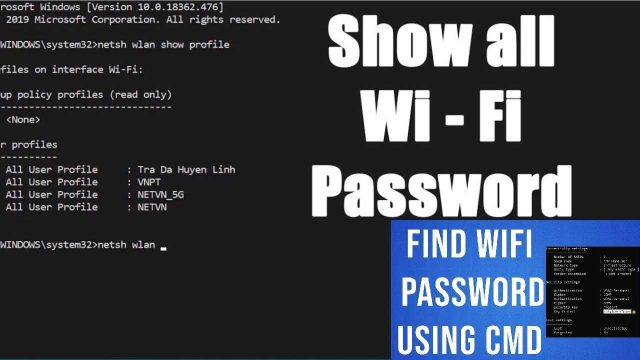
Windows stores every WiFi profile with its password. To retrieve it, open Command Prompt as Administrator (right‑click Start → Command Prompt (Admin) or Windows Terminal (Admin)). Then run this command to list all saved networks:
netsh wlan show profiles
Find your network name (SSID) from the list. Now run this command, replacing with your network name (include quotes if it has spaces):
netsh wlan show profile name=”” key=clear
Look for the line labeled “Key Content” — that’s your WiFi password. For a more visual approach, you can also use the Network & Internet Settings → Status → Network and Sharing Center → click on the WiFi network → Wireless Properties → Security tab → show characters. But the command line is faster. If you need a deeper dive, our Windows wifi password recovery guide has you covered.

Step 2: Recover WiFi Password on macOS
On a Mac, the Keychain Access app stores all saved passwords. Open Utilities → Keychain Access (or search with Cmd+Space). In the top‑left corner, make sure “System” and “Passwords” are selected. Type your network name (SSID) into the search bar. Double‑click the network entry, then check the box “Show password”. You’ll need to enter your Mac login password to reveal it. Alternatively, use Terminal for a faster method:
Open Terminal and paste this command, replacing with your network name:
security find-generic-password -wa
It will prompt for your Mac password (this is the login password, not the WiFi one). After you type it, the WiFi password prints out on the next line. That’s it. You can also use this to view saved wifi password using terminal for multiple networks.

Step 3: Recover WiFi Password on Linux
Linux stores WiFi passwords in plain text inside configuration files (usually under /etc/NetworkManager/system-connections/). Open a terminal and run this command to list saved connections:
nmcli connection show
Find your network name (UUID). Then, to view the password for a specific connection, run:
nmcli connection show | grep 802-11-wireless-security.psk
If that doesn’t work (older systems), you can directly cat the configuration file. Replace with your network name (no spaces? sometimes it’s the UUID):
sudo cat /etc/NetworkManager/system-connections/ | grep psk=
The password appears after psk=. This method requires sudo, so you need admin rights on the machine. For a more detailed explanation, read our guide on how to view saved wifi password on Linux.

Step 4: Recover WiFi Password on Android
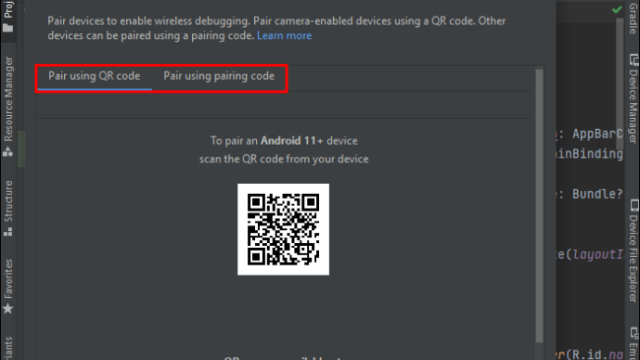
On Android 10 and above, you can generate a QR code that reveals the password. Go to Settings → Network & Internet → WiFi → tap the gear icon next to your connected network → tap Share (or QR code icon). You may be prompted to verify your lock screen PIN or pattern. The QR code appears on screen. Scan it with another device, or look underneath the code — many Android phones show the password in clear text below the QR. If you don’t have a QR option (Android 9 or lower), you’ll likely need root access to read the wpa_supplicant.conf file. An alternative is to use a backup: if you’ve previously backed up your settings, you can restore the WiFi passwords. Learn how to backup your WiFi passwords before an upgrade to avoid this hassle in the future.

Common Pitfalls
- Not running Command Prompt as Administrator on Windows — you’ll get “Access Denied” errors. Always right‑click and run as admin.
- On macOS, if the password field is grayed out, you might need to unlock the Keychain first. Click the lock icon at the top of Keychain Access and enter your Mac password.
- On Linux, some distributions use wpa_supplicant directly instead of NetworkManager. Try checking /etc/wpa_supplicant/wpa_supplicant.conf for passwords (may need root).
Where to Next
You’ve now got your WiFi password without logging into the router. Next, consider exporting your saved profiles as a backup so you never lose them again. Check out our guide on how to export WiFi profiles using command. And if you ever need to recover passwords on other devices — like iPhone or Huawei — we’ve got tutorials for that too. The wifi password recovery process for beginners is simpler than you think. Happy surfing!