Ever walked into a friend’s house, pulled out your phone, and realized you’ve totally blanked on your own WiFi password? Or maybe you just got a new device and the sticker on the router has faded beyond recognition. Don’t worry — you don’t need to call your ISP or reset the whole network. The password is still sitting in your router’s settings, just waiting to be uncovered. This guide is for anyone who has physical access to their router (or admin credentials) and wants to recover the WiFi password without any third-party apps.
By the end of these five steps, you’ll have the password in hand — either copied down or saved safely. The process works on almost any router brand (TP-Link, Netgear, Asus, Linksys, etc.) and takes less than five minutes. No technical expertise required, just a browser and a tiny bit of patience. Let’s dive in.
What You’ll Need
- Your router (plugged in and working)
- A computer or phone connected to the same WiFi network (or an Ethernet cable to connect directly)
- A web browser (Chrome, Firefox, Safari, Edge — any will do)
- Router admin credentials (default username and password are often printed on the router label; otherwise, check the manual or common defaults like admin/admin or admin/password)
Step 1: Find Your Router’s IP Address
To access the router’s admin panel, you need its IP address — usually something like 192.168.1.1 or 192.168.0.1. If you’re already connected to the network, here’s how to find it:
- On Windows: Open Command Prompt and type
ipconfig. Look for the ‘Default Gateway’ entry under your active connection. That’s your router IP. - On macOS: Go to System Preferences > Network, select your connection, and click ‘Advanced’. Go to the TCP/IP tab; the ‘Router’ line is your IP.
- On Android: Go to Settings > WiFi, tap your network, and look for ‘Gateway’ or ‘Router’ under advanced options.
- On iOS: Use a free app like ‘Network Analyzer’ or check ‘WiFi’ info in Settings (though iOS hides the gateway natively).

Step 2: Log In to the Router Admin Panel
Open your browser and type the router’s IP address into the address bar. Hit Enter. You should see a login page. Enter the admin username and password. If you’ve never changed them, check the sticker on the back or bottom of the router. Common combos are admin / admin, admin / password, or admin / 1234. If you changed the password and forgot it, you may need to do a factory reset (press and hold the reset button for 10 seconds with a paperclip).

Step 3: Navigate to the Wireless Settings
Once logged in, look for a section labeled ‘Wireless’, ‘WiFi’, or ‘Network Settings’. Exact wording varies by brand. Under that, you’ll usually find ‘Wireless Security’, ‘Security’, or ‘Password’. Click on it. You might see two bands (2.4 GHz and 5 GHz) — the password is often the same for both, but check each if they’re separate.
Step 4: Reveal the Password
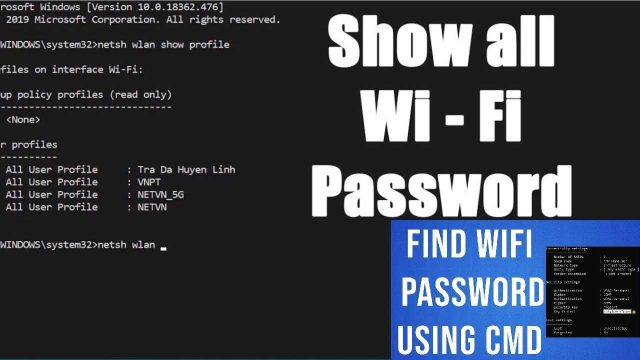
Most routers display the password as a hidden field (dots or asterisks). Look for a ‘Show’ button, an eye icon, or a checkbox that says ‘Show Password’ or ‘Unmask’. Click it, and the password will appear in plain text. Some older routers might show it as a plain text input by default. Write it down, take a photo, or copy it somewhere safe. If you want a more permanent record, you can also use export wifi passwords to text file methods on your computer for future reference.

Step 5: Save or Share the Password
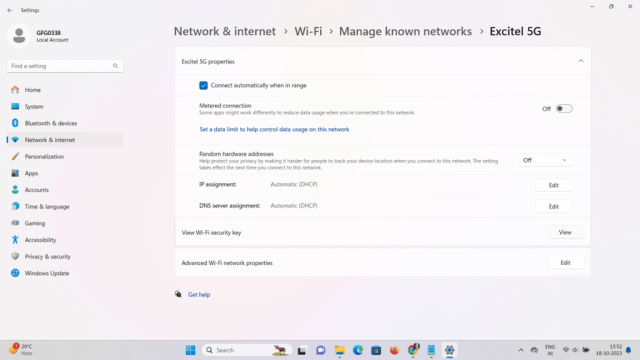
Now that you have the password, consider saving it in a password manager or writing it on a sticky note attached to the router (if security isn’t a huge concern). For sharing with guests, you can generate a QR code using online tools — check out our guide on wifi password recovery with qr code for an easy method. Alternatively, if you’re on a Windows PC and want to avoid router access in the future, learn how to view saved wifi password windows directly from your PC.

Common Pitfalls
- Forgot admin password: If you changed the router’s admin password and can’t remember it, a factory reset is your only option. Use a paperclip to press and hold the reset button (on the back or bottom) for 10 seconds while the router is on. This will reset everything — including WiFi settings — so you’ll need to reconfigure the network afterward.
- Can’t find the wireless section: Some ISP-provided routers have a simplified interface. Look for ‘WiFi Settings’, ‘Home Network’, or ‘Security’. If you’re really stuck, search online for your exact model number plus ‘default password location’.
- Password field grayed out: On some routers, the password field is pre-filled with dots but won’t let you reveal it without saving first. Try changing one character and then reverting it — sometimes the show option appears after an edit (write down the original password first!).
Where to Next
Now that you’ve recovered your WiFi password, you might want to explore other convenient methods. If you’re on Windows, check out free wifi password recovery for windows for a quick no‑router alternative. Or if you’ve ever forgotten a network key before, our guide on forgotten wifi password recovery windows walks you through the process without any hardware access. For Mac users, we’ve also covered finding passwords in Keychain Access. Stay connected, and never be locked out of your own network again!