Ever needed to grab a WiFi password from a Windows computer but hit the ‘admin required’ wall? Maybe you’re on a work laptop or a friend’s PC and don’t have the admin password. Don’t worry – there are still ways to recover saved WiFi passwords without admin rights. By the end of this guide, you’ll have your network key in hand, whether you use a portable tool or a clever command-line trick.
This tutorial is for standard Windows users (no admin access) who have previously connected to a WiFi network on that machine. We’ll cover two reliable methods: using a lightweight portable app that doesn’t need installation or admin privileges, and a netsh-based workaround that works on some Windows versions. No admin password? No problem.
What You’ll Need
- A Windows PC (7, 8, 10, or 11) where the target WiFi was previously connected.
- A USB flash drive (for the portable tool method) or access to a web browser.
- About 10 minutes of your time.
- Optional: A second device to download the necessary files (if the target PC has strict download restrictions).
Step 1: Download a Portable WiFi Password Recovery Tool
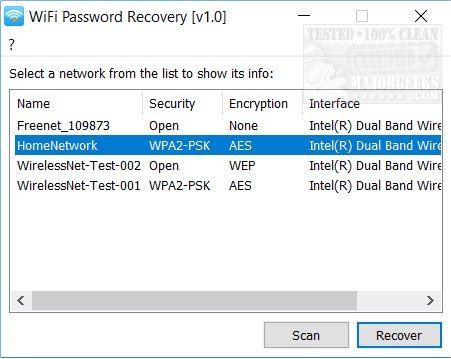
The easiest way to recover a WiFi password without admin is to use a portable tool designed to extract saved wireless keys. These apps don’t require installation and can run with standard user privileges. One popular option is the free wifi password recovery for windows tool from a trusted source. Download it on a different computer if the target PC blocks downloads, then save it to a USB drive.

Step 2: Run the Portable Tool (No Installation)
Plug the USB drive into the target Windows PC. Navigate to the tool’s executable (usually named something like ‘WiFiPasswordRecovery.exe’) and double-click to run it. Because it’s portable, you won’t see a UAC prompt asking for admin rights. The tool will scan the system’s saved profiles and display all networks along with their passwords in plain text.

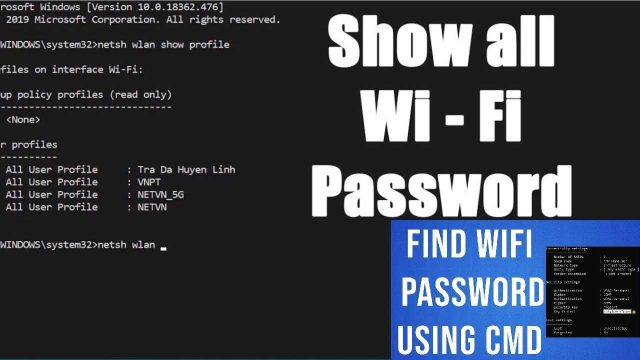
If you prefer a familiar command-line approach, you can also try the netsh method. Open Command Prompt (not as administrator) and type netsh wlan show profiles. This lists all saved networks. Then run netsh wlan show profile name="YourNetworkName" key=clear – on some Windows builds, the key will appear even without admin rights. Test it; if you get a privilege error, stick with the portable tool.
Step 3: Locate the Password and Save It
After the tool finishes scanning, look for the network name (SSID) you need. The password (often labeled ‘Key Content’ or ‘Password’) will be displayed. Write it down or take a photo. You can also export the list to a text file – most tools have an ‘Export’ button. This is especially handy if you want to export wifi passwords to text file later. Don’t forget to safely eject the USB drive.

Common Pitfalls
- The tool says ‘No networks found’ – Make sure the PC has actually connected to a WiFi network before. Also, try running as a different user if you’re on a shared machine.
- netsh returns ‘You do not have sufficient privileges’ – This means your Windows version enforces admin check. Fall back to the portable tool method or use a live USB Linux boot (advanced).
- Antivirus flags the tool as malware – Some legitimate password recovery tools get false positives. Use a reputable tool from a known developer and temporarily disable your AV if you trust the source.
I was able to recover my office WiFi password using a portable tool on a locked-down PC. Took less than 2 minutes!
A satisfied user on Reddit
Where to Next
Now that you’ve recovered your WiFi password, consider organizing your network credentials. For a more robust solution, check out our guide on wireless password recovery software for bulk export. If you’re on a different OS, we also have tutorials for recovering wifi passwords on Linux and viewing saved networks on macOS. And if you ever get locked out of your router, learn how to recover wifi password from router via the admin panel.