Ever been stuck needing a WiFi password that you saved months ago? Maybe you’re helping a friend with their laptop, or you’re a tech support hero on the go. This guide is for anyone who wants a portable solution—a USB stick you can carry in your pocket that can pull up saved WiFi passwords on almost any computer. By the end, you’ll have a custom USB toolkit with free portable apps that work on Windows, macOS, and Linux. No installs, no admin rights needed (mostly).
I’ll walk you through exactly what to download, where to put it, and how to use each tool. Whether you’re a beginner or a seasoned tinkerer, you’ll be recovering passwords like a pro in under 10 minutes. Let’s build your portable password recovery drive.
What You’ll Need
- A USB flash drive (4 GB or more is plenty)
- A computer with internet access to download tools
- Free portable apps: WirelessKeyView (Windows), WiFi Password Revealer (macOS), and a Linux script or native commands
- Optional: a second USB drive or cloud backup for your keys
Step 1: Download the Portable Apps
First, grab the tools. For Windows, download WirelessKeyView from NirSoft (it’s a single .exe file, no install needed). For macOS, get WiFi Password Revealer—also a portable .app. For Linux, you don’t need extra software; a simple script using the native commands works fine. I’ll include a script in the next step. All these tools are free and widely used for WiFi password recovery without root access.

Step 2: Organize Everything on Your USB Drive
Create a folder on your USB called “WiFi Tools” or something obvious. Place WirelessKeyView.exe inside. For macOS, copy WiFi Password Revealer.app into the same folder. For Linux, create a text file named “wifirecover.sh” with the following content: #!/bin/bash; sudo grep -r ‘psk=’ /etc/NetworkManager/system-connections/. Save it with Unix line endings (use Notepad++ or a text editor that supports them). Also grab the step-by-step WiFi password recovery guide from our site and save a PDF copy on the USB for quick reference.

Step 3: Recover Passwords on Windows
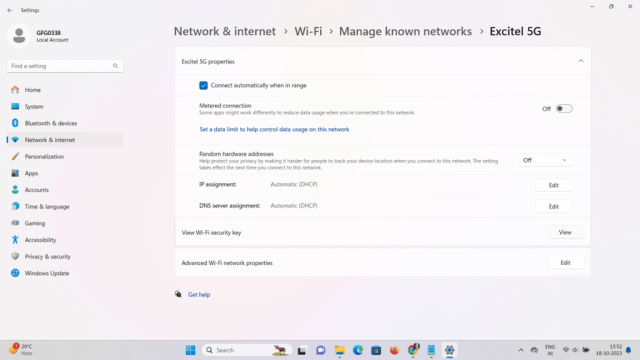
Plug the USB into any Windows PC. Navigate to your “WiFi Tools” folder and double-click WirelessKeyView. The app might trigger a Windows Defender warning—just click “More info” and “Run anyway”. It’s safe. WirelessKeyView will instantly list every saved WiFi network with its password in plain text. You can export the list to a text or HTML file. This is the fastest way to recover WiFi passwords from a PC without any setup.

Step 4: Recover Passwords on macOS
On a Mac, open your USB drive and double-click WiFi Password Revealer.app. If macOS blocks it, go to System Preferences > Security & Privacy and allow it. The app will show a list of networks and passwords. Alternatively, you can use the Terminal: open it from Utilities, type security find-generic-password -ga “YOUR_SSID” | grep password: (replace YOUR_SSID with the network name). This native method is great if you want to recover WiFi passwords without root access on macOS.

Step 5: Recover Passwords on Linux
On Linux, open a terminal from the USB drive (or copy the script to the system). Navigate to the USB folder and run: bash wifirecover.sh. You’ll be prompted for your sudo password (you need admin rights to read the connection files). The script prints each network’s SSID and PSK password. If you prefer manual commands, use sudo cat /etc/NetworkManager/system-connections/*. This method is covered in our guide on how to view saved WiFi passwords on Linux.

Common Pitfalls
- Antivirus or Windows Defender flags WirelessKeyView as a false positive. It’s safe, but you may need to add an exclusion or temporarily disable real-time protection.
- USB drive not recognized or missing drivers. Use a standard FAT32 formatted drive for compatibility across OSes.
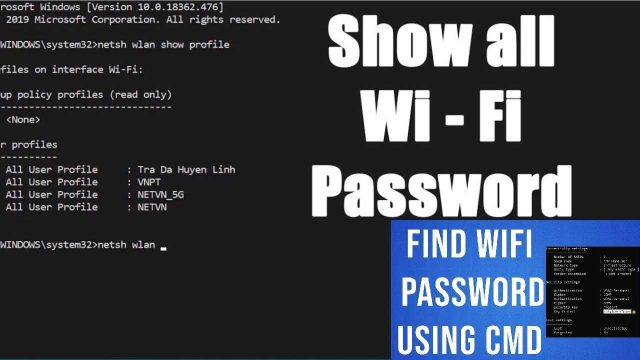
- Lack of admin rights on a target computer. Some methods (especially Linux and macOS script) require sudo. If you don’t have admin, try the QR code method or use the Netsh command on Windows if you can run cmd as admin.
Where to Next?
Now you’ve got a portable password recovery kit in your pocket. Check out our other guides for deeper dives: we have a full step-by-step WiFi password recovery tutorial, a guide on recovering WiFi passwords from a Linksys router, and a review of the best WiFi password recovery software in 2025. Happy recovering!