So you just reset your router to factory settings—maybe to fix a connection issue or sell it—and now you can’t remember the WiFi password. Don’t panic. Even if you changed the password from the default, a reset wipes that custom password, but you can usually get back online quickly by checking the router itself or using a device that was previously connected. This guide walks you through several proven methods to recover your WiFi password after a reset.
By the end of this tutorial, you’ll have your WiFi password in hand, whether it’s the default printed on the router, the one you set previously (recovered from a connected computer or phone), or a new password you create after logging into the router’s admin panel. We’ll cover Windows, Mac, and even a quick command-line trick for the tech-savvy.
What You’ll Need
- Your router (physical access to check the sticker)
- A computer or phone that was previously connected to the WiFi (if you want to recover the old password)
- An Ethernet cable (optional, for a more stable admin login)
- The router’s default admin username and password (usually on the sticker)
- A web browser for accessing the router’s settings
Step 1: Check the Router Sticker for the Default WiFi Password
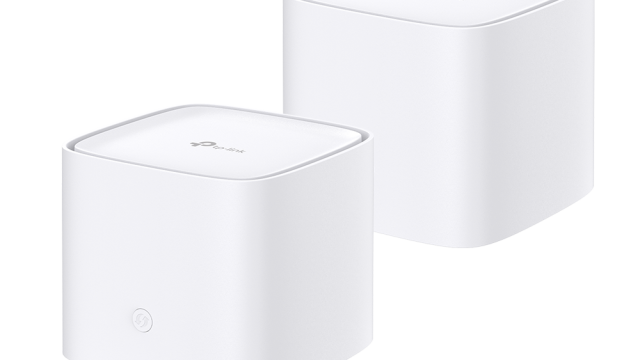
The quickest way to get back online is to look at the sticker on your router. Most routers have a label on the bottom or back that lists the default SSID (network name) and password. Even if you changed the password before the reset, the reset restores this default. Write it down and use it to connect—it’s that simple.

Step 2: Log In to the Router Admin Interface
If the sticker didn’t have the WiFi password, or you want to set a custom password, you can log into the router’s admin panel. First, connect to the router via Ethernet or use the default WiFi from the sticker. Open a browser and enter your router’s IP address (common ones are 192.168.1.1, 192.168.0.1, or 192.168.1.254). You’ll need the default admin username and password—these are also on the sticker or in the manual. If you’ve never changed them, try “admin” for both username and password, or check your router model online.

Once logged in, look for a section called “Wireless,” “WiFi,” or “Security.” There you’ll see the current WiFi network name (SSID) and password. If the field shows dots, you can usually reveal the password or reset it to something new. Save the changes and reconnect your devices. This is the classic router login method, and it works for almost any router brand.

Step 3: Recover the Old WiFi Password from a Connected Windows PC
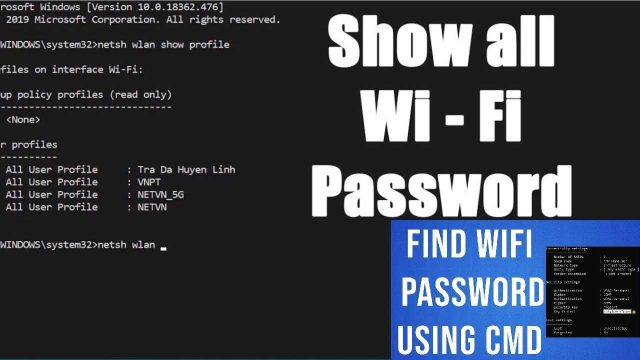
If you have a Windows computer that was connected to the network before the reset (and you haven’t reset the computer), you can pull the saved password directly. This is especially useful if you want to reuse the old password after resetting the router. Open the Command Prompt as administrator and type: netsh wlan show profiles. This lists all saved networks. Find your network name, then run: netsh wlan show profile name="YourNetworkName" key=clear. Look for “Key Content”—that’s your password.

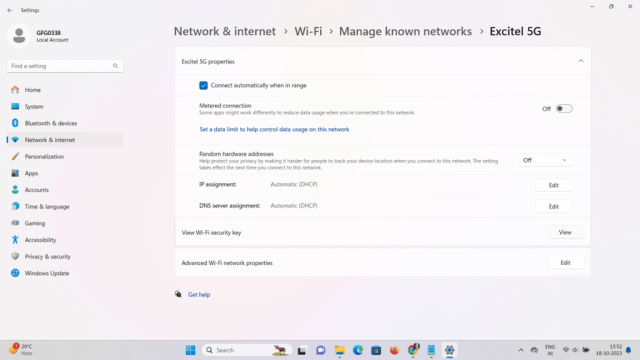
This method is a quick way to recover WiFi password on Windows without any extra software. If you prefer a graphical tool, you can also use the Network & Internet settings, but the command line is faster. For more details, check our guide to view saved WiFi password using CMD.
Step 4: Recover the Old WiFi Password from a Mac
On a Mac that was previously connected to the WiFi, open the Keychain Access app (found in Applications > Utilities). Search for your network name (SSID) in the search bar. Double-click the result, then check the box “Show password.” You’ll need to enter your Mac’s admin username and password to reveal it. That’s the saved WiFi password. This is a standard WiFi password recovery for MacBook Pro and other Macs.
Step 5: Use PowerShell (Windows) for Advanced Recovery
If you’re comfortable with scripting, PowerShell offers a robust way to export all saved WiFi passwords. Open PowerShell as administrator and run: netsh wlan show profiles | Select-String ":(.)$" | %{$_.Matches.Groups[1].Value.Trim()} | ForEach-Object {netsh wlan show profile name="$_" key=clear}. This will list every saved WiFi profile and its password. It’s a handy PowerShell WiFi password recovery trick for power users who want to back up their network keys.
Common Pitfalls
- Wrong Router IP: If you can’t access the admin page, you might have the wrong IP address. Check the sticker or run
ipconfigon Windows (look for Default Gateway). - Forgot Admin Password: If you changed the router’s admin password and forgot it, you may need to physically reset the router again (press the reset button for 10 seconds) to restore defaults. Note that this will also reset any custom settings.
- No Previously Connected Device: If you’ve reset all devices or don’t have access to a computer that was connected, you’re limited to the sticker or admin login. In that case, the default password is your only option unless you can guess the old one.
After resetting my router, I couldn’t find the default password because the sticker had worn off. Using a friend’s laptop that had connected before, I used the Windows command line to recover it in seconds.
— Alex R., Network Admin
Where to Next
Now that you’re back online, consider updating your router’s firmware and setting a strong, memorable password. If you want to explore other recovery scenarios, check out our guide on WiFi password recovery without command line for a simpler approach, or dive into our tutorial on recovering passwords from public hotspots. Happy surfing!