Ever been in that awkward spot where a friend asks for your WiFi password and you draw a blank? It happens to the best of us. Windows actually stores every WiFi password you’ve ever connected to — you just need to know where to look. Whether you’re on Windows 10 or 11, this guide will show you two super simple ways to dig up that forgotten password. By the end, you’ll be able to find any saved WiFi key in under a minute, no tech wizardry required.
This tutorial is for anyone who has ever connected to a WiFi network on their Windows PC but can’t remember the password. You don’t need admin rights for the first method (Settings), but you’ll need them for the second (Command Prompt). We’ll also cover what to do if you’re locked out or the password is hidden. Ready? Let’s get that password back.
What You’ll Need
- A Windows PC (10 or 11) that is currently connected to the WiFi network (or was connected in the past)
- Administrator access (only required for the Command Prompt method — skip that step if you don’t have it)
- A few minutes and a clear head
That’s it. No extra software, no downloads. Everything is built into Windows.
Step 1: Find Your WiFi Password Using the Settings App (Easiest Method)
This method works if you’re currently connected to the WiFi network. It’s perfect for quickly sharing your network password without digging into command lines.

First, click the Start button (or press the Windows key) and type ‘Settings’. Open the Settings app. Then go to ‘Network & Internet’ > ‘WiFi’ (on Windows 11, it’s ‘Network & internet’ > ‘WiFi’). Click on ‘Manage known networks’ (Windows 10) or ‘Manage known networks’ (Windows 11). Find your current network, click on it, and select ‘Properties’ (Windows 10) or click the network name (Windows 11). Scroll down to ‘View Wi-Fi security key’ and click ‘Show’. Your password will appear in the box next to ‘Network security key’. Write it down or take a picture.
If you’re not currently connected, don’t worry — you can still find the password using the next method. Also note that this method only shows the password for the network you’re actively connected to. For other saved networks, use the Command Prompt method below.
Step 2: Retrieve Any Saved WiFi Password via Command Prompt (Advanced Method)
This method works for all WiFi networks your PC has ever connected to, even if you’re not currently connected. You’ll need administrator privileges to run Command Prompt.

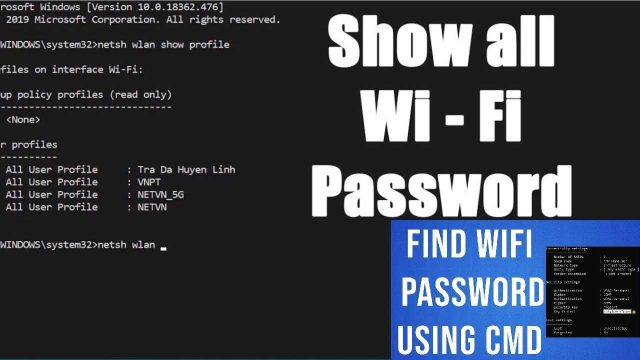
Press the Windows key, type ‘cmd’, right-click on ‘Command Prompt’ and select ‘Run as administrator’. Accept the UAC prompt. Now type the following command and press Enter: netsh wlan show profiles. This lists all saved WiFi profiles on your PC.
Find the name of the network whose password you need. Then type this command, replacing ‘WiFiName’ with the actual network name: netsh wlan show profile name="WiFiName" key=clear. Look for the line that says ‘Key Content’ — that’s your password. Write it down. If you want to export all passwords at once, check out our guide on export WiFi passwords with PowerShell.
Note: If the network name has spaces, keep the quotes around it. The command is case-insensitive.
Step 3: View the Password from Network Settings (Alternative GUI Method)
If you’re more comfortable with a graphical interface, you can also check the password from the old Control Panel network settings. This works for the current network only.

Open Control Panel (search for it from Start). Go to ‘Network and Internet’ > ‘Network and Sharing Center’. Click on your current WiFi connection (next to ‘Connections’ under ‘View your active networks’). In the pop-up, click ‘Wireless Properties’. Then go to the ‘Security’ tab. Check the box that says ‘Show characters’. The password will appear in the ‘Network security key’ field.
That’s all there is to it. If you prefer a completely non-command-line approach, check out the WiFi password recovery without command line article.
Common Pitfalls
- You don’t see ‘Show characters’ or ‘Key Content’ is blank. This usually means you don’t have admin rights, or the network profile is corrupted. Try running Command Prompt as administrator. If that fails, the network might have been removed from the list. Reconnect once to save the profile again.
- The Command Prompt says ‘The request is not supported’. This happens if you’re trying to access a network that your PC has never connected to, or the profile is stored in a user account you’re not currently logged into. Make sure you’re using the same user account that originally connected.
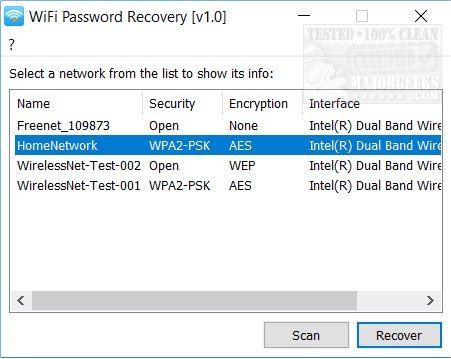
- You see a list of networks but can’t find the one you need. Some networks (like those with hidden SSID) might not appear in the list. Use the Settings method while connected, or try a third-party tool like our recommended free WiFi password recovery without ads.
Where to Next
Now that you’ve recovered your password, you might want to back it up or manage other networks. Check out the WiFi password recovery from registry guide for an alternative method, or see how to recover passwords from other devices: WiFi password recovery command line script can automate the process across many profiles. To recover passwords on a different platform, check out WiFi password recovery PowerShell all profiles for a scripted approach. Stay connected!