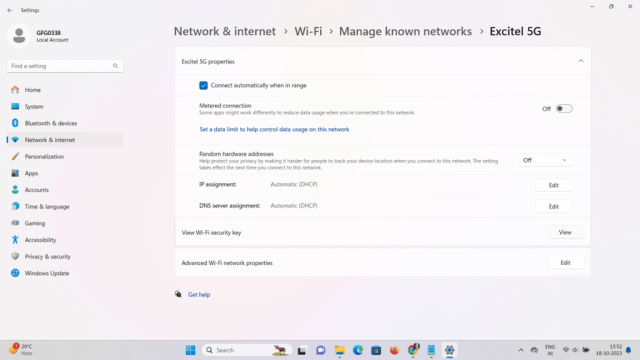
Ever forgotten your Wi-Fi password and needed to connect a new device? You’re not alone. This guide is for anyone who has a computer that already connects to a Wi-Fi network but can’t remember the password. By the end, you’ll have a working recovery software setup that can pull saved passwords from your system, view them in plain text, and export them for backup.
We’ll cover downloading, installing, and running a popular free tool (like WirelessKeyView or similar), scanning your saved networks, and grabbing the passwords. No advanced skills needed — just follow along.
What You’ll Need
- A Windows PC (the process is similar on Mac and Linux, but the tools differ — check our guides for macOS recovery or open source Wi-Fi password recovery tools if needed).
- Admin access to your computer (you’ll need to install software and run certain commands).
- A stable internet connection to download the software.
- About 15 minutes of your time.
Step 1: Download a Reliable WiFi Password Recovery Tool
For Windows, one of the most trusted tools is WirelessKeyView by NirSoft. It’s free, portable (no installation required), and shows all saved Wi-Fi passwords instantly. Head over to the NirSoft website and download the latest version. Choose the right architecture (32-bit or 64-bit) for your system.

Step 2: Install the Software (or Run Portable)
WirelessKeyView comes as a ZIP file. Extract it to a folder on your desktop. No installation is needed — just double-click the executable (WirelessKeyView.exe). If you get a SmartScreen warning, click “More info” then “Run anyway.” The tool will immediately scan your system for stored network profiles.

Step 3: Launch and Scan for Saved Networks
Once opened, WirelessKeyView shows a list of all Wi-Fi networks your computer has ever connected to. Each entry includes the network name (SSID), the password (in plain text under the “Key (Ascii)” column), and the adapter used. If you have many networks, use the scrollbar or search by SSID.

Step 4: View and Export Passwords
To see a password, simply look at the “Key (Ascii)” column. To export a list, go to File > Save Selected Items (or press Ctrl+S). Choose a text file or HTML report. You can also copy individual passwords by selecting the entry and pressing Ctrl+C. This is useful if you want to recover Wi-Fi password on Windows 10 and keep a backup.

Step 5: Use the Recovered Password
Now that you have the password, you can connect other devices. On your phone or tablet, go to Wi-Fi settings, select the network, and enter the password manually. For Android or iPhone, you can also use the password-sharing feature if already connected. If you want to back up Wi-Fi passwords on Mac, the process is different — but for Windows, you’re all set.
Common Pitfalls
- **Antivirus blocking the tool.** Some security software flags WirelessKeyView as a potentially unwanted program because it accesses stored credentials. Temporarily disable your antivirus or add an exception to proceed.
- **Not running as administrator.** Without admin rights, the tool may not access the stored network profiles. Right-click the executable and select “Run as administrator.”
- **Wrong architecture version.** If you download the 32-bit version on a 64-bit system, it may not work. Match the version to your Windows architecture (check in System Information).
Where to Next?
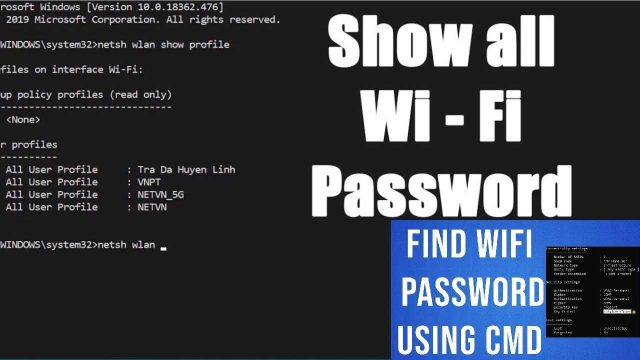
Now you know how to set up WiFi password recovery software. If you’re on a different platform, check our guides to recover Wi-Fi password on Windows 10 using built-in methods, or for beginners we have a comprehensive Wi-Fi password recovery for beginners tutorial. You can also find saved Wi-Fi password using CMD for a command-line approach. If you prefer open-source options, explore open source Wi-Fi password recovery tools. And if your system crashed, don’t worry — we cover Wi-Fi password recovery after a system crash too.