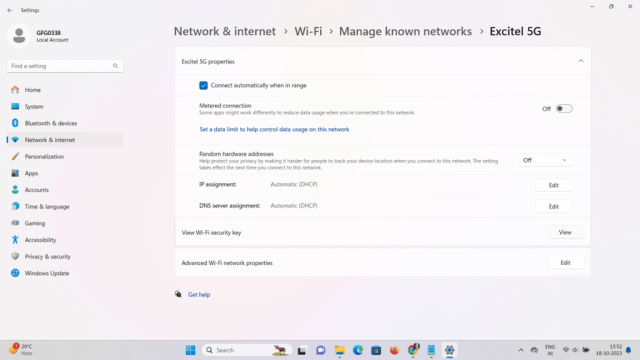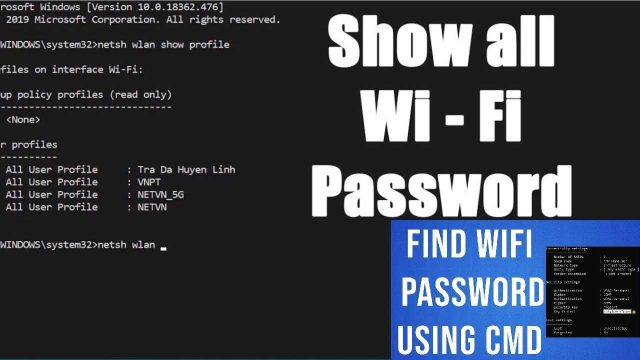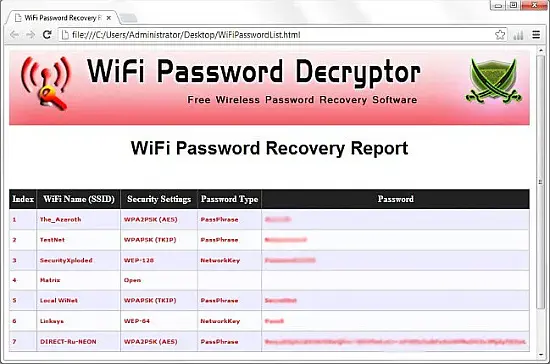
So you’ve been mooching off your neighbor’s WiFi for months, but now they changed the password. Or maybe you just wiped your laptop and realized you never wrote down your home network key. Don’t panic—there’s a way to get it back without digging through old sticky notes or calling your ISP. In this guide, we’ll show you how to use a lightweight, portable WiFi password recovery tool that works on Windows, macOS, and Linux. No bloatware, no complex setup, just a tiny program that spits out all your saved passwords in seconds.
By the end, you’ll have your WiFi password recovered and saved somewhere safe (like a password manager or a piece of paper taped to your router). This method is 100% legal for your own networks, and it’s the fastest way to get back online when you’ve forgotten the key. Plus, it achieves wifi password recovery without losing data—your existing connections stay intact.
What You’ll Need
- A Windows, macOS, or Linux computer that has connected to the WiFi network before.
- A lightweight WiFi password recovery tool (e.g., WirelessKeyView for Windows, WiFi Password Revealer for cross-platform).
- Optional: A USB flash drive to carry the portable tool.
- A few minutes of patience.
Step 1: Download the Tool
Head over to your favorite search engine and search for “lightweight WiFi password recovery tool portable” or “WirelessKeyView download”. Look for the official site of a tool like WirelessKeyView (Windows only) or WiFi Password Revealer (cross-platform). Download the portable version—usually a .exe or .zip file. Avoid any installer that tries to bundle extra software.
Step 2: Run the Tool on Windows
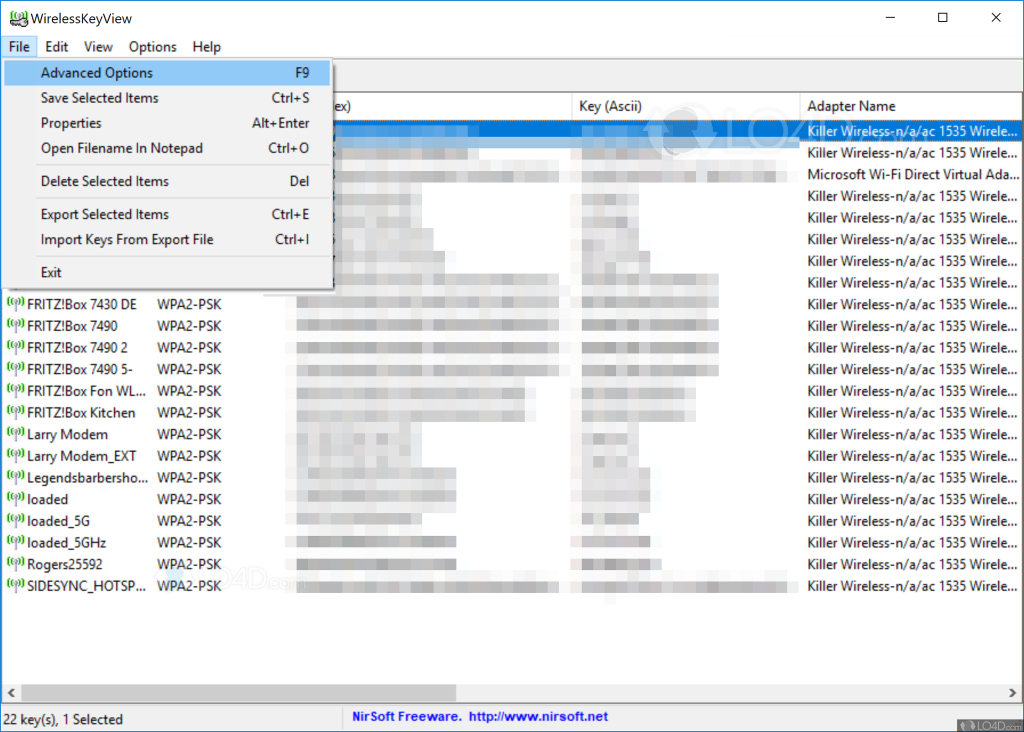
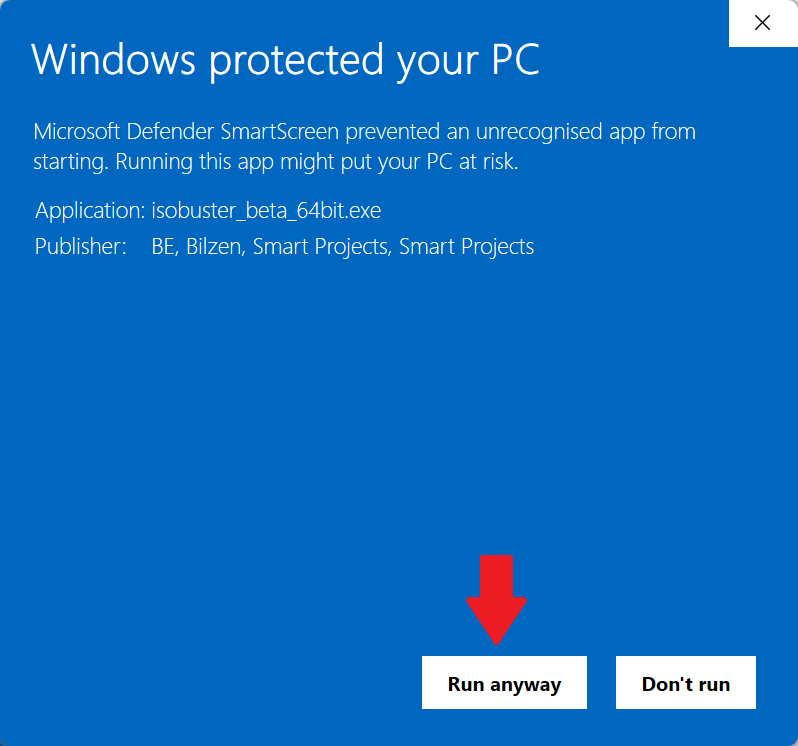
If you’re on Windows, simply double-click the downloaded .exe file. No installation required—it runs as a portable app. The program will immediately scan your system and list all saved WiFi profiles along with their passwords in plain text. If Windows SmartScreen blocks it, click ‘More info’ and then ‘Run anyway’—it’s safe.
Step 3: Recover Passwords on macOS
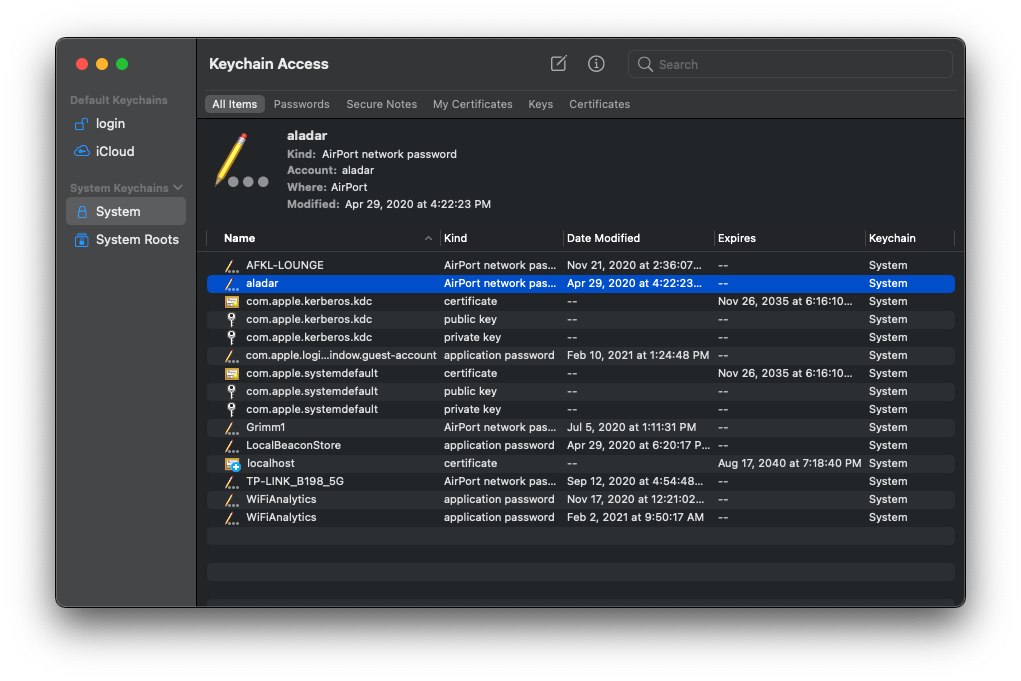
On a Mac, lightweight tools like WiFi Password Revealer can read your Keychain. Alternatively, you can use the built-in Keychain Access app—no third-party software needed. Open Spotlight (Cmd+Space), type ‘Keychain Access’, find your network name under ‘System’ or ‘Login’, double-click it, and check ‘Show password’. You’ll need your Mac admin password. For more details, check out our view saved wifi password mac guide.
Step 4: Recover Passwords on Linux
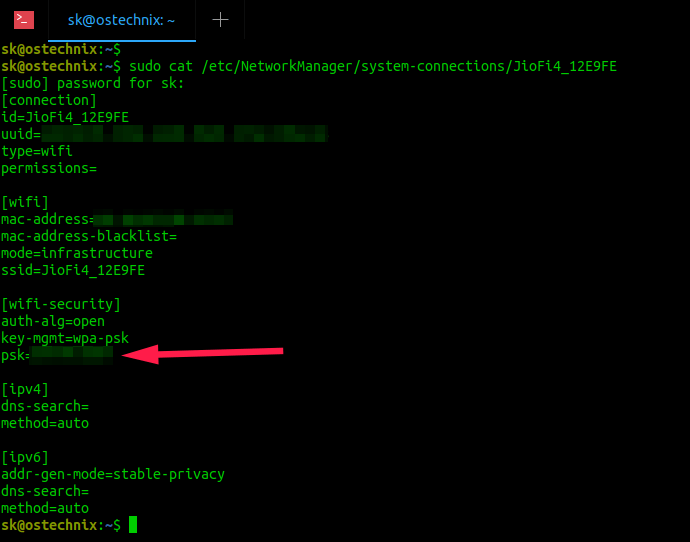
Linux users can recover passwords without any extra tool. Open a terminal and run: sudo grep -r ‘psk=’ /etc/NetworkManager/system-connections/. This prints all saved WiFi SSIDs and their passwords. For a GUI option, download WiFi Password Revealer which offers a Linux build. No installation needed—just run the executable.
Step 5: Export and Save Your Passwords
Once the tool displays your passwords, copy them to a text file or use the built-in export feature. Many tools have an ‘Export’ button that saves all passwords as CSV or HTML. Store this file in a secure place—like a password manager or an encrypted thumb drive. You now have a backup for future need.
Common Pitfalls
- SmartScreen or antivirus blocks the tool: This is normal for portable password recovery tools. Temporarily disable your antivirus or add an exception, but only use trusted software from official sources.
- Running on a different user account: The tool must run under the same user that originally connected to the WiFi. If you’re on a shared computer, switch to the correct profile.
- The network isn’t saved: These tools can only recover passwords that are stored on your computer. If you entered a password once but didn’t save it, you’ll need to use a different method like a router backup.
Where to Next
Now that you’ve recovered your password, check out our wifi password recovery ultimate guide for more advanced techniques. If you prefer a method that doesn’t require downloading anything, see our free wifi password recovery no install guide. For a hardware approach, learn how to recover wifi password without reset using router backup. And if you regularly manage multiple networks, our personal wifi password recovery article can help you set up a system.