Ever been at a friend’s house, your phone auto-connects, but you have no clue what the password is? Or maybe you set up your home network years ago and wrote the password on a sticky note that’s long gone. Don’t worry—WiFi password recovery software can dig up those saved passwords in seconds. This guide is for anyone with a Windows PC or Mac who needs to retrieve a forgotten WiFi password, no tech degree required.
By the end of this tutorial, you’ll know how to use a couple of free, lightweight tools to recover every WiFi password your computer has ever saved. You’ll also learn how to export them for safekeeping, so you never get locked out again. Let’s get started.
What You’ll Need
- A Windows PC or Mac with admin access (you need to be able to install software).
- An internet connection to download the recovery tool (or a USB stick if you want an offline version).
- Patience—some antivirus programs might flag these tools as suspicious (they’re not, but we’ll cover that).
- Optional: A text editor or password manager to store your recovered passwords.
For Windows, we’ll use WirelessKeyView—a tiny, portable utility that reveals all stored WiFi keys. For macOS, we’ll use the built-in Keychain Access plus a handy command-line trick. Both are 100% free and have been used by millions. If you prefer a tool without any ads, check out our free wifi password recovery without ads guide for a curated list.
Step 1: Download a Reliable Recovery Tool

Head over to the official NirSoft website and grab WirelessKeyView. It’s a single .exe file—no installation required. If you’re on a Mac, you don’t need extra software; we’ll use Keychain Access. But if you want a dedicated app, there are options like WiFi Password Revealer. For now, let’s stick with the simplest method. If you need to do this without an internet connection, consider using a wifi password recovery app offline that you can preload on a USB drive.
Step 2: Run the Tool as Administrator

On Windows, right-click the downloaded WirelessKeyView.exe and select “Run as administrator.” This is crucial—if you don’t, the tool won’t be able to access the encrypted password store. On macOS, you don’t need admin rights for Keychain Access, but you will need your login password to reveal keys.
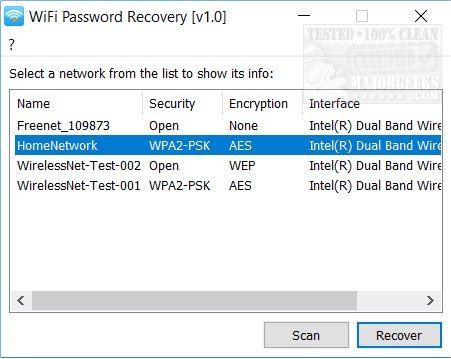
Once it launches, you’ll see a table listing every WiFi network your PC has ever connected to. Columns show Network Name (SSID), Key (password), and more. The passwords are displayed in plain text right there. Easy, right? For a deeper dive into recovering all profiles at once, see our wifi password recovery powershell all profiles tutorial.
Step 3: View and Copy Your WiFi Passwords

Scroll through the list to find the network you need. The password is in the “Key (Ascii)” column. You can select a row and press Ctrl+C to copy the password. If you want to export everything, go to File > Export Selected Items and save as a TXT or HTML file. On a Mac, open Keychain Access, find your WiFi network in the System keychain, double-click it, check “Show password,” and enter your admin credentials.
I thought I’d lost the office WiFi password forever. WirelessKeyView found it in under ten seconds. Now I keep a backup.
– Sarah, IT administrator
If you’re managing multiple networks, consider backing up your passwords to avoid future headaches. Our wifi password recovery backup guide walks you through creating a secure export you can store in a password manager.
Step 4: (Optional) Recover Without Third-Party Software
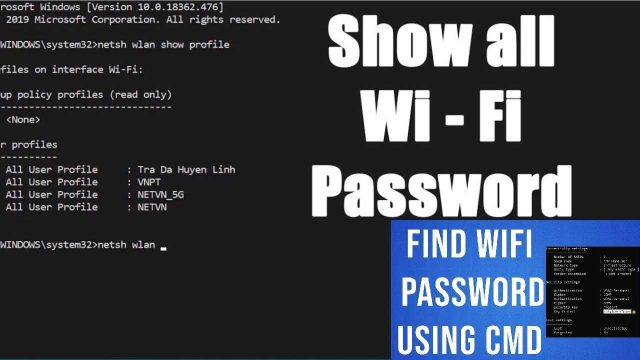
Don’t want to download anything? Windows has a built-in command-line method. Open Command Prompt as admin and type: netsh wlan show profile name="YourNetworkName" key=clear. Look for “Key Content” in the output. This works great for a single network, but if you need all at once, a tool is faster. For more details, check our guide on wifi password recovery no third party software.
Step 5: Save or Backup Your Passwords
Now that you have your passwords, don’t rely on memory. Write them down in a secure place or use a password manager. Many recovery tools also let you export to a CSV or text file. Keep that file encrypted or offline—after all, these are the keys to your network. If you’re on an office network, you might need to follow our wifi password recovery on office network guide for extra precautions.
Common Pitfalls
- Antivirus false positives: Many recovery tools interact with system security, so antivirus may flag them. That’s normal. Just add an exception or temporarily disable real-time protection during the scan.
- No admin rights: If you’re on a work or school computer, you might not have admin access. In that case, you can’t run these tools. Try the command-line method if you have limited access, or ask your IT department.
- Network was never saved: If the WiFi network was connected on another device (like your phone), you won’t find it on your PC. You’ll need to use a phone-specific method or check a different device.
Another common issue is that some tools only work on certain Windows versions. WirelessKeyView supports Windows 10/11 perfectly, but older versions might need a different utility. Always download from the official source to avoid malware.
Where to Next?
You’ve successfully recovered your WiFi passwords using free software. Now that you have them, consider setting up a backup routine so you never lose access again. If you want to recover passwords from your router directly, check out our tutorial on router-based recovery. And if you’re ever stuck without a computer, remember that many routers have the password printed on a sticker underneath.