We’ve all been there: a friend asks for the WiFi password, and you draw a blank. Or you reset your router and realize you never wrote down the credentials. If you’ve ever had to call your ISP or dig through old sticky notes, this guide is for you. By the end, you’ll have a secure backup of every WiFi password saved on your devices — Windows, macOS, Android, and even from your router’s admin panel. No more password panic.
This guide assumes you’re a motivated beginner. You don’t need to be a tech wizard, but you should have basic computer skills and know your device passwords. We’ll cover built-in tools and free methods — no sketchy third-party apps required. Ready to take control of your network credentials? Let’s dive in.
What You’ll Need
- A Windows PC, Mac, Android phone, or iPhone
- Administrator access on Windows (or local admin password)
- Router admin username and password (usually on a sticker)
- A USB drive or cloud storage for your backup file
- Optional: a password manager like Bitwarden or LastPass
Step 1: Back Up WiFi Passwords on Windows
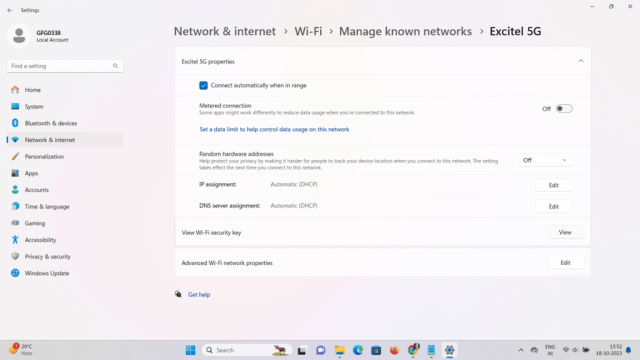
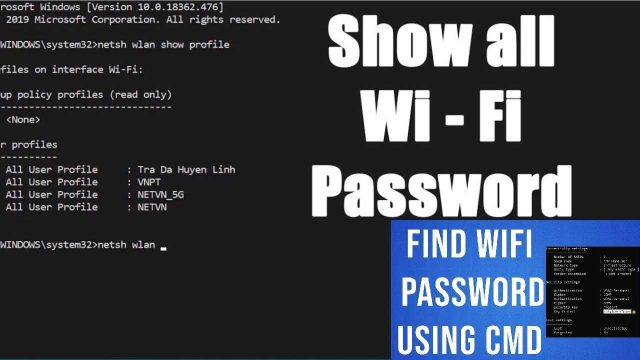
Windows stores every WiFi profile you’ve ever connected to. You can extract the passwords using Command Prompt or PowerShell without any extra software. To get started, press Windows Key + X and select Windows PowerShell (Admin) or Command Prompt (Admin).

In the terminal, run this command to list all saved WiFi profiles: netsh wlan show profiles. Note the profile names. For each profile, run: netsh wlan show profile name="ProfileName" key=clear. Look for the Key Content field — that’s your WiFi password. To back up all passwords at once, you can use a script that automates this. For a detailed method, check out our guide to recover all WiFi passwords using PowerShell.
If you don’t have admin rights, don’t worry. There are ways to recover WiFi passwords without admin on Windows using offline tools or by exporting from another device. But for a full backup, admin access is easiest.
Step 2: Back Up WiFi Passwords on macOS
On a Mac, all WiFi passwords live in the Keychain Access app. Open Keychain Access from Applications > Utilities. In the search bar, type the name of your WiFi network. Double-click the network entry and check the box Show password. You’ll need your Mac’s login password to reveal it. Write it down or take a screenshot, but be careful with security.
For a bulk export, you can use the Terminal: security find-generic-password -wa "YourNetworkName". This outputs the password to the console. If you want to export all saved WiFi passwords at once, you’ll need to loop through each network. A simple script can do that. And if you’re the kind of person who prefers free WiFi password recovery without ads, this built-in method is perfect.
Step 3: Back Up WiFi Passwords on Android
Android stores WiFi passwords in a protected system file. On devices running Android 10 or later, you can view a QR code for your current network. Go to Settings > Network & Internet > WiFi, tap the gear icon next to your network, and select Share. Authenticate with your PIN or fingerprint, and you’ll see a QR code. The password is displayed below it. For other saved networks, you’ll need root access or use an ADB command.

To back up all saved networks on a non-rooted device, connect your phone to a computer with USB debugging enabled. Run adb backup -f wifi.ab -noapk com.android.settings, then extract the backup. This is more advanced. If you have root, you can simply copy the /data/misc/wifi/wpa_supplicant.conf file. For an easier approach, check out our guide to restore WiFi passwords on Android using a recovery app.
Step 4: Back Up WiFi Passwords on iOS (iPhone/iPad)
Apple doesn’t let you view saved WiFi passwords directly on iPhone or iPad — unless you’re in the Keychain ecosystem. If you use iCloud Keychain, your passwords sync across devices. On a Mac, you can retrieve them via Keychain Access as in Step 2. On the iPhone itself, go to Settings > WiFi, tap the info icon next to your network, and then tap the password field (it’s masked). Use Face ID or Touch ID to reveal it. Unfortunately, there’s no bulk export on iOS. For individual passwords, a recover WiFi password on iPad guide shows the trick.

If you’re not in the Apple ecosystem, consider using a third-party password manager that can sync passwords across devices. That way, you only need to back up from one place.
Step 5: Back Up Router Settings (All Passwords at Once)
The ultimate backup is exporting your router’s configuration. This saves not only the WiFi password but also your SSID, security type, and other settings. Open a browser and enter your router’s IP (usually 192.168.1.1 or 192.168.0.1). Log in with the admin credentials. Look for a Backup or Export option under System Tools or Administration. Download the config file and store it safely. If you ever reset, just import it back.

If you’ve never accessed your router, check the sticker on the device. For a broader guide, see how to recover WiFi password from router step-by-step.
Step 6: Store Everything in a Password Manager
Now that you’ve gathered all your WiFi passwords, it’s time to put them somewhere secure and searchable. A password manager like Bitwarden, 1Password, or KeePass can store entries for each network. Create a new entry for each SSID with the password in the notes. Many managers let you import CSV files — you can export all WiFi passwords with a script and then import them. This way, your backup is encrypted and synced across all your devices.

Common Pitfalls
- Forgot router admin password: If you can’t log into the router, you’ll have to hard-reset it, which wipes all settings. Always store the router admin password alongside your backup.
- Not backing up before a reset: Factory resetting a device or router without first exporting passwords means they’re gone forever. Make backups a regular habit.
- Incompatible export formats: Some routers export in proprietary formats. Test restore by importing the backup on the same model router before relying on it.
Where to Next
You’ve now got a solid backup of your WiFi passwords. But what if you need to recover passwords from a device you haven’t backed up? Or you want to transfer passwords to a new phone? Check out our guides on recover WiFi passwords without formatting your PC, and how to export saved WiFi passwords on Linux. Also, if you’re setting up a new router, our WiFi password recovery tutorial router can help you find the credentials from the old one.