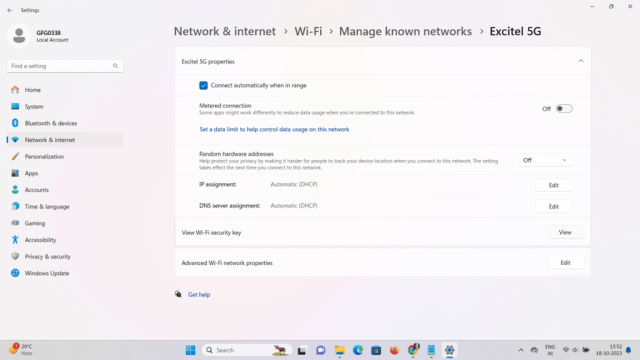
Ever needed to connect a new device to your WiFi, but you can’t remember the password? You’re not alone. We’ve all been there—digging through old notebooks or trying to guess what you set years ago. The good news: you don’t need to format your PC or do anything drastic. This guide will show you how to recover your saved WiFi password on Windows, Mac, or Linux using built-in tools. By the end, you’ll have that password in hand, no software downloads required.
This tutorial is for anyone who has at least one device already connected to the network. We’ll cover the easiest methods for each operating system, plus a few tricks if you have access to your router. If you’re looking for a free wifi password recovery without ads, we’ve got you covered with native methods that don’t need bloatware. Let’s dive in.
What You’ll Need
- A computer already connected to your WiFi network (Windows, macOS, or Linux).
- Administrator or root access to that computer (most personal devices have this).
- Optional: Router login credentials (usually printed on the router).
- Optional: A smartphone with a QR code scanner (for some methods).
Step 1: Check the Router Sticker
Before diving into software, look at your router. Most routers have a sticker on the bottom or back with the default SSID (network name) and password. If you never changed it, you’re done. This is especially helpful for guest networks—check out our wifi password recovery for guest wifi guide for more details.

If the password on the sticker doesn’t work (because you changed it), move on to the next step.
Step 2: Recover WiFi Password on Windows
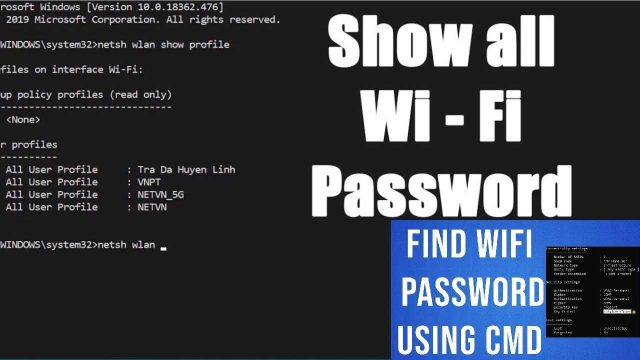
Windows stores all saved WiFi passwords in the system. You can view them using a simple command in Command Prompt or PowerShell. No extra software needed—this is a true wifi password recovery without deleting profiles.

Press Win + R, type ‘cmd’, and press Enter. Then run:
netsh wlan show profiles
This lists all saved networks. Find your network name (SSID). Then type:
netsh wlan show profile name="YourNetworkName" key=clear
Look for ‘Key Content’ under Security Settings—that’s your password. If you don’t have admin rights, see our wifi password recovery no admin windows alternative.
Step 3: Recover WiFi Password on macOS
On a Mac, saved WiFi passwords are stored in the Keychain app. Open Keychain Access from Applications > Utilities. In the search bar, type your network name. Double-click the entry, then check ‘Show password.’ You’ll need your Mac login password to reveal it.

If you have multiple networks, this method works for each. For a more automated approach, consider using a script to export wifi passwords with script—but the manual way is fine for a single network.
Step 4: Recover WiFi Password on Linux
Linux distributions using NetworkManager store WiFi passwords in plain text (or easily decodable) files. Open a terminal and navigate to:
sudo cat /etc/NetworkManager/system-connections/YourNetworkName
Replace ‘YourNetworkName’ with your SSID. In the file, look for ‘psk=’—the text after is your password.

This requires root access. If you’re on a shared machine, be careful. For more details, check our saved wifi password recovery linux guide.
Step 5: Access the Router’s Admin Page
If you can’t retrieve the password from your PC, log into your router’s admin interface. Open a web browser and enter your router’s IP (often 192.168.0.1 or 192.168.1.1). Log in with the admin username/password (often on the sticker). Navigate to Wireless or WiFi settings—the password is there. You can even generate a QR code to share it.

This method works on any device, including smartphones. If you don’t know the admin credentials, you might need to reset the router, but that’s a last resort.
Common Pitfalls
Three things often trip people up:
- Using the wrong network name – make sure you copy the SSID exactly as shown, including spaces and case.
- Not having admin rights – on managed PCs (work or school), these commands may be blocked. Try a different machine.
- Confusing the router admin password with the WiFi password – the admin login is separate; don’t assume they’re the same.
Where to Next
Once you have your password, consider writing it down or storing it in a password manager. If you need to recover passwords for other devices, check out our guides on restore wifi passwords android or recover wifi password on ipad. For frequent recovery, a portable app like free wifi password recovery without ads might be handy. Stay connected!