If you’ve already tried the basic stuff—like digging through your router sticker or checking Network settings—and still can’t get into your own Wi-Fi, you’re in the right place. This guide is for people who aren’t afraid of a command line or a registry editor. By the end, you’ll know half a dozen advanced tricks to pull that password out of Windows, macOS, or even your router’s back end.
A quick word of caution: all these methods are for recovering passwords you own. Using them on someone else’s network without permission is a bad idea (and probably illegal). Stick to your own gear, and you’re golden.
What You’ll Need
- A Windows PC, Mac, or Linux machine (admin access required)
- A USB drive (optional, for portable tools)
- Router admin credentials (or physical access to the router)
- Basic comfort with command-line interfaces
Step 1: Extract Passwords Using Command Prompt
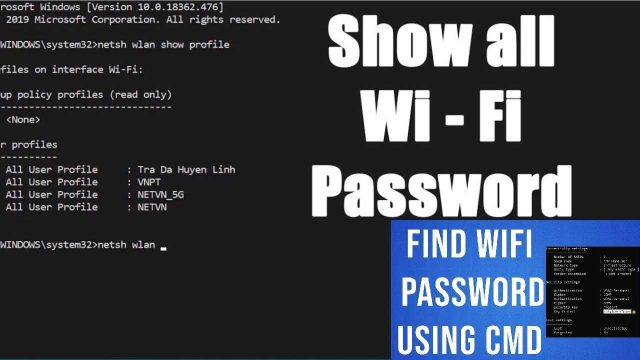
The classic netsh command is your first stop on Windows. If you haven’t tried wifi password recovery using cmd yet, here’s the full deal. Open CMD as Administrator and type:
netsh wlan show profile
This lists every saved network. For each one you want the password of, run:
netsh wlan show profile name="NetworkName" key=clear
Look for the “Key Content” field under Security settings. That’s your password.

Step 2: Use PowerShell to Get All Passwords
PowerShell gives you a cleaner way. Run PowerShell as Administrator and use:
(netsh wlan show profiles) | Select-String ":(.+)$" | %{$Name=$_.Matches.Groups[1].Value.Trim(); $_} | %{(netsh wlan show profile name="$Name" key=clear)} | Select-String "Key ContentW+:(.+)$" | %{$_.Matches.Groups[1].Value.Trim()}
This dumps all keys at once. Pair it with expert wifi password recovery techniques for scripting.

Step 3: Pull Passwords from the Registry
If CMD and PowerShell are blocked, go straight to the source. Open Regedit and navigate to:
HKEY_LOCAL_MACHINESOFTWAREMicrosoftWindows NTCurrentVersionNetworkListProfiles
Each GUID folder contains a ProfileName and a binary blob. To find saved wifi password from registry, you’ll need to export the key and parse it with a hex editor—or use a dedicated tool. This is messy but works when nothing else does.

Step 4: Run Portable Recovery Software
Portable tools live on a USB drive and leave no trace. Download a free wifi password recovery tool that runs from USB—no install needed. Plug in the drive, launch the executable, and let it scan. Most will export a CSV list of all passwords.
Check out wifi password recovery software portable for a tested option. These are lifesavers when you’re on a locked-down school or work computer (with permission, of course).

Step 5: Mac Keychain Access
On macOS, your saved WiFi passwords live in Keychain. Open Keychain Access from Utilities, search for the network name, and double-click it. Check “Show password”—you’ll need your Mac admin password. That’s the whole wifi password recovery via keychain method.
For a deeper dive, use Terminal: security find-generic-password -wa "NetworkName"

Step 6: Router Config Dump (Last Resort)
If your OS won’t cooperate, go straight to the router. Log into your router’s admin panel (192.168.1.1 or similar) and look under Wireless or Security settings. The password is often displayed in plain text or can be revealed by clicking a show/hide icon.
For TP-Link and Asus routers, there are known backdoor URLs—like /cgi-bin/luci that expose config files. Be careful; wrong changes can brick the router. Use this only if you own the device.
Common Pitfalls
- Not running as admin: CMD and PowerShell will give empty results if you skip Run as Administrator. Always start as admin.
- Antivirus interference: Many portable recovery tools trigger antivirus alerts. Temporarily disable it or whitelist the tool if you trust it.
- Ignoring encryption type: Some methods only show WPA2 keys. If your network uses WEP or enterprise auth, these tricks might not work.
Where to Next
Now that you’ve recovered those passwords, don’t lose them again. Set up a secure wifi password recovery process and learn how to backup wifi passwords automatically so you never have to repeat this detective work.
If you hit a snag, revisit the basic methods in our free wifi password recovery tool guide. Or level up with expert wifi password recovery techniques for even more niche scenarios.