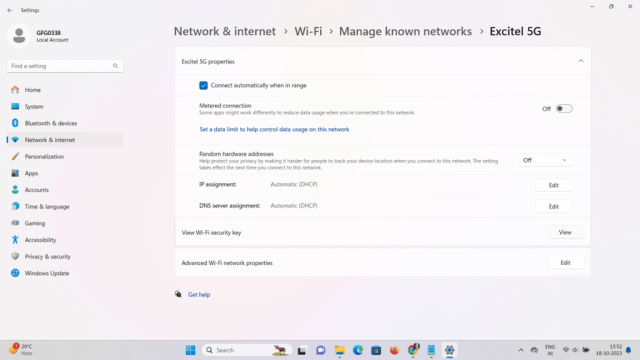
We’ve all been there: you need to connect a new device to your WiFi, but the password is nowhere to be found. Maybe you moved and lost the sticker on the router, or you just haven’t typed it in years. This guide is for anyone who wants to go beyond looking under the router—expert techniques that work on Windows, Mac, and even directly from your router. By the end, you’ll have the skills to recover any WiFi password you’ve ever connected to, without needing to reset anything.
These methods assume you have legitimate access to the network (it’s yours or you have permission). We’ll cover command line tricks, router admin panel dives, portable recovery tools, and even a few Windows registry hacks. Whether you’re a power user or just someone who’s sick of asking for the password again, these techniques will save the day.
What You’ll Need
- A Windows PC or Mac that has connected to the WiFi before
- Router admin credentials (username/password) or physical access to the router
- A USB drive (optional, for portable tools)
- Patience and a willingness to type a few commands
Step 1: Recover Password Using Command Prompt (Windows)

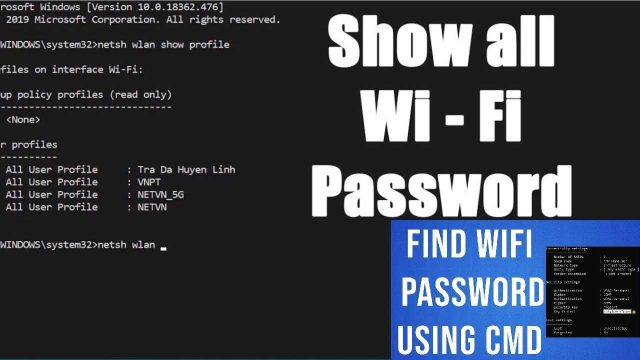
Open Command Prompt as Administrator (right-click Start, select “Command Prompt (Admin)” or “Windows PowerShell (Admin)”). Then type: netsh wlan show profiles. This lists all saved WiFi networks. Find your network name (SSID) from the list. Next, type: netsh wlan show profile name="YourSSID" key=clear. Look for “Key Content” under “Security settings”—that’s your password. If you want to dive deeper into command-line recovery, our post on recover WiFi password using CMD covers every variation.
Step 2: Use Keychain Access (Mac)

On a Mac, open Keychain Access (from Applications > Utilities). In the search bar, type the name of your WiFi network. Double-click the entry for your network. Check the box “Show password” and enter your Mac’s administrator username and password when prompted. The WiFi password will be revealed. For a full walkthrough, see our step-by-step guide on WiFi password recovery via Keychain.
Step 3: Access Your Router’s Admin Panel

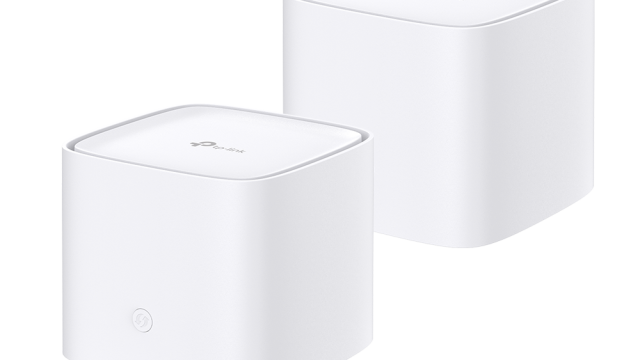
If you have physical access to the router, you can often find the password through its web interface. Open a browser and enter your router’s IP address (common ones are 192.168.0.1, 192.168.1.1, or 192.168.1.254). Log in with the admin credentials (if you don’t know them, try “admin/admin” or check the sticker on the router). Look for “Wireless” or “WiFi” settings; the password is usually displayed as a “Pre-Shared Key” or “Passphrase”. For router-specific tips, check out how to recover your TP-Link WiFi password.
Step 4: Use Portable WiFi Recovery Software

When you don’t have admin rights or want a tool that works without installation, portable recovery software is your friend. Download a reputable portable WiFi password recovery tool (like WirelessKeyView or WiFi Password Revealer) onto a USB drive. Plug it into the target computer and run the executable. It will scan and display all saved WiFi passwords instantly. Our guide on WiFi password recovery software portable lists the most reliable tools.
Step 5: Recover from Windows Registry (Advanced)

For the truly adventurous, the WiFi password is stored in the Windows Registry. Open regedit as Administrator and navigate to HKEY_LOCAL_MACHINESOFTWAREMicrosoftWindows NTCurrentVersionNetworkListProfiles. Each subfolder corresponds to a saved network. Look for ProfileName to identify your network, then note the Description GUID. Then go to HKEY_LOCAL_MACHINESOFTWAREMicrosoftWindowsCurrentVersionWiFiProfiles and find the matching GUID. The password is in the SharedKey data as a hex string—you’ll need to decode it. This method is fragile; our dedicated guide on find saved WiFi password from Windows Registry explains it safely.
Step 6: Automate with a Batch File
If you frequently need to recover passwords, create a batch file that automates the CMD method. Open Notepad and paste: @echo off. Save it as
netsh wlan show profiles
set /p ssid="Enter SSID: "
netsh wlan show profile name="%ssid%" key=clearwifi-recover.bat and run as Administrator. It will prompt you for the network name and display the password. For a one-click solution, see our WiFi password recovery command batch file tutorial.
Common Pitfalls
- Router IP address not matching default: If you can’t access the admin panel, you may need to find the correct IP via command
ipconfig(look for Default Gateway) or check the router manual. - Administrator privileges required: Both the CMD method and registry hack demand Admin rights. If your account is limited, you’ll need a portable tool or physical router access.
- Keychain password forgotten: On Mac, you need your login password to reveal the WiFi key. If you forgot that, you’ll have to reset your account or use the router method.
Where to Next
Now that you’re an expert at recovering passwords, consider preventing future headaches by backing up your networks. Check out our guide on how to backup WiFi passwords automatically so you never lose them again. If you run into brand-specific issues, our WiFi password recovery support guide covers Windows, Mac, and router solutions in detail.