Have you ever been locked out of your own WiFi network because you forgot the password? It happens to the best of us. But if you’ve ever backed up your PC, Mac, or Android phone, there’s a good chance your WiFi passwords are sitting in that backup, waiting to be recovered. This guide is for anyone who has a backup file from Windows, macOS, or Android and wants to extract saved WiFi passwords without resetting their router. By the end, you’ll have your network keys back and be connected in no time.
We’ll walk through recovering passwords from Windows System Image backups, Mac Time Machine backups, and Android backups (including Google Drive and local backups). You don’t need to be a hacker or a networking guru — just follow the steps for your platform. And if you prefer a dedicated tool, we’ll touch on some free utilities that make the process even easier.
What You’ll Need
- A backup file from your Windows PC, Mac, or Android device
- Access to a computer to perform the recovery
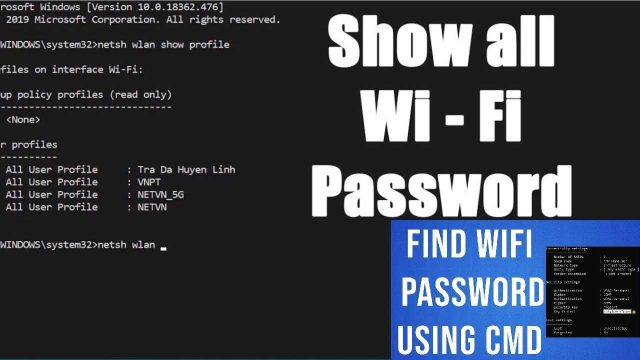
- For Windows: a tool like NirSoft WirelessKeyView (free) or the built-in netsh command
- For Mac: Time Machine backup or iCloud Keychain access
- For Android: a rooted device or a backup extraction tool like ADB
- Patience and a few minutes of your time
Step 1: Recover WiFi Passwords from a Windows Backup

If you have a Windows system image backup or a file backup from an older Windows installation, you can extract WiFi profiles directly. The easiest method is to use a free utility like NirSoft WirelessKeyView. Download it, run it as administrator, and it will instantly show all saved WiFi passwords from the current system. But if you’re pulling from a backup, you need to load the backup’s registry hive. Alternatively, you can use the netsh command to export WiFi profiles from a backup’s file location.
For a more manual approach, locate the backup folder containing the WindowsSystem32configRegBack folder. Copy the SAM, SECURITY, and SYSTEM files to a temporary folder. Then, use a tool like Password Recovery Toolkit or a live Linux environment to extract the hashes and crack them. This is advanced, but for most users, the dedicated tool route is faster.
Step 2: Recover WiFi Passwords from a Mac Time Machine Backup

If you use Time Machine on macOS, your WiFi passwords are stored in the Keychain. To recover them, enter Time Machine from the menu bar, navigate to /Library/Keychains/, and find the backup that contains your keychain file (usually named login.keychain-db). Restore that file to your current system, then open Keychain Access and search for your WiFi network. Double-click it, check the “Show password” option, and enter your admin credentials. If the keychain is password-protected and you remember that password, you’ll see the WiFi key.
Another method is to use iCloud Keychain sync. If your Mac was backed up via iCloud and you have another Apple device, you can often find saved passwords in iCloud settings. This works well if you don’t have a local backup.
Step 3: Recover WiFi Passwords from an Android Backup

Android stores WiFi passwords in a file called wpa_supplicant.conf, located in /data/misc/wifi/. If you have a full backup of your Android device (e.g., via ADB or a custom recovery like TWRP), you can extract this file. On a rooted device, you can simply open the file with a text editor. For non-rooted devices with a Google Drive backup, you can restore the backup to another Android device and then use a root file explorer or check after a restore. There are also tools like Android Backup Extractor that can parse backup files.
If you have a backup created with the built-in Android backup (adb backup), you can convert the .ab file to a .tar using Android Backup Extractor, then find wpa_supplicant.conf inside. Note that newer Android versions (9+) may encrypt the backup, requiring the backup password you set during creation.
Step 4: Use Dedicated Recovery Software

If you don’t want to dig through system files, dedicated WiFi password recovery tools can scan your backup and extract passwords automatically. For Windows, the best wifi password recovery software includes WirelessKeyView and the free wifi password recovery utility like Magical Jelly Bean Wi-Fi Password Revealer. For Mac, Keychain Access is built-in, but tools like iSecrets can help. For Android, WiFi Key Recovery (root needed) or Backup&Restore apps work. Always download from official sources to avoid malware. These tools are particularly useful if you have offline wifi password recovery solutions in mind.
Common Pitfalls
- Backup encryption: Many backups (especially Android and iOS) are encrypted with a password. If you don’t remember that backup password, you won’t be able to extract the WiFi passwords.
- Outdated backup: If you changed your WiFi password after the backup was created, the backup will contain the old password. In that case, this method won’t help.
- Permission issues: On Mac and Linux, some keychain or config files require root or administrator access. Running tools without proper elevation may fail to show passwords.
Where to Next
Now that you’ve recovered your WiFi passwords from backup, consider storing them in a password manager for easy access next time. If you need to recover passwords on a specific platform, check out our guides for wireless password recovery windows, how to find saved wifi password from keychain, and offline wifi password recovery solutions. Also, if you want to ensure your data stays safe, read about secure wifi password recovery tools. For a one-click fix, try the restore wifi passwords from backup method or our roundup of the best wifi password recovery software.