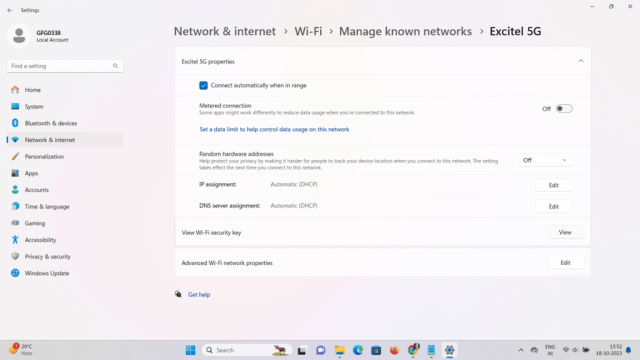
Ever been locked out of your own WiFi network because you forgot the password? It happens to the best of us. But if you’ve ever connected a computer or phone to that network before, there’s a good chance the password is still saved somewhere on that device. This guide is for anyone who needs to recover a WiFi password they’ve previously entered — no hacking skills required, just a few simple tools and a bit of patience.
By the end of this tutorial, you’ll know how to pull that password out of Windows, macOS, or Linux using built-in methods and a couple of trusted third-party programs. We’ll focus on legitimate, secure techniques so you can get back online without compromising your system. Ready? Let’s dive in.
What You’ll Need
- A computer that was previously connected to the WiFi network
- Administrator (Admin) privileges on that computer
- For Windows: a tool like NirSoft WirelessKeyView (free) or native CMD/PowerShell
- For macOS: Keychain Access (built-in) or Terminal
- For Linux: nmcli or a GUI network manager
- Optional: a USB drive if you want to transfer the password to another device
Step 1: Recover WiFi Password on Windows Using CMD or PowerShell
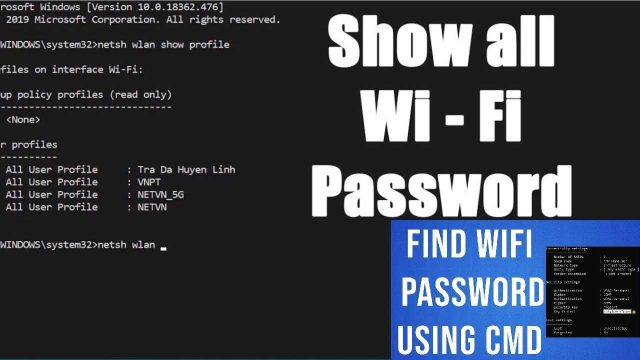
Windows stores all saved WiFi profiles, and you can extract the password with a single command. This is the quickest method and doesn’t require any third-party software. To recover WiFi passwords using CMD, open Command Prompt as Administrator by right-clicking the Start button and selecting ‘Command Prompt (Admin)’ or ‘Windows PowerShell (Admin)’.
First, list all saved profiles with: netsh wlan show profiles. Note the exact name (SSID) of the network you need. Then run: netsh wlan show profile name="YourSSID" key=clear. Look for the ‘Key Content’ field — that’s your password. For a more detailed walkthrough, check out our guide on how to show saved WiFi password in Windows using multiple methods.

If you prefer a graphical tool, the fast WiFi password recovery utility WirelessKeyView displays all saved passwords in a simple table. Just download it from NirSoft’s official site (it’s portable, no install needed), run it as Admin, and you’ll see every network with its password. Always download such tools from the official source to avoid malware.
Step 2: Recover WiFi Password on macOS Using Keychain Access
On a Mac, the Keychain app stores all your saved passwords. Open ‘Keychain Access’ from Utilities (or Spotlight search). In the search bar, type the name of your WiFi network (SSID). Double-click the entry, then check the box ‘Show password’ and enter your Mac’s admin credentials. The password will appear in plain text. For a command-line alternative, you can recover WiFi password on Mac using Terminal with the security find-generic-password command.
Note: If you’re on an older macOS version, the process is the same. The password is stored securely in your user account’s keychain. Make sure you’re logged in with the same account that originally saved the network.
Step 3: Recover WiFi Password on Linux Using nmcli
Most Linux distros use NetworkManager, and you can retrieve saved passwords via the terminal. Open a terminal and type nmcli -s connection show to list saved connections. Then run nmcli -s connection show "YourSSID" | grep 802-11-wireless-security.psk to see the password. If you prefer a GUI, many desktop environments have a network settings panel where you can view the password by checking ‘Show password’.
If you’re using an older tool like wpa_supplicant, the password is stored in the configuration file (usually /etc/wpa_supplicant/wpa_supplicant.conf). You’ll need root privileges to read it. Our guide on show wifi password linux covers both terminal and GUI methods in detail.
Step 4: Use Trusted Third-Party Tools for More Options
If built-in methods aren’t cutting it, there are reputable third-party utilities. For Windows, WirelessKeyView we already mentioned is excellent. For macOS, the built-in Keychain is usually enough. On Android, you can recover passwords if you have root access or use ADB commands (not covered here). Always compare options before downloading; check out this WiFi password recovery software comparison to pick a safe tool.
Another handy tool is the PowerShell-based script that automates extraction across multiple profiles. Our PowerShell WiFi password recovery tutorial walks you through a one-liner that exports all passwords to a text file. Remember: only use tools from official sites or trusted repositories to avoid security risks.

Common Pitfalls
- Running a tool without Administrator privileges: most recovery methods require admin rights. If you get an error, right-click and choose ‘Run as administrator’.
- Downloading sketchy software: many third-party ‘WiFi password crackers’ are malware. Stick to well-known tools like WirelessKeyView or official OS methods.
- Confusing SSID names: if multiple networks have similar names, make sure you select the correct one. Double-check the network name before recording the password.
Where to Next
Now that you’ve recovered your WiFi password, consider writing it down in a secure password manager so you never lose it again. If you need to access your router’s admin panel to change the password or troubleshoot, check out our guides on recovering passwords from specific routers like Netgear or Huawei. And remember, these techniques are for your own networks only — always respect others’ privacy.