Have you ever needed to connect a new device to your home WiFi but couldn’t remember the password? It happens to the best of us. This guide is for anyone who needs to recover a forgotten WiFi password securely, without relying on sketchy third-party tools. By the end, you’ll have your network key in hand using proven methods directly from your devices or router.
We’ll cover multiple recovery paths—checking the router sticker, logging into the admin panel, using Windows Settings or Keychain on macOS, and even a command-line trick for power users. Each method is safe, built-in, and respects your privacy. No downloads required. Let’s get started.
What You’ll Need
- Access to the WiFi network (even if you forgot the password, you can use a connected device)
- Admin username and password for your router (usually printed on the router)
- A Windows PC or Mac that is already connected to the network (or has previously connected)
- Optional: Command prompt or terminal access
Step 1: Check the Router Sticker

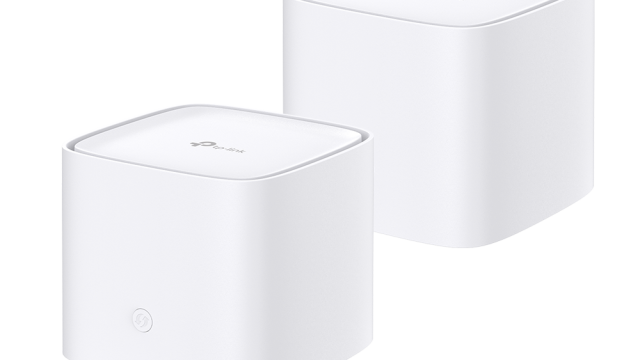
Before diving into software, look at your router. Most routers have a sticker on the bottom or back that lists the default SSID (network name) and password. If you never changed the password, this is your quickest recovery. Write it down or take a photo.
If the sticker is worn out or you changed the password, move to Step 2.
Step 2: Log into Your Router’s Admin Page

Open a web browser on a connected device and type your router’s IP address (commonly 192.168.1.1 or 192.168.0.1) into the address bar. Enter the admin username and password (if changed, use that; otherwise, check the sticker). Once logged in, navigate to the Wireless or WiFi settings section. The password (or network key) will be shown, often masked but with a “Show” option.
If you’ve forgotten the admin password, you may need to perform a factory reset (pinhole button) – but that’s a last resort.
Step 3: Recover from Windows Settings

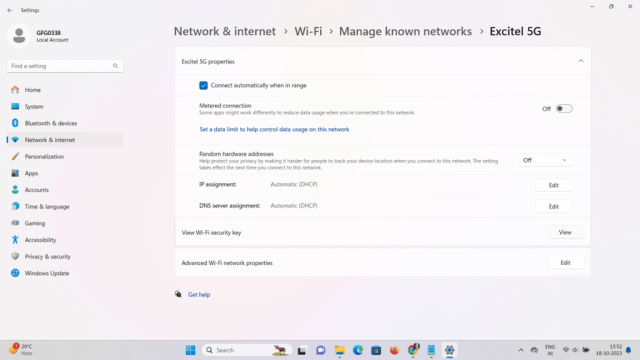
On a Windows PC that is already connected to the WiFi, go to Settings > Network & Internet > WiFi > Manage known networks. Select your network, click Properties, and then look for “View WiFi security key” under Network security key. Click it to reveal the password.
This method works for all Windows 10 and 11 versions.
Step 4: Recover from macOS Keychain

On a Mac that has previously connected to the network, open Keychain Access from Utilities. Search for your network name (SSID), double-click it, and check “Show password”. You’ll need to enter your Mac admin credentials to reveal it. This is a built-in, secure way to retrieve saved passwords. For more details, check out our dedicated guide on wifi password recovery via keychain.
Step 5 (Optional): Use Command Line (Windows PowerShell or macOS Terminal)

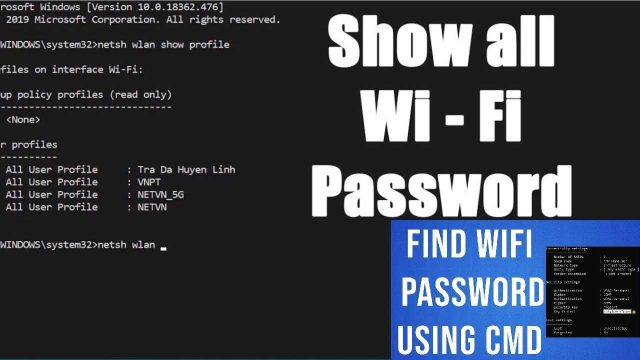
For Windows: Open PowerShell as admin and run `netsh wlan show profile name=”YourSSID” key=clear`. Look for “Key Content”. For macOS: Use `security find-generic-password -wa “YourSSID”` in Terminal. This gives you the password without any GUI. Our guide on wifi password recovery via powershell covers this in depth.
Common Pitfalls
- Entering the router IP incorrectly and landing on a non-existent page. Double-check the IP; if unsure, find it via `ipconfig` (Windows) or `networksetup` (Mac).
- Forgetting the router admin password. If you can’t log in, you may need to factory reset, which erases all custom settings. Try common defaults first.
- Using third-party “password recovery” software that may be malware. Stick with the built-in methods described here.
Where to Next
Once you have your password, consider backing it up securely. You can learn how to backup wifi passwords automatically to avoid this frustration next time. Also, if you have a specific router brand like TP-Link or Netgear, check our guides on wifi password recovery for tp link and wifi password recovery for netgear. For portable solutions, see free wifi password recovery portable. Keep your network secure with a strong, unique password.