Let’s be real—nobody enjoys squinting at the sticker on the back of a router, especially when it’s faded or tucked behind a desk. If you’ve ever backed up your router’s configuration (maybe your ISP made you do it during a tech support call) and then promptly forgot the WiFi password, you’re in luck. That encrypted backup file isn’t just dead weight; with the right tools, you can crack it open and pull out the exact network key you need.
This guide is for anyone who has a router configuration backup file (typically a .bin or .cfg file) and wants to extract the WiFi password without resetting the router. By the end, you’ll have your WiFi password in plain text, and you’ll know how to avoid the common hiccups that trip people up. No deep tech skills required—just a little patience and a free tool or two.
What You’ll Need
- Your router’s configuration backup file (e.g., config.bin or router.cfg).
- The router brand and model (e.g., TP-Link Archer C7, Netgear Nighthawk, etc.).
- A Windows PC (the best tools run on Windows; Mac users can try a virtual machine or Wine).
- A free decryption tool—we’ll use RouterPassView for most routers, or a brand-specific tool if needed.
- The router’s admin username and password (the one you log into the router’s web interface with—not the WiFi password). You’ll need this if the backup is doubly encrypted.
Step 1: Locate Your Router Backup File
First, find where the backup file lives. It might be on your desktop, in your Downloads folder, or even still on a USB stick from that ISP call. The file is usually named something like config.bin, backup.cfg, or settings.tar. If you haven’t exported a backup yet but you have admin access to the router, log into the router’s web interface (typically at 192.168.1.1 or 192.168.0.1), go to Administration or Maintenance, and look for Backup or Export Config. Save that file.

Step 2: Identify Your Router Brand and Model
Different routers use different encryption methods. RouterPassView handles most brands (TP-Link, D-Link, Linksys, Netgear, etc.), but some oddballs need specialized tools. Check the label on the router or the model number in the backup filename. Write it down—you’ll need it if the generic tool fails.

Step 3: Download and Run RouterPassView
Head over to Nirsoft’s website and download RouterPassView. It’s a portable tool—no installation needed. Just unzip it and run the .exe. Click File > Open Router Configuration File and navigate to your backup file. If the tool recognizes the format, it’ll immediately display all the saved Wi-Fi networks and their passwords (look for fields like “SSID” and “Key/Passphrase”).

Step 4: Handle Encrypted Backups (If Prompted)
Some routers encrypt the backup with the admin password. If RouterPassView prompts you for a password, enter the router’s admin password (the one you use to log into the web interface). If you’ve forgotten that too, you may need to reset the router—but that’s a different guide. If the backup decrypts successfully, you’ll see the WiFi password. Write it down or copy it somewhere safe.

Step 5: Alternative – Extract from a Windows System Backup
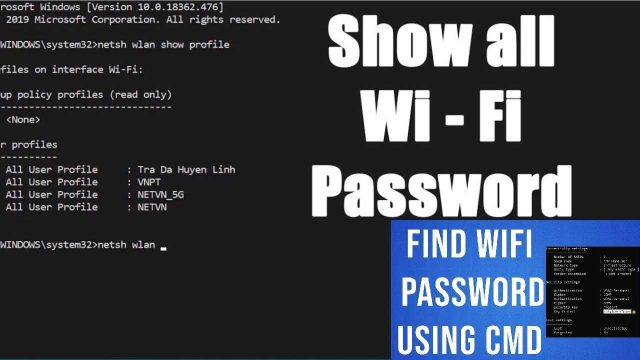
If your “encrypted backup” is actually a Windows system image or a full backup of your PC, you can still recover old WiFi passwords using the wifi password recovery command for windows method. Open a Command Prompt as Administrator and run netsh wlan show profiles to list saved networks, then netsh wlan show profile name="YourWiFi" key=clear to see the password. This works even on a restored backup if the network profile was preserved.

Common Pitfalls
- Backup file from a different router. If you swapped routers and kept an old backup, the password in that file is for the old network. Double-check the SSID matches your current one. For help with mismatched networks, check the wifi password recovery troubleshooting guide.
- Tool doesn’t support your router. Less common brands (e.g., Zyxel, Huawei) may not work with RouterPassView. Search for a brand-specific tool or try the saved wifi password recovery windows approach if you have another device still connected.
- Forgot the admin password too. Without the admin password, you can’t decrypt the backup. You’ll have to factory reset the router and set everything up fresh—but at least you can still use a wifi password recovery no router reset method if you have a device that’s still connected.
Where to Next
Now that you’ve recovered your WiFi password, consider saving it somewhere you won’t lose it again. You can use a password manager or export wifi passwords automatically from Windows for future-proofing. If you’re on the go, learn how to show wifi password powershell from any Windows device. And if this method didn’t work for you, don’t panic—there are plenty of other ways to get back online. Happy surfing!