We’ve all been there: a friend asks for the WiFi password, and your mind goes blank. You’ve typed it so many times your fingers remember the pattern, but your brain can’t recall a single character. Fortunately, if you have a device that’s already connected to the network—or access to the router—you can recover that password in minutes. This guide is for anyone who needs to get their WiFi password back without calling their ISP or resetting the router.
By the end of this tutorial, you’ll have the password in plain text, whether you’re using Windows, Mac, Android, or logging into your router’s admin panel from a browser. No special equipment or advanced skills required—just a few commands and clicks.
What You’ll Need
- A Windows PC, Mac, or Android device that is currently connected to the WiFi network you want to recover
- Access to the router’s web interface (optional, but useful if you don’t have a connected device)
- Administrator privileges on your computer (for Windows and Mac methods)
- The router’s IP address (usually 192.168.0.1, 192.168.1.1, or 10.0.0.1) if using the web method
- Router’s admin username and password (often printed on the router sticker or set by you)
Step 1: Recover WiFi Password on Windows Using Command Prompt
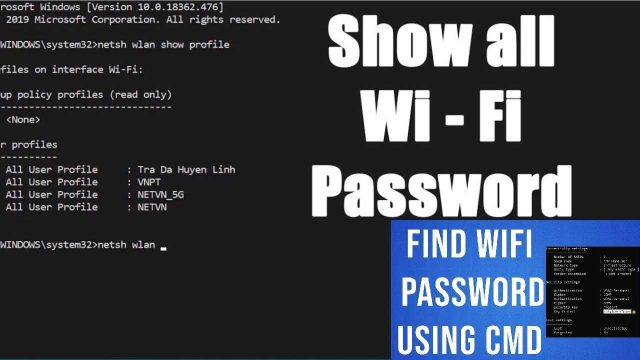
If you’re using a Windows laptop or desktop that’s already connected, this is the quickest method. Open Command Prompt as Administrator (search for ‘cmd’, right-click, and select ‘Run as administrator’). Then type the following command and press Enter:
Replace “YourWiFiName” with the actual SSID. Look for the line that says ‘Key Content’ — that’s your password. For a full list of saved networks, run ‘netsh wlan show profiles’. If you prefer a more graphical approach, check out our detailed guide on recover forgotten wifi password using cmd.

Step 2: Recover WiFi Password on Mac Using Terminal
On a Mac, open Terminal (from Applications > Utilities) and enter the following command:
You’ll be prompted for your Mac’s admin password (not the WiFi password). After entering it, the WiFi password appears in plain text. If you have multiple saved networks, you can list them with ‘security find-generic-password -l’ . For an even easier walkthrough, read our wifi password recovery command for mac guide.

Step 3: Recover WiFi Password on Android (Using QR Code or Settings)
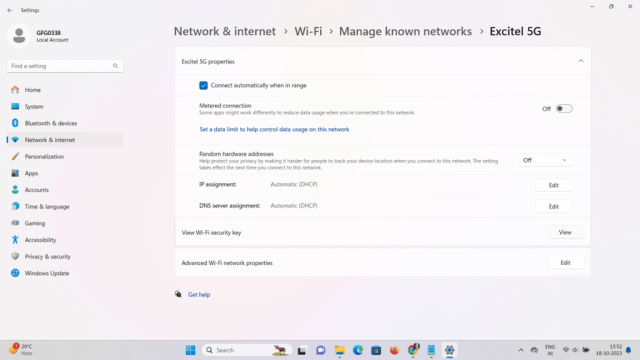
Android 10 and later have a built-in QR code feature. Go to Settings > Network & Internet > WiFi, tap the gear icon next to your network, and select ‘Share’. You’ll be asked to authenticate (fingerprint, PIN, etc.). A QR code appears—you can scan it with another phone to connect, or the password is usually shown below the code. On older Android devices, you may need root access and a file explorer to view the wpa_supplicant.conf file. If you need more details, check our guide on find saved wifi password android.

Step 4: Recover WiFi Password from Router’s Web Interface (Online)
If you have physical access to the router or can access it via the network, this is the most universal method. Open a web browser and enter the router’s IP address (commonly 192.168.1.1 or 192.168.0.1). Log in with the admin credentials (often ‘admin’ for both username and password, or printed on the router sticker). Once logged in, look for a ‘Wireless’ or ‘WiFi’ section. The password is listed as ‘Pre-Shared Key’, ‘Passphrase’, or ‘Security Key’. Different brands have slightly different layouts—for example, our guide on recover wifi password from netgear router shows the exact steps for Netgear devices.

Step 5: Use PowerShell for Advanced Recovery (Windows)
If you’re comfortable with scripting, PowerShell can extract all saved WiFi passwords at once. Open PowerShell as Administrator and run:
This outputs a table with SSIDs and passwords. For a comprehensive tutorial, see our wifi password recovery powershell tutorial. You can also export these passwords to a CSV file using the method described in export wifi passwords to csv.

Common Pitfalls
- Forgetting the router admin password: If you changed it and can’t remember, there’s usually a reset button on the router that restores factory defaults. Keep in mind this wipes all custom settings. Alternatively, check our guide on show wifi password windows for a non-router method.
- Using the wrong command syntax: A single typo in CMD or Terminal will return an error. Double-check the SSID spelling and use quotes if the name has spaces. For example, ‘netsh wlan show profile name=”My WiFi” key=clear’.
- Lack of administrator rights: On a work or school computer, you might not have admin access. In that case, try the router web interface method or ask your IT department.
Where to Next
You’ve successfully recovered your WiFi password online. Now that you have it, consider writing it down or using a password manager to avoid this headache in the future. If you want to explore more advanced techniques like recovering passwords from specific router brands or automating backups, check out our other tutorials on wifi password recovery. And if you ever need to share access without revealing the password, look into guest networks or Wi-Fi QR codes.