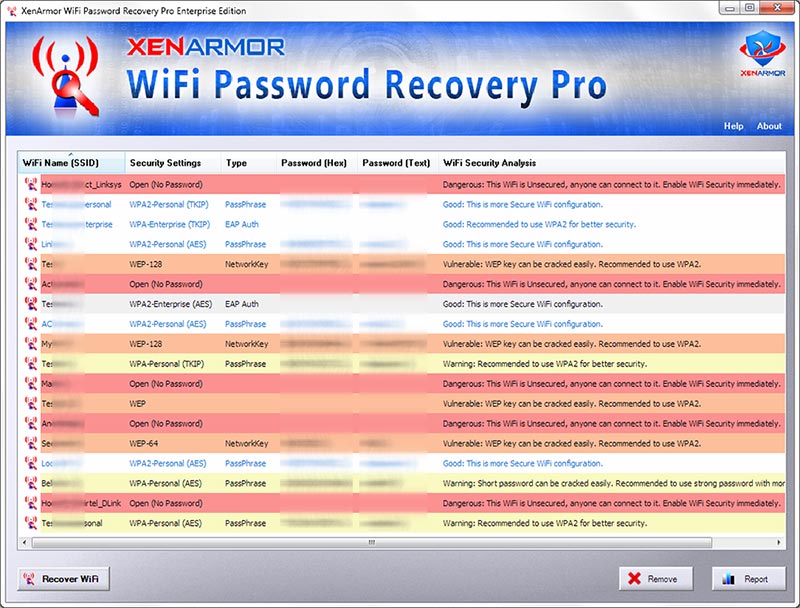
Ever had that moment where a friend asks for your WiFi password and you draw a blank? Or you get a new device and can’t remember the 20-character mess you set up years ago? You’re not alone – and the good news is you don’t need to reset your router or call your ISP. With the right forgotten wifi password recovery software, you can pull that password out of your device’s memory in minutes. This guide is for anyone who has access to a computer or phone that’s already connected to the network but can’t recall the password.
By the end of this tutorial, you’ll know exactly which tools to download, how to run them safely, and how to retrieve your password on Windows, Mac, Linux, and even Android. We’ll cover both standalone software and built-in system tools, so you have a backup plan if one method doesn’t work. Let’s dive in and never get locked out again.
What You’ll Need
- A computer or device that is currently connected to the WiFi network (or has been in the past).
- Administrator or root access on that device (usually your own personal device).
- Internet connection to download the recovery software (only if needed; offline tools exist).
- A USB drive if you plan to use a portable recovery tool on someone else’s computer.
- Patience – most tools work in under 2 minutes.
Step 1: Choose and Download a Reputable Recovery Tool
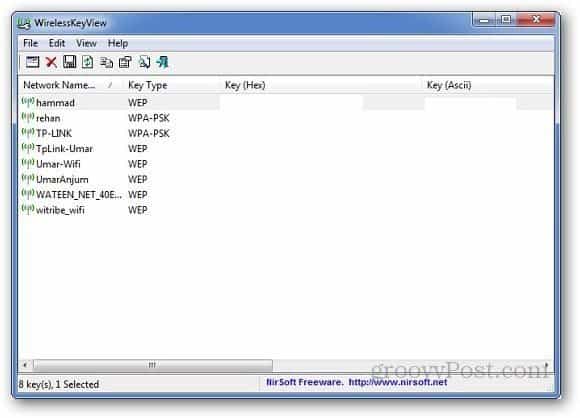
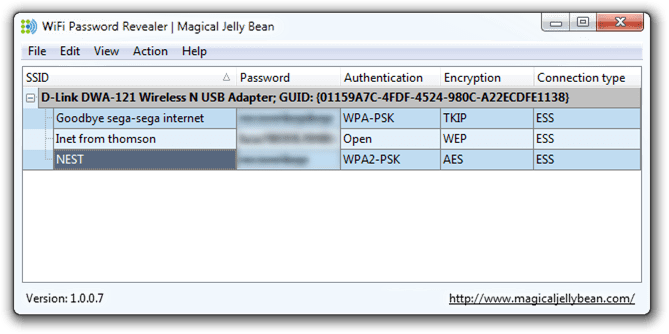
Not all recovery software is created equal. Some are packed with adware or even malware. Stick with well-known tools like WirelessKeyView (Windows), WiFi Password Revealer (Mac), or Wifite (Linux). For a safe option that works without internet, check out our wifi password recovery software offline guide. Download only from official sources or trusted repositories.
Step 2: Run the Software as Administrator
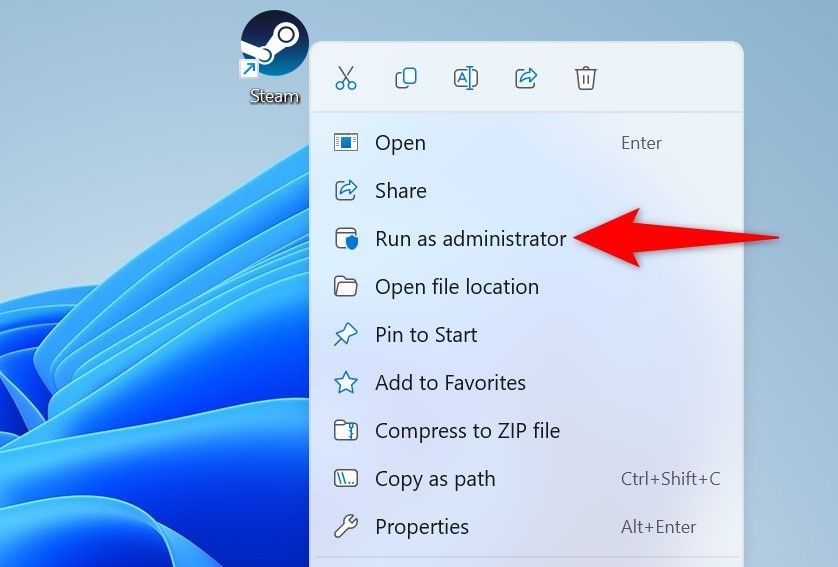
To access stored passwords, the tool needs elevated privileges. On Windows, right-click the executable and select ‘Run as administrator’. On Mac/Linux, you’ll need to use sudo from the terminal. If you’re on a corporate network, you might need permission – see our wifi password recovery on enterprise network guide for special cases.
Step 3: Scan for Saved Networks and View Passwords
Once the software opens, it will automatically scan the system’s wireless profiles. In seconds, you’ll see a list of all networks your device has ever connected to, along with their passwords (usually in plain text or displayed behind a ‘show password’ button). For example, WirelessKeyView lists the SSID, key type, and hex/ASCII password. Write it down or copy it securely.
Step 4: Use Built-In Tools as an Alternative
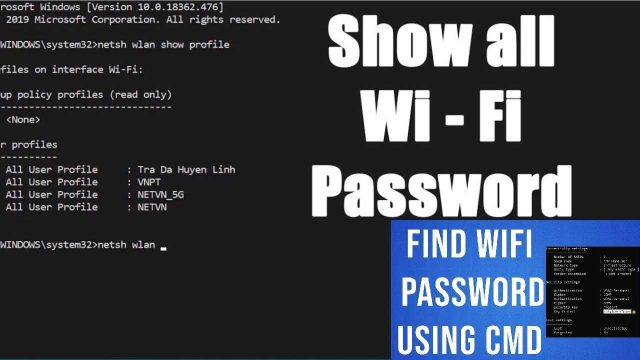
If you’re wary of third-party software, your operating system likely has built-in methods. On Windows, you can use Command Prompt with the netsh command – follow our wifi password recovery tutorial cmd for exact steps. Mac users can dive into Keychain Access – our wifi password recovery with mac keychain guide walks you through it. Linux users can check the Network Manager connection files – see the show wifi password network manager tutorial.
Step 5: Recover Passwords on Mobile Devices
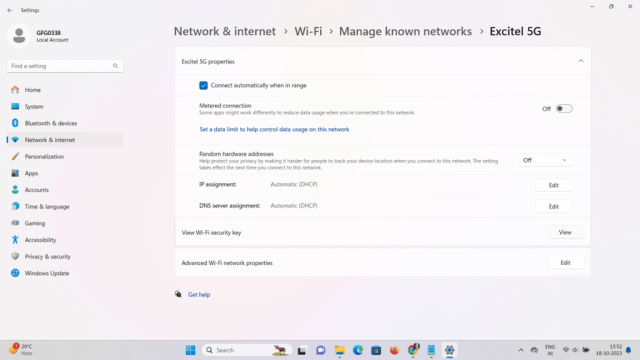
On Android (9 and later), you can view the password directly in the WiFi settings. Go to Settings > Network & Internet > WiFi, tap the connected network, and select ‘Share’. A QR code appears, and the password is shown below it. For older versions or more advanced needs, check out our saved wifi password recovery android guide. iOS doesn’t natively show passwords, but if you use iCloud Keychain, you can find them on a Mac synced to the same account.

Common Pitfalls
- Antivirus false positives: Many recovery tools are flagged as ‘hack tools’ by antivirus software. This doesn’t mean they’re dangerous, but you may need to temporarily disable real-time protection or add an exception. Always verify the tool’s reputation first.
- Lack of admin rights: If you’re on a work or school computer, you probably don’t have administrator privileges. In that case, built-in methods won’t work either. Use a portable tool on a USB drive or ask your IT department for the password.
- Software only recovers saved passwords: These tools cannot crack or brute-force a network. They only extract passwords already stored on your device. If no device has ever connected, you’ll need to reset the router or check the sticker on the router itself.
Where to Next?
Now that you’ve recovered your password, consider writing it down in a safe place or using a password manager. For more advanced techniques, explore our wifi password recovery methods guide for a comprehensive list. If you’re on Windows and prefer a graphical approach, our find saved wifi password on pc tutorial is perfect. And remember – these tools are meant for recovering your own passwords, not for unauthorized access. Stay secure and never get locked out again!