Ever been locked out of your own WiFi because you forgot the password? Don’t worry — if you have physical access to your router, you can pull that password straight from the admin panel. This guide is for anyone who’s already tried checking the sticker on the router or asking their roommate, with no luck. By the end, you’ll have your WiFi key back, no hacking skills required.
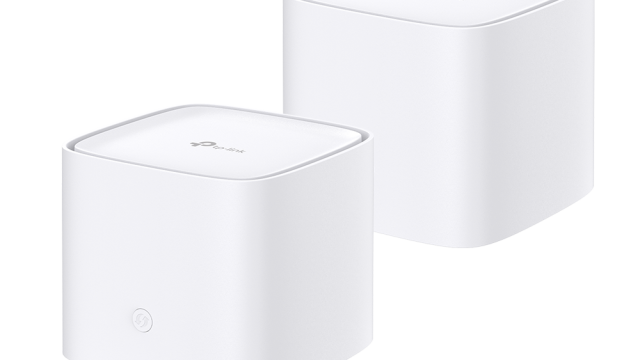
We’ll walk through finding your router’s IP address, logging into the admin interface, and locating the wireless security settings where the password is displayed — for both Windows and Mac. If you’re looking for other methods, check out our WiFi password recovery ultimate guide for more options.
What You’ll Need
- A computer or phone connected to your WiFi (or an Ethernet cable)
- Your router’s admin username and password (check the sticker on the router)
- A web browser (Chrome, Safari, etc.)
- About 5 minutes of patience
Step 1: Find Your Router’s IP Address
The router’s IP address is like its home address on your network. Most routers use 192.168.0.1 or 192.168.1.1, but let’s confirm. On Windows, open Command Prompt, type ipconfig, and look for ‘Default Gateway’ under your active connection. On Mac, go to System Settings > Network > your connection > Details > Router. That’s the IP you’ll use.

Step 2: Log In to the Router Admin Panel
Open your browser and type the IP address into the address bar (e.g., 192.168.1.1). Hit Enter. You should see a login page. Enter the admin username and password. If you haven’t changed them, try ‘admin’ for both, or check the sticker on your router. If that fails, you may need to reset the router — but first, see if you can recover your personal WiFi password from a connected device.

Step 3: Navigate to Wireless Settings
Once logged in, look for a section labeled ‘Wireless’, ‘WiFi’, ‘Network’, or ‘Security’. Every router menu is a little different. On TP-Link routers, it’s under ‘Wireless’ > ‘Wireless Security’. On Netgear, look for ‘Advanced’ > ‘Setup’ > ‘Wireless Settings’. Explore until you find where the password is shown.

Step 4: View or Reveal the WiFi Password
In the wireless security section, you’ll see a field like ‘Passphrase’, ‘Pre-Shared Key’, or ‘Network Key’. The password is usually hidden behind dots, but there’s often a ‘Show’ checkbox or eye icon. Click it to reveal the password. Write it down or take a photo. If you can’t see an option to show, the text might already be visible — sometimes it’s just displayed in plain text.

Common Pitfalls
- Forgot the admin password: If you never changed it, try default credentials from the sticker. If you did and forgot, you’ll need to factory reset the router (hold the reset button 10 seconds). That erases all settings, so only as a last resort.
- Can’t find the IP: If the usual IPs don’t work, your router might use a different one. Check your computer’s network settings or look up your router model online. On Windows, you can also try
ipconfigin Command Prompt. - Router admin page won’t load: Try connecting via Ethernet cable instead of WiFi. Also disable any VPN or firewall temporarily. If still no luck, your router might have a different port (try adding :8080 to the IP).
Where to Next
Now that you’ve recovered your password, consider saving it in a password manager or writing it down somewhere safe. If you ever lose access again, you can always recover WiFi password from backup or use other methods like view saved WiFi passwords on Mac. For Windows users, check out our WiFi password recovery after a Windows update guide. And if you prefer not to log into the router, try free WiFi password recovery with no install.