Did a Windows update just wipe your saved WiFi networks? You’re not alone. After big updates, Windows sometimes forgets your network profiles, leaving you scrambling for that password you haven’t typed in years. This guide is for anyone who needs a quick, no-hassle way to recover their WiFi password without resetting the router or begging the admin. By the end, you’ll have your password back using built-in Windows tools or a simple PowerShell command. Best of all, this is a free WiFi password recovery no install solution—no third-party software required.
We’ll cover three methods: the classic Control Panel approach, a quicker Command Prompt trick, and a heavyweight PowerShell option that can export all your saved networks at once. Whether you’re a beginner or a power user, you can recover WiFi password without reset and get back online in minutes.
What You’ll Need
- A Windows PC that has connected to the WiFi network before (even if the update broke the profile)
- Administrator access (you’ll need to run some tools as admin)
- A USB drive or cloud storage if you plan to export passwords for backup (optional)
- About 10 minutes of patience

Step 1: Recover Your WiFi Password via Control Panel
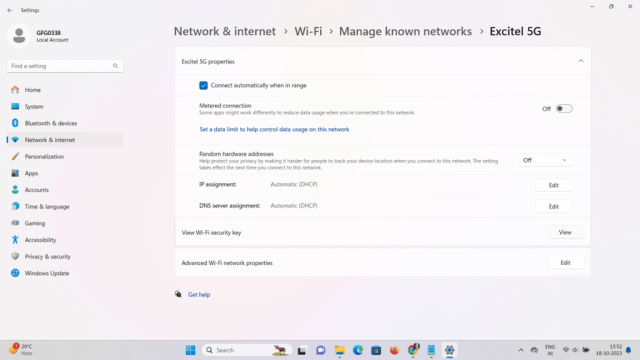
This is the easiest method if the network profile still exists on your PC (even if it’s not currently connected). Open the Control Panel by searching for it in the Start menu. Click on ‘Network and Internet’ and then ‘Network and Sharing Center’. Find your active WiFi network (it’ll have a blue link next to ‘Connections’) or click ‘Manage known networks’ to see a list.

Click the blue link for the WiFi network (e.g., ‘WiFi (YourNetworkName)’). In the pop-up, click the ‘Wireless Properties’ button. Go to the ‘Security’ tab and check the box ‘Show characters’. Your WiFi password will appear in the ‘Network security key’ field. Write it down or take a photo. Done!

Step 2: Recover WiFi Password via Command Prompt (Quick Method)
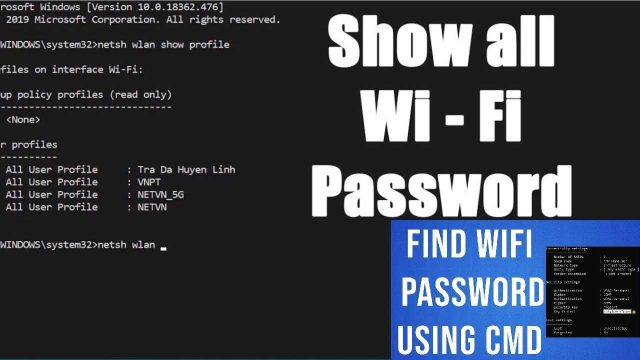
If the Control Panel method fails or you just prefer the command line, boot up Command Prompt as Administrator. Press Windows key + X, select ‘Command Prompt (Admin)’ or ‘Windows Terminal (Admin)’. Type the following command and hit Enter:
This lists all saved WiFi profiles on your system. Find the network you need, then run:
Replace ‘YourNetworkName’ with the exact name from the list. Look for the line ‘Key Content’ under ‘Security settings’—that’s your password. This works even if the profile is corrupted after an update, because we’re reading the stored credential. For a more automated approach, you can use our handy PowerShell script that does the same thing.
Step 3: Recover WiFi Password via PowerShell (Batch Export)
Need to recover multiple passwords or want to back them up for future updates? PowerShell makes it easy to export all WiFi passwords at once. Open PowerShell as Administrator (right-click Start, select ‘Windows PowerShell (Admin)’). Copy and paste this command:
This creates a CSV file on your desktop with every saved network and its password. You can open it in Notepad or Excel. This is a great way to export all WiFi passwords for safekeeping. If you prefer a simpler approach, check out our dedicated guide on WiFi password recovery with cloud sync to keep your credentials synced across devices.

Common Pitfalls
- The update removed the profile completely: If netsh shows no profiles, you may need to ask the router admin or use a physical label on the router. In that case, you might want to view saved WiFi password without admin if another device still has it.
- You don’t have admin rights: Some school or work PCs restrict access. The netsh commands require elevation, but if you don’t have admin, try using a previously connected device like a phone to recover the password.
- The password shows as blank or ‘None’: This usually means the network uses WPA-Enterprise or PEAP, which doesn’t store a simple password. You’ll need to contact your network admin.

Where to Next
Now that you’ve got your password back, take a moment to back it up. Use the PowerShell export method to keep a copy, or consider WiFi password recovery with cloud sync so you never lose it again. If you’re still having trouble, our guide on recover WiFi password without reset covers alternative methods for stubborn networks. And if you’re on a different device, check out our tutorials for phones and tablets. Stay connected!