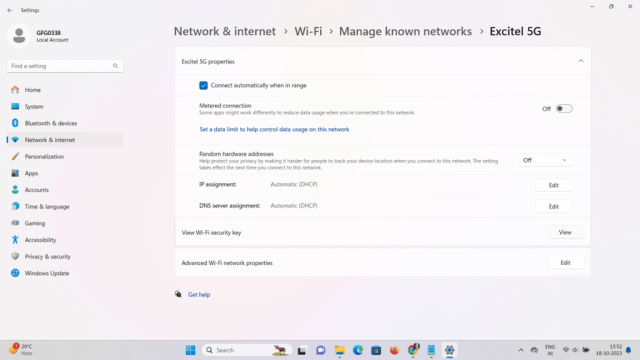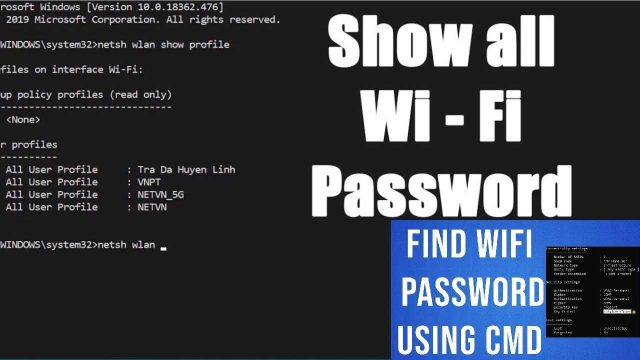
Ever been locked out of your own WiFi because you forgot the password? It happens to the best of us. But before you crawl under the desk to reset your router, there’s a smarter way: dig into your backups. Whether you’re on Windows, Mac, or Android, your old backups often contain the exact network key you need. In this guide, I’ll show you how to recover your WiFi password from system backups—no router resets, no guesswork.
By the end, you’ll have your password in plain text, ready to share or save. We’ll cover Windows registry backups, macOS Keychain backups, and Android backup files. If you’ve ever used a backup tool or synced your phone to a computer, chances are your WiFi password is hiding in there. Let’s get it back.
What You’ll Need
- A backup file from the device that previously connected to the WiFi network (e.g., Windows Registry backup, macOS Keychain backup, Android backup on PC).
- For Windows: a text editor like Notepad and a tool like NirSoft’s WirelessKeyView or PowerShell (see our wifi password recovery powershell script for a quick method).
- For Mac: Terminal access and your system password for Keychain Access.
- For Android: a backup file from a Samsung, Google Pixel, or another Android phone (usually a .ab file or extracted folder).
- A USB cable (if transferring backup from phone to computer).
- Patience—some steps involve a little command-line work.
Step 1: Recover WiFi Password from a Windows Backup
Windows stores WiFi passwords in the registry under HKEY_LOCAL_MACHINESOFTWAREMicrosoftWindows NTCurrentVersionNetworkListProfiles. If you have a backup of your Windows registry (like from a system restore point or a manual export), you can extract the password. Here’s how.
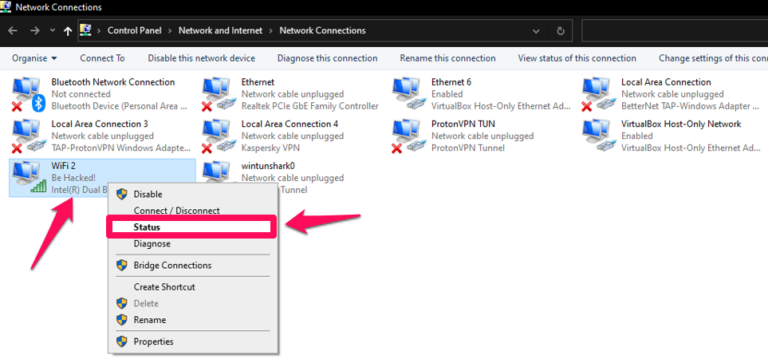
First, open your backup registry file (usually a .reg file or a hive file like SOFTWARE). If it’s a .reg file, simply right-click and select Edit to view it in Notepad. Search for ‘ProfileName’ and note the GUID next to your WiFi network. Then look for a key named ‘SharedKeyContent’ under that same profile—that’s your password in plaintext (on Windows 10/11 it’s often readable). If the backup is a registry hive (like from Windows ‘System32config’), you’ll need to load it using regedit: open regedit, select HKEY_LOCAL_MACHINE, click File > Load Hive, browse to the hive file, give it a name, then navigate to the profiles path. Once done, unload the hive. Copy down the password.
If you prefer a no-install method, check out our free wifi password recovery no install guide—it covers tools that work on backups too.
Step 2: Recover WiFi Password from a macOS Backup (Keychain)
On a Mac, WiFi passwords are stored in the Keychain. If you have a Time Machine backup, you can restore the Keychain file and extract the password. First, locate your backup and navigate to /Users/[YourUsername]/Library/Keychains/. Look for a file named login.keychain-db (or login.keychain on older macOS). Copy it to your Mac’s desktop.
Now open Terminal and run: security dump-keychain -d login.keychain-db | grep -A 10 ‘AirPort’ (or whatever your WiFi network name is). You’ll be prompted for your Mac login password (the one for the backup user). After that, look for ‘password: “…”‘ in the output—that’s your WiFi key. If you don’t have the backup user’s password, you’ll need to use a different method. For a deeper dive, see our wifi password recovery ultimate guide.
Step 3: Recover WiFi Password from an Android Backup
Android phones often back up WiFi passwords to Google’s servers or to local backup files. If you have an Android backup file (like a .ab file from Samsung Smart Switch or a Google Drive backup), you can extract the wpa_supplicant.conf file which holds all saved networks and passwords.
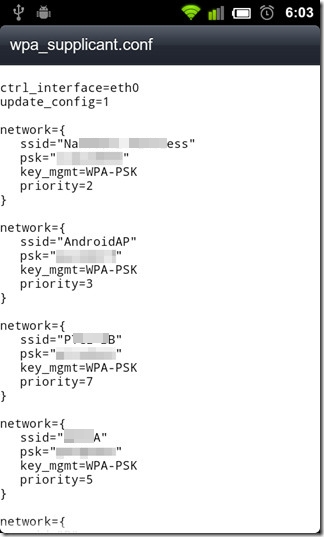
To extract, use Android Backup Extractor (abe) tool. Download it, then run: java -jar abe.jar unpack backup.ab backup.tar (replace with your file names). This will create a tar archive. Extract it and navigate to apps/com.android.providers.settings/databases/ or look for a folder named wifi. Inside, you should find a file called wpa_supplicant.conf. Open it in a text editor—each network is listed with a psk= line. That’s your password. For Samsung phones, you can also use the ‘view saved wifi password android‘ method directly, but from a backup this works even if the phone is wiped.
If you’re tech-savvy, you can also automate this with our wifi password recovery powershell export for Windows-based extraction.
Common Pitfalls
- Backup encryption: Many backups (like Android .ab files) are encrypted with a password you set during backup. Without that password, you can’t extract the content. Always try the default or most common password you use.
- Mismatched OS versions: A registry backup from Windows 7 might not load properly in Windows 10. Use a virtual machine or a live USB with the matching OS to load the hive.
- Corrupted backup files: If your backup is partially damaged (e.g., from a failing hard drive), you might get only fragments. In that case, try data recovery software or use a previous backup version.
Where to Next
Recovering a WiFi password from a backup is a lifesaver, but it’s not the only way. If you don’t have a backup, check out our guide on how to recover wifi password without reset directly from your current device. For Windows users, the wifi password recovery powershell script can pull passwords without any backup. And if you have multiple devices, consider using cloud sync to never lose a password again. Stay connected!