Ever had that moment where a friend asks for the WiFi password and you draw a complete blank? You’ve typed it hundreds of times, but your brain just won’t cough it up. Don’t worry—your laptop remembers. Whether you’re on Windows or macOS, you can dig that password out of your system in a few clicks or commands. No need to reset your router or call your ISP. By the end of this post, you’ll have the password saved and ready to share.
This guide is for anyone who’s already connected to the WiFi network on their laptop and just needs to view the saved password. You don’t need to be a tech wizard—we’ll walk through both the graphical and command-line methods. Let’s get that password back.
What You’ll Need
- A Windows or Mac laptop that is currently connected to the WiFi network (or has connected in the past).
- Administrator access on the laptop (you’ll likely have this if it’s your personal machine).
- Optional: A USB drive if you want to export passwords for backup (but not required for recovery).
Step 1: Recover WiFi Password on Windows Using Network Settings
This is the easiest method for Windows users. It works on Windows 10 and 11.
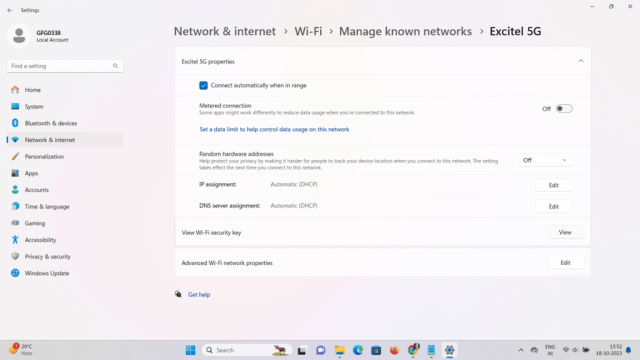
First, click the WiFi icon in the system tray (bottom-right corner). Then click “Network & Internet settings” (or “Open Network & Internet settings” in Windows 11). In the settings window, click “Status” on the left, then scroll down and click “Network and Sharing Center”. In the Network and Sharing Center, click the name of your WiFi network (it’s a blue link next to “Connections”). A new window will pop up—click the “Wireless Properties” button. Switch to the “Security” tab and check the box that says “Show characters”. Boom—your WiFi password appears in the “Network security key” field.

Step 2: Recover WiFi Password on Windows Using Command Prompt
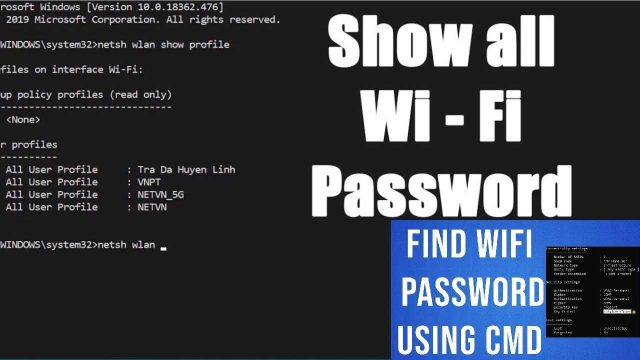
If you prefer the command line, this method is faster and lets you list all saved networks. Open Command Prompt as Administrator (search for “cmd”, right-click, and select “Run as administrator”). Type the following command and press Enter:
netsh wlan show profiles
Command Prompt
This lists every WiFi network your laptop has ever connected to. Find the one you need, then type:
netsh wlan show profile name=”YOUR_NETWORK_NAME” key=clear
Command Prompt
Replace YOUR_NETWORK_NAME with the actual SSID. Scroll down to “Key Content”—that’s your password. For an even easier approach, check out our PowerShell method, which can export all passwords at once.

Step 3: Recover WiFi Password on Mac Using Keychain Access
On macOS, all your saved passwords live in the Keychain. Open Keychain Access (search with Cmd+Space, type “Keychain Access”). In the search bar at the top, type your WiFi network’s name. Double-click the result that appears under “AirPort network password” (or similar). A window will pop up—check the box “Show password”. You’ll be asked for your Mac’s login password (or Keychain password). Enter it, and the WiFi password is revealed.

If you’re on a newer MacBook and need a quicker way, we have a separate quick MacBook recovery method that skips some steps.
Step 4: (Optional) Export All WiFi Passwords on Windows Using PowerShell
If you want to back up all your saved WiFi passwords at once, PowerShell is your friend. Run PowerShell as Administrator (search for “PowerShell”, right-click, and select “Run as administrator”). Then paste this script:

Common Pitfalls
- **Not running as Administrator**: On Windows, if you don’t run Command Prompt or PowerShell as admin, you’ll get an error or see no key content. Always right-click and choose “Run as administrator”.
- **Spelling the network name wrong**: The network name (SSID) is case-sensitive. If you mistype it, the command will say “Profile is not found”. Double-check the spelling from the profile list.
- **Forgotten Mac login password**: Keychain Access asks for your Mac’s login password. If you’ve forgotten that, you won’t be able to view the WiFi password. Use the Windows method or our easy recovery method that doesn’t require the Keychain password.
Where to Next?
Now that you’ve recovered your password, you can share it with friends or save it somewhere safe. If you need a full backup of all your stored WiFi credentials, check out our laptop WiFi recovery guide for more advanced techniques. For Mac users, our Mac WiFi password recovery guide covers edge cases like macOS updates. And if you prefer a purely graphical tool, our step-by-step guide walks you through every click. Thanks for reading—hopefully you’ll never be stuck without WiFi again.