So you changed your WiFi password to something ‘secure’ and now you can’t remember it. It happens to the best of us. Maybe you wrote it down on a sticky note that fell behind the desk, or you thought you’d remember it but didn’t. This guide is for anyone who has a device still connected to the network, or access to the router, and wants to recover that new password without resetting everything. By the end, you’ll have your WiFi password back and be able to connect new devices.
We’ll cover several methods: checking the router’s admin interface, finding saved passwords on Windows, macOS, or iPhone, and using PowerShell for a quick recovery. No need to factory reset or call your ISP.
What You’ll Need
- A device already connected to your WiFi network (or physical access to the router)
- Router admin login credentials (usually on a sticker on the router)
- A web browser, or a terminal/PowerShell on Windows or macOS
- For iPhone: a Mac with iCloud Keychain synced, or a recent iOS version
Step 1: Check the Router Sticker or Web Interface
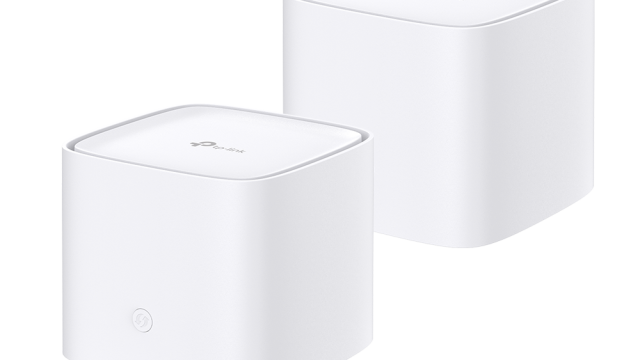
The easiest way is often overlooked: your router’s sticker. But since you changed the password, the sticker shows the old default. So let’s log into the router. Connect a device via Ethernet or WiFi (if still connected). Open a browser and type your router’s IP address (commonly 192.168.1.1 or 192.168.0.1). Enter the admin username and password (often ‘admin’/’admin’ or on the sticker). Once inside, look for Wireless or WiFi settings. The current password (SSID key) will be displayed. Write it down.

Step 2: Recover from a Windows PC (Already Connected)
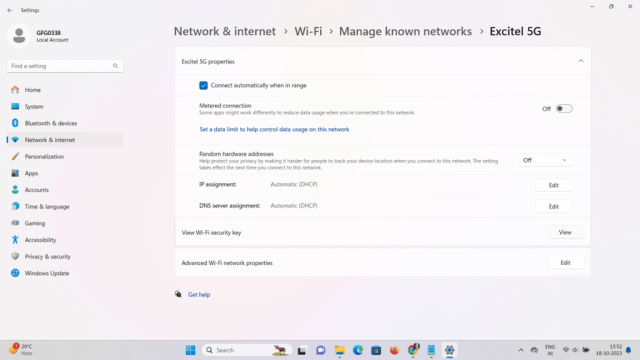
If you have a Windows laptop or desktop that’s still connected to the WiFi, you can pull the password from saved credentials. Go to Settings > Network & Internet > WiFi > Manage known networks. Click on your network, then select Properties. Under ‘View WiFi security key’, click Show. That’s your password. For a faster method, use PowerShell as detailed in our saved wifi password recovery windows guide.

Step 3: Use PowerShell to Export Passwords
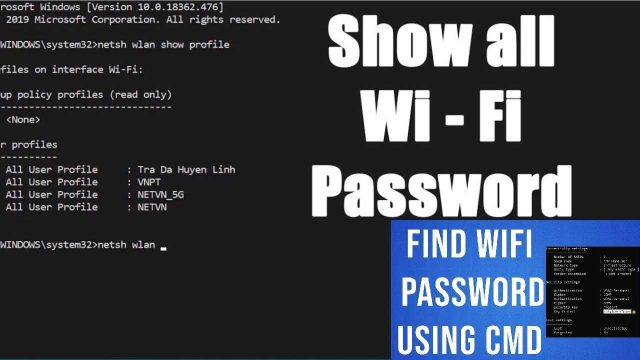
Want to see all saved WiFi passwords at once? Open PowerShell as Administrator and run: netsh wlan show profile name="YourNetworkName" key=clear. Replace YourNetworkName with your SSID. Look for ‘Key Content’. This works on any Windows machine and is often the fastest method. For more details, see our show wifi password powershell article.

Step 4: Recover from macOS Keychain
On a Mac connected to the network, open Keychain Access (from Applications > Utilities). In the search box, type your network name. Double-click the entry for your WiFi. Check ‘Show password’. You’ll need your Mac’s admin password. The WiFi password will appear. This is one of the easiest wifi password recovery methods for Mac users.

Step 5: iPhone Password Recovery via iCloud Keychain
If you have an iPhone that’s connected, and you use iCloud Keychain, you can find the password on a Mac (as above) or on the iPhone itself (iOS 16+). Go to Settings > WiFi, tap the (i) next to your network, then tap Password and authenticate with Face ID. For older iPhones, you’ll need a Mac. Check our find saved wifi password iphone guide for more.
Step 6: Last Resort – Reset the Router
If none of the above work and you can’t access the router admin (e.g., forgot admin password), you may need to factory reset. Press and hold the reset button on the router for 10 seconds. This wipes all settings, including the new WiFi password, reverting to the default on the sticker. You’ll need to set up your network again. This is not ideal, but it’s a sure way. For a no-reset approach, see wifi password recovery no router reset.
Common Pitfalls
- Forgetting the router admin password – if you changed that too and didn’t note it, you’re stuck unless you reset the router.
- No device currently connected – then the saved password method won’t work. You’ll need physical access to the router.
- Router sticker shows old default password – don’t be fooled. Always log into the admin interface to see the current password.
Where to Next
Now that you have your password back, consider writing it down in a secure place (like a password manager). If you ran into issues, our wifi password recovery troubleshooting guide can help. And if you ever need to recover passwords from other devices, check out our router wifi password recovery guide for more tips.