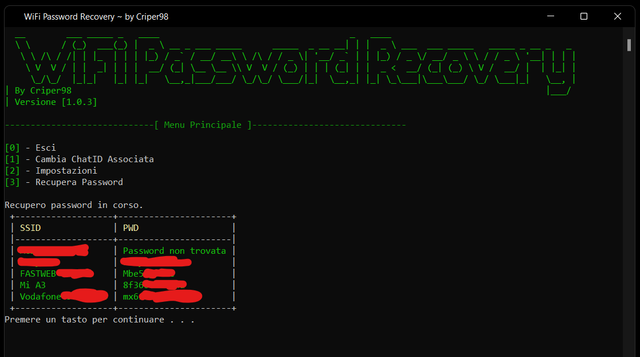
Ever needed to log into a WiFi network but completely blanked on the password? You’re not alone. Maybe you got a new device, or a friend asked for the password, and all you’ve got is a laptop that already connects automatically. Good news: if you’re on Windows, macOS, or Linux, the network’s password is likely stored on your machine. And thanks to some awesome open-source projects on GitHub, you can retrieve it in a few clicks — no router reset required.
This guide is for anyone who wants a quick, free, and safe way to recover saved WiFi passwords without paying for sketchy software. By the end, you’ll know exactly which GitHub tools to grab, how to run them (even as a beginner), and how to avoid common antivirus hiccups. We’ll focus on tools like WirelessKeyView for Windows, WiFi Password Revealer for macOS, and wavemon for Linux — all open source, all effective.
What You’ll Need
- A computer running Windows, macOS, or Linux that has connected to the WiFi network before.
- Admin/root access to that computer (you’ll need to run the tool with elevated privileges).
- A web browser to download the software from GitHub.
- Basic comfort with unzipping files and double-clicking executables.
- Optional: a USB drive if you want to save the password export to another device.
That’s it. No coding skills needed, though familiarity with GitHub will help you navigate the releases page.
Step 1: Find the Right Tool on GitHub
Head over to GitHub and search for the tool that matches your operating system. For Windows, the most popular is WirelessKeyView by NirSoft (yes, it’s on GitHub mirrors). For macOS, try “WiFi Password Revealer” or “Airport” utility scripts. For Linux, tools like “wavemon” or “nmcli” can show saved passwords. Just type something like “WirelessKeyView GitHub” into your search engine and pick a reputable repository.
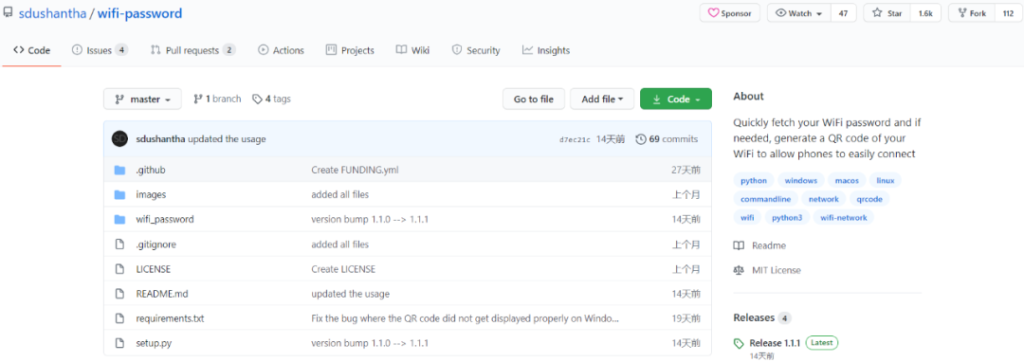
Don’t overthink it — stick to repos with many stars and recent updates. You can also check out our guide on saved wifi password recovery software for more curated options.
Step 2: Download the Software
Once you’re on the repo, find the “Releases” tab — usually on the right sidebar or near the top. Click it to see the latest version. Look for a downloadable file: a .zip for Windows, a .dmg for macOS, or a .tar.gz for Linux. Download it to your Downloads folder.
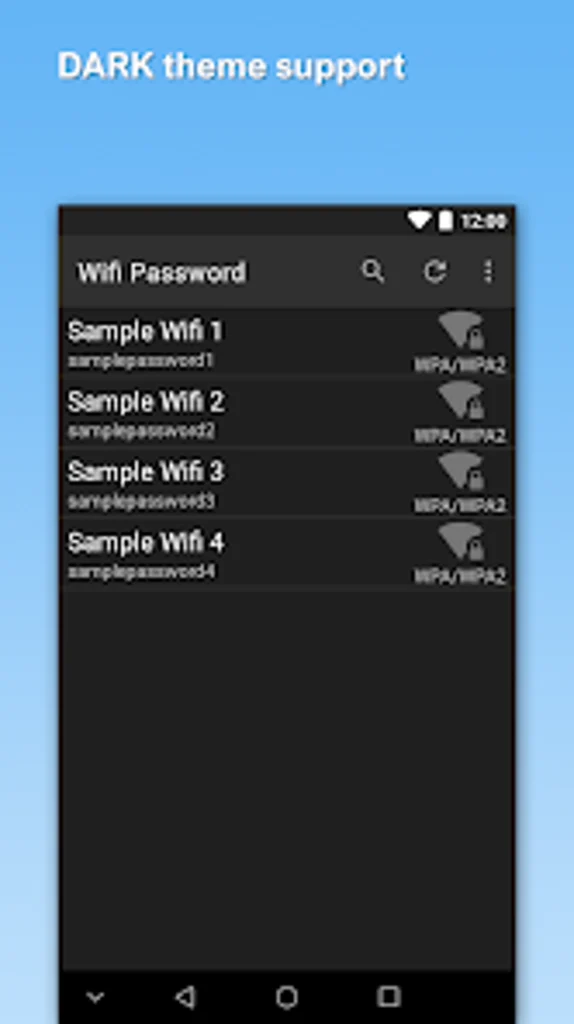
If the tool is a script (like a .py or .sh file), you may need to run it from the terminal. But most popular tools come with an executable or a simple installer.
Step 3: Run the Tool (With Admin Rights)
Extract the downloaded archive. On Windows, right-click WirelessKeyView.zip and choose “Extract All”. Double-click the .exe file — you’ll get a User Account Control prompt asking for permission. Click Yes. On macOS, open the .dmg, drag the app to Applications, then right-click and select “Open” to bypass Gatekeeper if needed. On Linux, you might need to run the script with sudo.
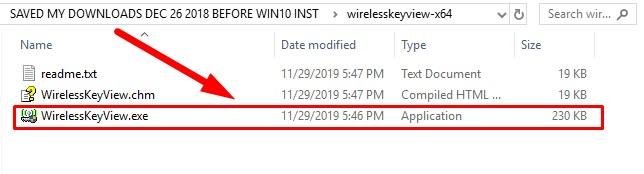
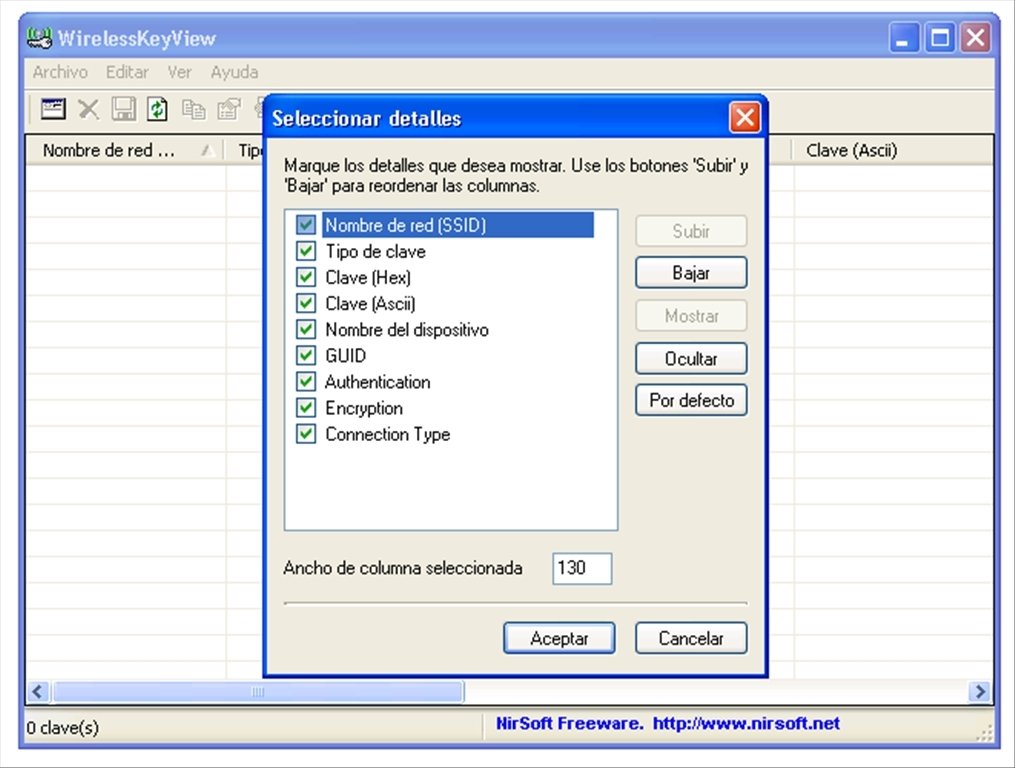
The tool will immediately scan your system for stored network profiles and display them in a table. Each row shows the network name (SSID) and the password in plaintext. No extra steps required.
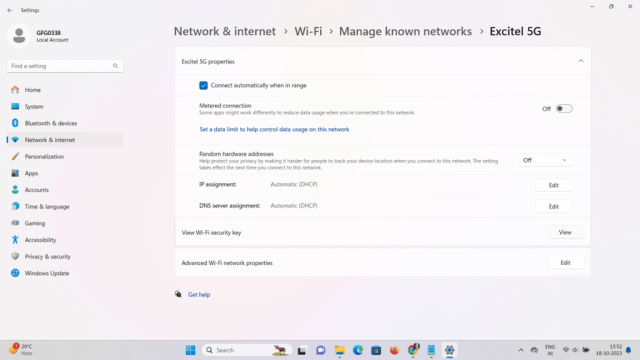
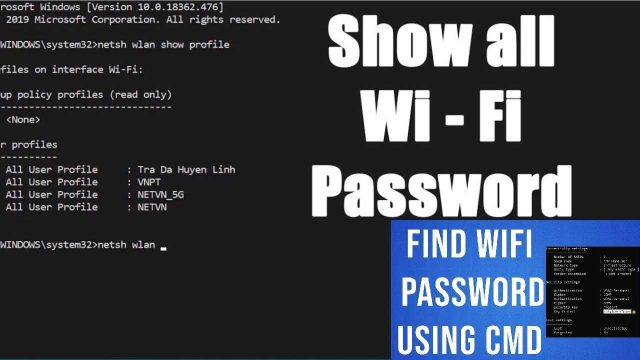
If you prefer a command-line approach, check out our tutorial on show wifi password powershell — it works great on Windows without downloading anything.
Step 4: Extract the Passwords
Find the network you need in the list. The password column (often labeled “Key (Ascii)” or “Password”) shows the WiFi password. You can double-click a row to see details or right-click to copy the password to your clipboard. For macOS tools, you may need to click a “Reveal” button. On Linux, `nmcli` output shows the passwords directly if you run it correctly.
Write it down or save it securely — you now have the password.
Step 5: Save or Export Your Passwords
Most GitHub tools allow you to export the entire list as a .txt, .csv, or .html file. On WirelessKeyView, go to File > Save Selected Items or press Ctrl+S. Choose a location and save. This is handy if you’re managing multiple networks or want a backup. For Linux, you can redirect output to a file using `>`.
If you need to share the password with others, you can email the exported file (though password-sharing is at your own risk). Our guide on export wifi passwords automatically covers methods for automating this process.
Common Pitfalls
- Antivirus false positives: Some antivirus programs flag WiFi password recovery tools as potentially unwanted programs (PUPs). This is because they access sensitive data. If your AV blocks the download or quarantines the .exe, you may need to whitelist it temporarily. Always download from the official GitHub repository to minimize risks.
- Missing admin rights: The tool won’t show any passwords if you run it without administrator (Windows) or root (macOS/Linux) privileges. On Windows, right-click and select “Run as administrator”. On macOS, you may be prompted to enter your password. On Linux, prefix commands with sudo.
- Tool not compatible with your OS version: Some older tools may not work on Windows 11 or macOS Ventura. Check the GitHub readme for supported versions. If the tool is abandoned, look for a fork that’s actively maintained.
If you run into trouble, our wifi password recovery troubleshooting guide has more detailed fixes.
Where to Next
Recovering WiFi passwords via GitHub software is fast and free, but there are other methods worth knowing. If you want a no-download approach, try our wifi password recovery using network settings. For a deeper dive into command-line techniques, check out the wifi password recovery command without admin guide. And if you’re helping a friend who uses a different OS, our saved wifi password recovery windows article covers Windows specifically. Keep exploring — you’ll never be locked out of your own network again.