Ever been locked out of your own WiFi because you forgot the password? It happens to the best of us. Whether you’re setting up a new device or a friend asks for the key, a **WiFi password recovery app** can save the day. This guide is for anyone who’s ever stared at a forgotten network — no tech wizardry required. By the end, you’ll know exactly how to dig up any saved WiFi password on Android, Windows, or macOS using free apps and built-in tools.
But wait — is this legal? Yes, as long as you’re recovering passwords for networks you own or have permission to access. These apps simply show you passwords your device already knows. We’ll cover the safest methods so you never risk your privacy. Ready to never be caught without a WiFi password again? Let’s dive in.
What You’ll Need
- A device that has connected to the WiFi network before (phone, laptop, or tablet)
- Internet access (only to download the recovery app if needed; many methods work offline)
- For Android: a rooted device or a file explorer app (though many apps work without root)
- For Windows: administrator access (you probably already have it)
- For macOS: a few clicks in Keychain Access
Step 1: Pick the Right WiFi Password Recovery App
Not all apps are created equal. Look for a **WiFi password recovery software safe** option that doesn’t ask for sketchy permissions. On Android, popular choices include WiFi Key Recovery (needs root) or WiFi Pass (no root but shows QR codes). On Windows, you can use WirelessKeyView or the built-in netsh command. On macOS, the Keychain Access app is already there. Avoid apps with ads that claim to ‘hack’ WiFi — those are scams.

Step 2: Recover WiFi Password on Android
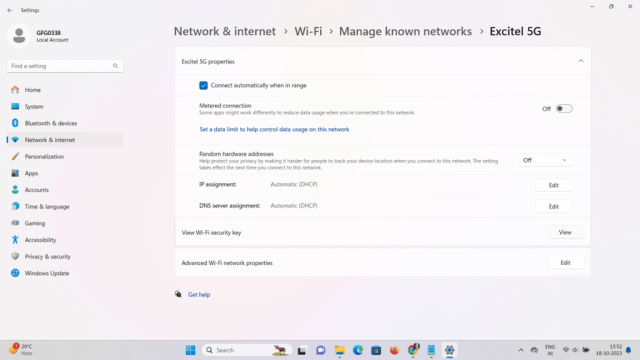
On Android, the easiest way is to use a WiFi password recovery app. If your phone is rooted, apps like WiFi Key Recovery can extract the key from system files. No root? Try ‘WiFi QR Code Scanner’ – it doesn’t show the password directly but generates a QR code you can scan with another device. Newer Android versions (10+) let you view saved passwords in Settings > Network & Internet > WiFi > tap the network > Share -> QR code. The password is below the QR. Cool, right?

Step 3: Recover WiFi Password on Windows
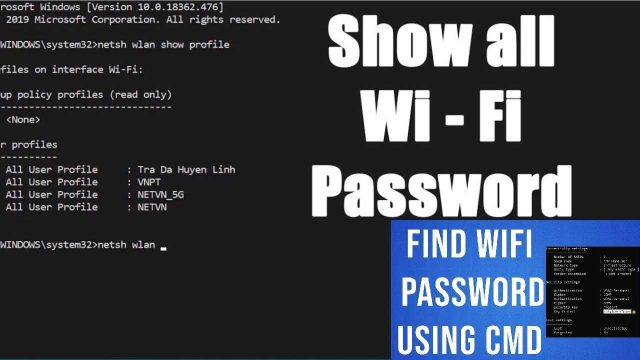
Windows stores all saved WiFi passwords. To pull them out, open Command Prompt as admin and type: `netsh wlan show profile name=”YourNetwork” key=clear`. Look for ‘Key Content’. Want all networks at once? Use: `netsh wlan export profile folder=C: key=clear` – this exports XML files with passwords in plain text. No extra software needed! For a GUI tool, download WirelessKeyView – it’s portable and shows every saved key. This is the simplest **wifi password recovery without resetting router** method.

Step 4: Recover WiFi Password on macOS
On a Mac, open Keychain Access (search in Spotlight). In the top-left, click ‘System’ under Keychains, then ‘Passwords’ under Category. Find your WiFi network name, double-click it, and check ‘Show Password’. You’ll need your Mac admin password. That’s it! If you want a scripted approach, use the terminal command: `security find-generic-password -wa “YourNetwork”`. This is the easiest way to **find saved wifi password mac** users will love.

Step 5: Use a Router Login (Last Resort)
If you can’t access the device that saved the password, log into your router’s admin panel. Open a browser, type the router’s IP (often 192.168.1.1 or 192.168.0.1), log in with admin credentials (check sticker on router if unknown). Look for ‘Wireless’ or ‘WiFi’ settings – the password is usually shown as ‘Pre-Shared Key’. This method requires physical access to the router but works every time. It’s a solid **show wifi password settings** trick.

Common Pitfalls
- **App asks for root and you don’t have it**: Many Android apps claim to work without root but actually need it. Stick to built-in methods (QR code share) or use a non-root app that reads from the password store (like WiFi Pass).
- **Command line errors**: On Windows, if you get ‘Profile is not found’, double-check the network name – it’s case-sensitive. Use `netsh wlan show profiles` to list exact names.
- **Forgot router admin password**: You can reset the router to factory defaults by holding the reset button for 10 seconds. That wipes settings, so only do this as a last resort.
Where to Next?
Now that you’ve recovered your password, keep it safe. Consider using a password manager to store network keys. If you switch devices often, check out our guide on WiFi password recovery migration to move saved networks. Or if you’re feeling technical, learn how to write a script to automate recovery. Whatever you do, you’ll never be locked out again.