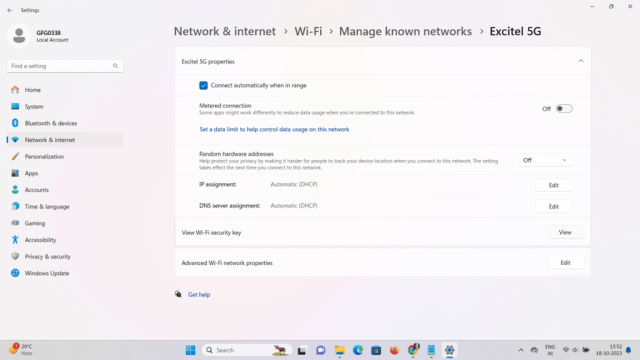
Ever been stuck staring at a blank password field, desperately trying to remember the WiFi key your roommate set two years ago? If your Windows computer has ever connected to that network before, you’re in luck. The password is still stored inside the Windows Registry, waiting for you to dig it out. No special software or hacking skills required—just a few clicks and a command prompt. By the end of this guide, you’ll have your forgotten password copied to your clipboard, ready to share with any device.
This method works on Windows 10 and Windows 11, and it’s especially handy when you need to connect a new device but can’t find the sticker on the router. We’ll use the Registry to find your network’s profile name, then run a single netsh command to reveal the password in plain text. If you prefer a more automated approach, check out the PowerShell method or the simplest WiFi recovery method — both are great alternatives. But if you want to see what’s really going on under the hood, stick with the registry route.
What You’ll Need
- A Windows PC or laptop (Windows 10 or 11) that has previously connected to the WiFi network you want to recover.
- Administrator access to that computer (you’ll need to run Registry Editor and Command Prompt as admin).
- A few minutes of patience — you won’t break anything if you follow the steps carefully.
Step 1: Open Registry Editor
Press Win + R on your keyboard, type regedit, and hit Enter. Windows will ask if you want to allow this app to make changes — click Yes. If you’ve never opened Registry Editor before, don’t be intimidated. It’s just a big list of settings for your computer. We’ll only look at one tiny corner of it.

Step 2: Navigate to the Network Profiles Key
In Registry Editor, paste the following path into the address bar and press Enter:
HKEY_LOCAL_MACHINESOFTWAREMicrosoftWindows NTCurrentVersionNetworkListProfiles
You’ll see a list of folders with long, seemingly random names. Each folder is a different network profile your computer has connected to. We’ll find the one that matters to you.

Step 3: Identify Your Network’s Profile
Click each folder and look for the ProfileName value on the right side. Double-click it to see the name of the network. Keep clicking folders until you find the one that matches your WiFi network name (SSID). Write that folder’s name down or keep it selected — we’ll need it later. If you have many networks, you can also check the Description value, which sometimes includes the router’s brand.

Step 4: Open Command Prompt as Administrator
Now close Registry Editor and press Win + X, then select Windows Terminal (Admin) or Command Prompt (Admin). If you see a User Account Control prompt, click Yes. This is required because the netsh command needs admin privileges to display passwords.

Step 5: Run the Netsh Command to Reveal the Password
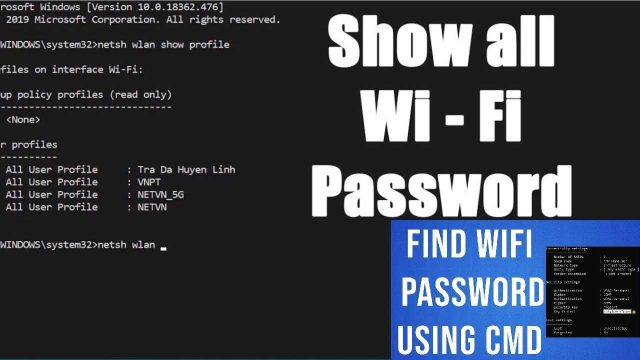
Type the following command, replacing NetworkName with the actual network name you found in Step 3 (including any spaces):
netsh wlan show profile name="NetworkName" key=clear
Press Enter. Scroll down in the output until you see Key Content. That’s your WiFi password, in plain text! Write it down or type it into your other devices. If the command gives an error, double-check that you typed the network name exactly as it appears in the registry — case and spaces matter.

Common Pitfalls
- Running as standard user: If you skip the admin prompt, netsh will output the profile info but the password field will show “Not present” or nothing at all. Always launch Command Prompt as Administrator.
- Typing the network name incorrectly: The profile name in the registry is exactly what your PC saved — including spaces, numbers, or special characters. Use copy-paste if possible, or compare character by character.
- No saved profiles at all: If the Profiles folder is empty or you don’t see your network, that means your PC never successfully connected to it. In that case, you’ll need to use another method — like router recovery or backup to USB from a device that does have the password.
Where to Next
Now that you’ve recovered your password, consider making life easier next time. You can backup to USB all your saved WiFi profiles so you never have to dig through the registry again. If you’re on a different platform, check out how to find on Mac or use the simplest WiFi recovery method for a no-frills approach. And if you ever need to recover a network without reinstalling Windows, the same netsh trick works on any edition. Happy surfing!