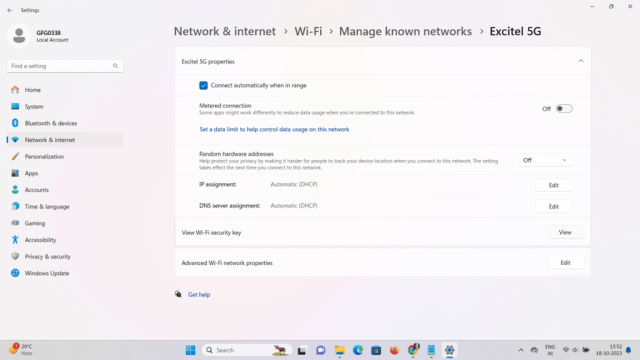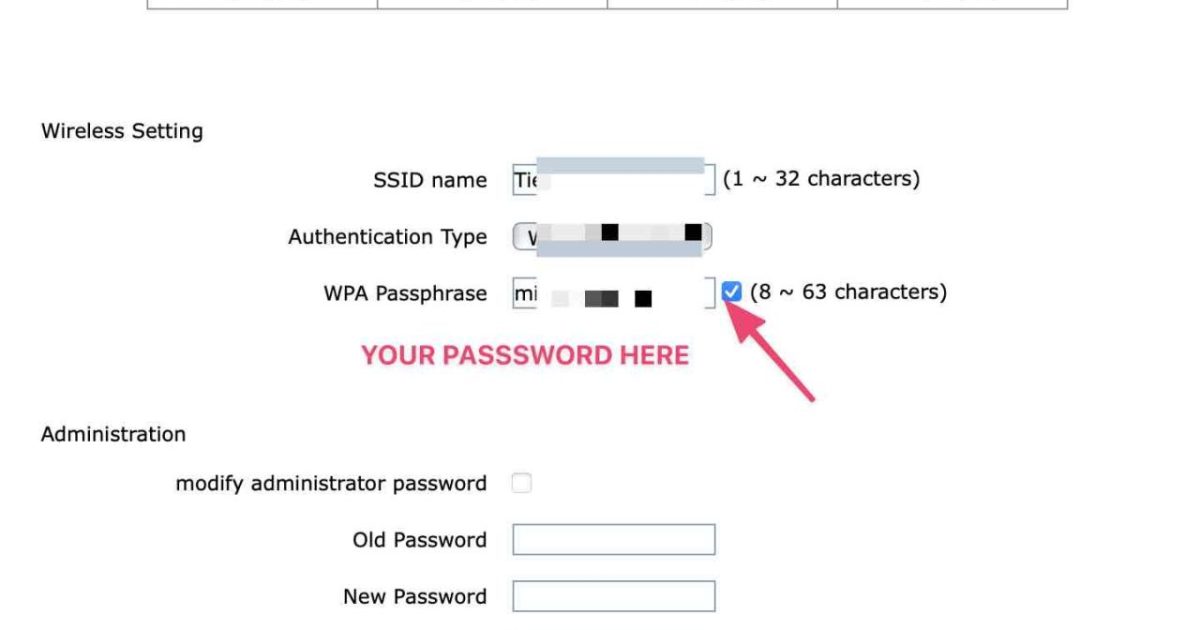
Ever forgotten your WiFi password and had no way to get it back? If you’re still connected on at least one device, you can actually recover that password using nothing but the MAC address. This guide is for anyone who’s locked out of their router’s admin panel but still has a device that’s connected. By the end, you’ll have your WiFi password in plain text without resetting the router.
We’ll walk through finding your device’s MAC address, using it to locate the stored password on your computer or router, and copying it down. It works on Windows, macOS, and Linux. No extra software needed – just a few command-line tricks. Let’s dive in.
What You’ll Need
- A device that’s currently connected to the WiFi network (laptop, desktop, or phone).
- Administrator or root access on that device (for command-line tools).
- Access to your router’s web interface (optional but helpful).
- Basic familiarity with opening a terminal or command prompt.
Step 1: Find Your Device’s MAC Address
First, we need the MAC address of the network interface that’s connected to WiFi. This is a unique hardware identifier assigned to your network adapter. On Windows, open Command Prompt and type ipconfig /all. Look for the section titled “Wireless LAN adapter Wi-Fi” – your MAC address is listed as “Physical Address.”
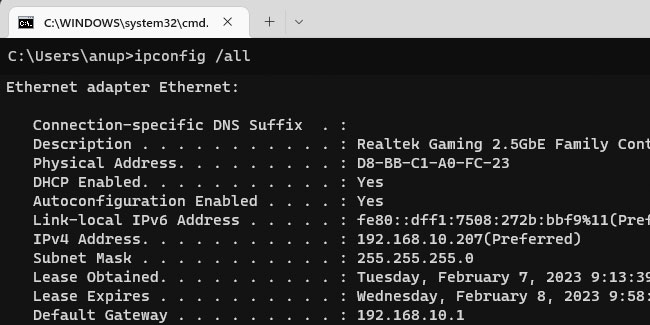
On macOS, open Terminal and run ifconfig en0 | grep ether (replace en0 with your WiFi interface if needed). The line starting with “ether” shows your MAC. On Linux, use ip link show or ifconfig and look for the HWaddr or link/ether field.
Step 2: Use the MAC Address to View the WiFi Password (Windows)
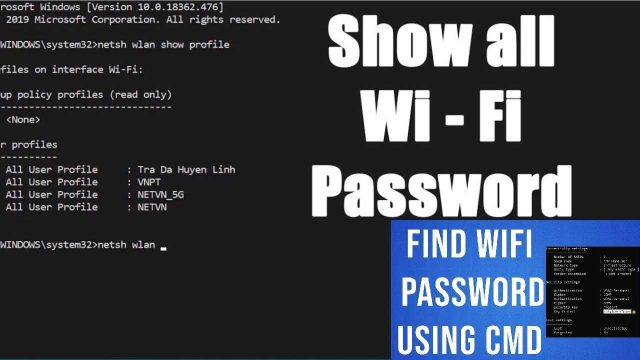
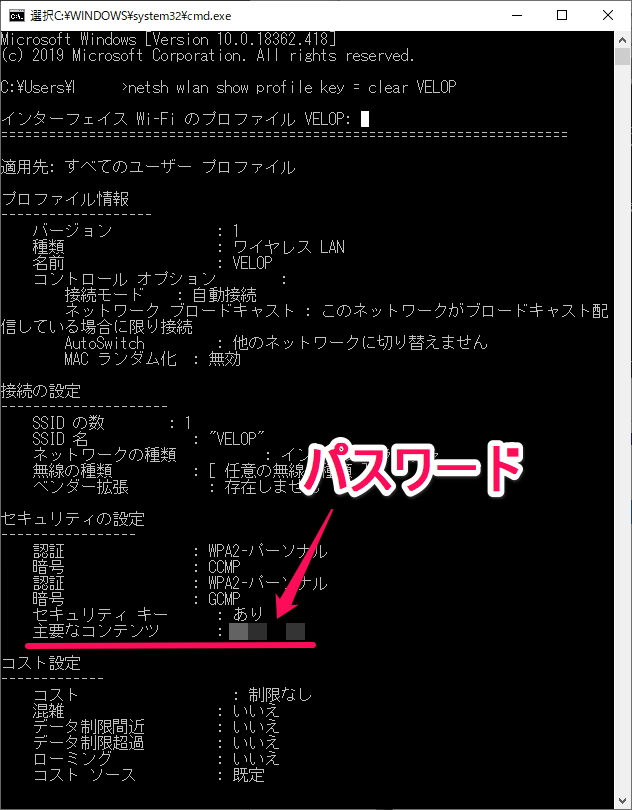
Now that you have your MAC address, you can use it to find the saved password. On Windows, the password is stored in the wireless profile. Open Command Prompt as Administrator and run netsh wlan show profiles to list all saved networks. Find your network’s SSID, then run netsh wlan show profile name="YourSSID" key=clear. Look for the “Key Content” field – that’s your password. For a command-line approach, check our saved wifi password recovery command line guide.
Step 3: Access Router Admin Using MAC Address
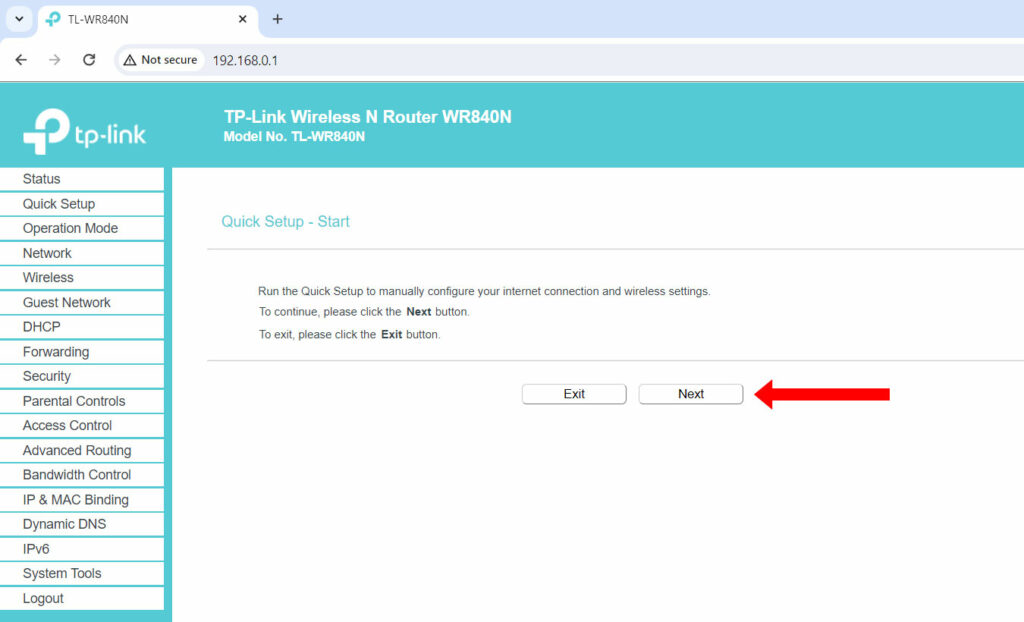
If you can’t retrieve the password from your device, another method is to log into your router’s admin interface. Many routers allow you to see the WiFi password under Wireless settings. To do this, you need the router’s IP (usually 192.168.1.1 or 192.168.0.1). If you don’t know the login credentials, you can often use the MAC address to bypass – some routers have a feature to allow admin access from a whitelisted MAC. Add your device’s MAC to the list via the router’s physical reset button or default credentials. For more on this, see show wifi password settings.
Step 4: Recover Password on macOS Using Keychain
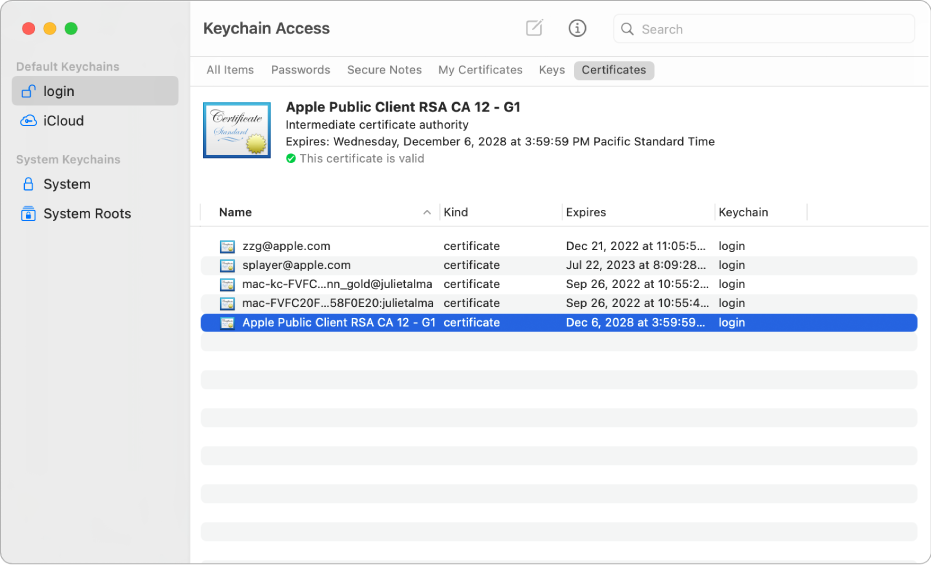
On macOS, saved passwords are stored in the Keychain. Open Keychain Access from Applications > Utilities. Search for your WiFi network name (SSID). Double-click the entry and check the box “Show password”. You’ll need your Mac’s admin password. The password will be displayed. If you prefer the terminal, our guide on wifi password recovery via terminal shows the security find-generic-password command.
Step 5: Recover Password on Linux Using nmcli
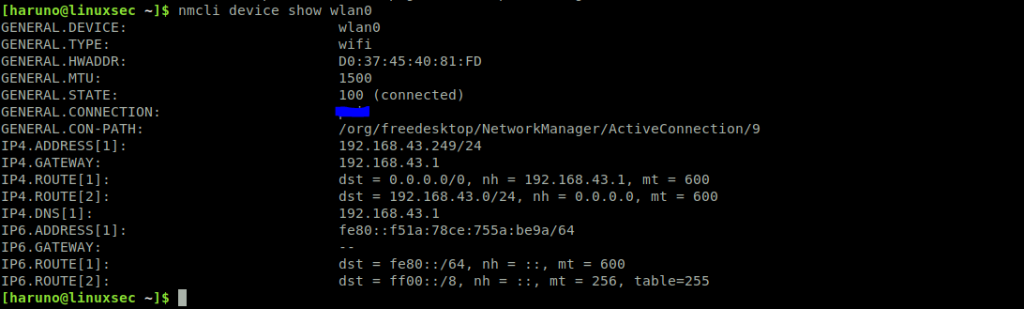
On Linux distributions using NetworkManager, you can retrieve the password with nmcli. Open a terminal and run nmcli -s connection show "YourSSID" | grep 802-11-wireless-security.psk. This prints the pre-shared key. Alternatively, you can view stored passwords in /etc/NetworkManager/system-connections/ as root. For more details, see recover wifi password on laptop.
Common Pitfalls
- Wrong MAC address: Make sure you’re using the MAC of the interface that’s actually connected to WiFi (not Ethernet or virtual adapters). Triple-check with
ipconfig /allorifconfig. - No admin privileges: Most command-line methods require administrator or root access. If you’re on a work or school device, you might not have permission. Consider alternative methods like wifi password recovery after software update.
- Router login changed: If you don’t have the router admin password, the MAC trick only works if MAC filtering is enabled and your MAC is whitelisted. Otherwise, you might need to reset the router (which loses all settings).
Where to Next
Now that you have your password, write it down or store it in a password manager. If you ever lose access again, you can repeat these steps. For moving the password to a new device, check out our restore wifi passwords windows guide. And if you’re curious about other recovery methods, browse our saved wifi password recovery command line and wifi password recovery after software update articles.